In the world of fancy pigeons, value isn't just about rarity or color—it's deeply rooted in morphology, the physical structure that defines breed standards and aesthetic appeal. For enthusiasts and breeders, understanding how to enhance shoulder genetics and frontal features can transform an average bird into a prized specimen, significantly boosting its market worth and competitive edge. This article delves into the science and art of pigeon morphology improvement, offering actionable insights to help you master these critical aspects and elevate your flock's quality.
The Foundation of Pigeon Value: Understanding Morphology
Pigeon morphology refers to the physical characteristics that distinguish breeds, including body shape, size, posture, and specific features like the shoulders and forehead. In competitive circles and high-value markets, a pigeon's morphology is often the primary determinant of its worth, as it reflects adherence to breed standards and genetic purity. By focusing on shoulder genetics and frontal traits, breeders can systematically improve their birds, leading to enhanced beauty, functionality, and desirability. This section explores why morphology matters and how it ties into overall pigeon value, setting the stage for deeper dives into specific improvements.
Why Shoulder and Frontal Traits Are Critical
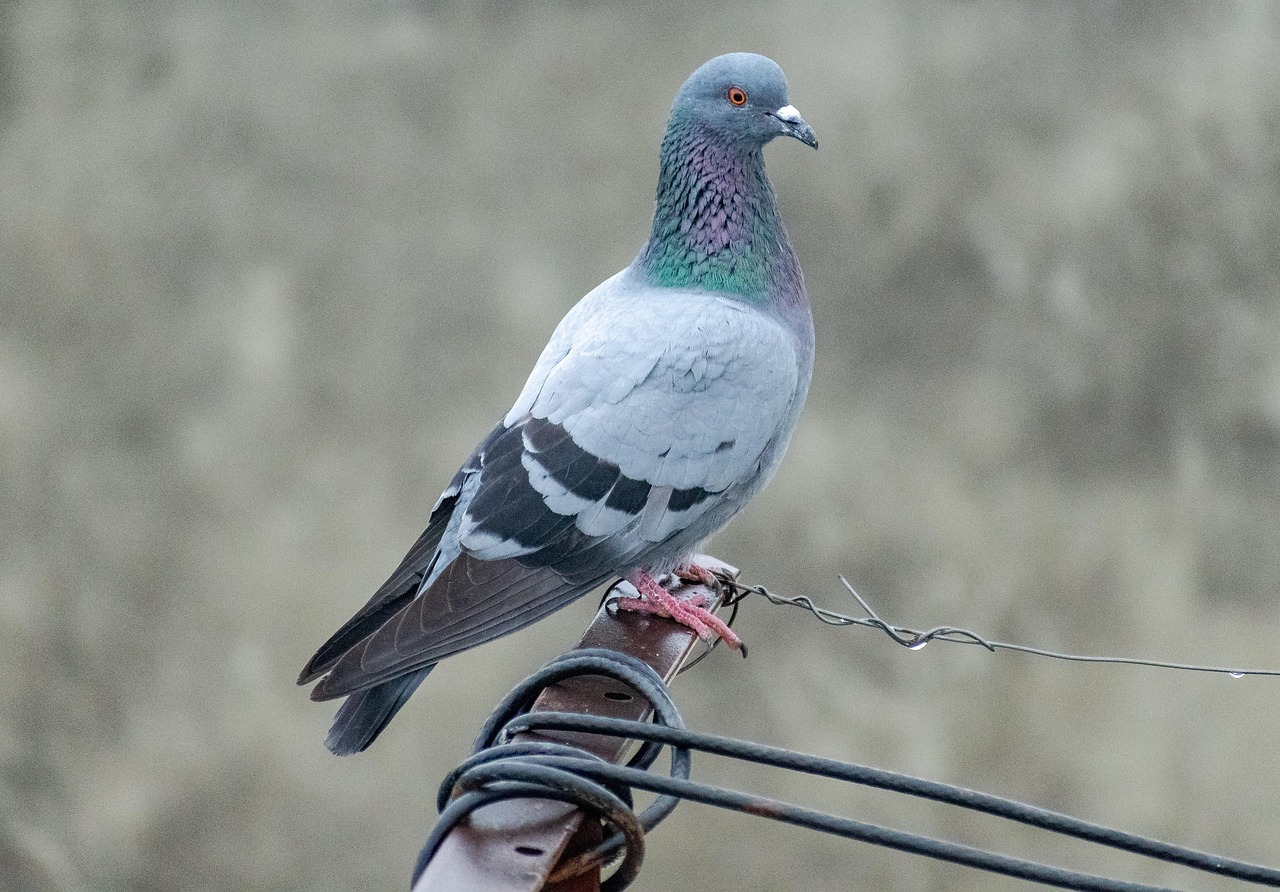
Shoulder genetics play a pivotal role in a pigeon's overall structure, influencing its posture, wing placement, and movement. Well-developed shoulders contribute to a balanced and elegant appearance, which is highly prized in shows and sales. Similarly, the frontal area, including the forehead and beak, defines the bird's expression and breed identity, affecting its perceived quality and charm. Neglecting these aspects can lead to mismatched or weak specimens that fail to meet standards, reducing their value. By prioritizing shoulder genetics and frontal refinement, breeders can create pigeons that not only look superior but also perform better in competitions, thereby doubling their investment potential.
In practical terms, improving shoulder and frontal traits involves selective breeding based on observable characteristics and genetic knowledge. For instance, pigeons with broad, well-angled shoulders often exhibit better flight capabilities and a more imposing stance, making them more attractive to buyers. The forehead should be smooth and proportionate, complementing the head shape without appearing too flat or protruding. Understanding these nuances allows breeders to make informed decisions, avoiding common pitfalls like overemphasis on color at the expense of structure. As we move forward, we'll break down specific strategies to enhance these features, ensuring your efforts yield tangible results.
Assessing Your Current Flock's Morphology
Before implementing changes, it's essential to evaluate your existing pigeons to identify strengths and weaknesses in shoulder and frontal traits. Start by observing each bird's posture: a pigeon with ideal shoulder genetics will stand upright with wings neatly tucked, showing no signs of drooping or imbalance. Measure key aspects such as shoulder width, angle relative to the body, and symmetry between both sides. For the frontal area, examine the forehead's curvature, beak alignment, and overall head shape, comparing them to breed-specific standards. This assessment provides a baseline, helping you pinpoint which birds to breed for improvement and which might need culling or crossbreeding.
Use tools like calipers for precise measurements and photography for visual records, tracking changes over generations. Engage with experienced breeders or join online forums to get feedback on your flock's morphology, as external perspectives can reveal overlooked issues. Remember, morphology improvement is a gradual process; rushing can lead to genetic bottlenecks or undesirable traits. By methodically assessing your pigeons, you set a solid foundation for targeted breeding programs that enhance shoulder genetics and frontal features, ultimately increasing value. In the next sections, we'll explore genetic principles and practical techniques to guide your efforts.
Mastering Shoulder Genetics for Superior Pigeons
Shoulder genetics are a cornerstone of pigeon morphology improvement, directly impacting a bird's aesthetic appeal and functional abilities. In breeding, shoulders determine how well a pigeon carries itself, affecting everything from show ring performance to flight efficiency. By understanding the genetic factors behind shoulder development, breeders can selectively pair birds to produce offspring with enhanced traits, leading to a more valuable flock. This section covers the basics of shoulder genetics, common traits to target, and breeding strategies to optimize results, empowering you to make data-driven decisions.
Key Genetic Markers for Shoulder Development
Genetic markers for shoulder traits in pigeons are often polygenic, meaning they involve multiple genes interacting to influence characteristics like width, angle, and muscle attachment. While specific genes aren't always mapped in detail, observable heritable patterns allow breeders to predict outcomes. For example, pigeons with parents exhibiting broad shoulders and strong wing muscles are more likely to inherit these traits, though environmental factors like nutrition also play a role. Focus on breeding birds that consistently produce offspring with desirable shoulder morphology, using pedigree records to track lineage and identify dominant genes. This approach minimizes guesswork and accelerates improvement over generations.
In practice, look for pigeons with shoulders that are neither too narrow nor overly broad, as extremes can compromise balance or health. Ideal shoulders should form a smooth curve from the neck to the wings, allowing for effortless movement and a proud stance. Genetic testing, though less common in pigeon breeding, can supplement visual assessments by revealing hidden traits or potential health issues. By combining traditional observation with modern insights, you can refine your breeding program to emphasize shoulder genetics, leading to pigeons that stand out in any setting. As we proceed, we'll discuss how to integrate these markers into your selection process for maximum impact.
Breeding Techniques to Enhance Shoulder Traits
Effective breeding techniques are essential for translating genetic potential into tangible shoulder improvements. Start with line breeding, which involves mating closely related pigeons with strong shoulder traits to consolidate desirable genes while maintaining genetic diversity. This method reduces the risk of introducing weak characteristics and helps establish a consistent morphology across your flock. Alternatively, outcrossing with unrelated birds that excel in shoulder genetics can introduce new strengths, but it requires careful monitoring to avoid diluting existing qualities. Balance these approaches based on your flock's needs, always prioritizing health and vitality alongside morphological goals.
Implement a rigorous selection process, culling birds that fail to meet shoulder standards or show signs of genetic defects. Use the following checklist to guide your breeding decisions:
- Shoulder width proportional to body size
- Smooth, angled transition from neck to wings
- Symmetry between left and right shoulders
- No signs of wing droop or imbalance
- Strong muscle attachment for optimal flight
Pair birds during peak health, ensuring they receive optimal nutrition and care to support offspring development. Document each breeding pair's outcomes, adjusting strategies as needed to refine shoulder genetics over time. By mastering these techniques, you'll create pigeons with impeccable shoulder structure, boosting their value and appeal in competitive markets.
Optimizing Frontal Features for Enhanced Aesthetics
Frontal features, including the forehead, beak, and overall head shape, are crucial for defining a pigeon's breed identity and visual impact. In morphology improvement, refining these areas can dramatically enhance a bird's elegance and conformity to standards, making it more desirable to collectors and judges. This section explores the anatomical aspects of frontal traits, common challenges in breeding, and practical methods to achieve optimal results. By focusing on the frontal region, you complement shoulder genetics to create a well-rounded, high-value pigeon.
Anatomy of Ideal Frontal Morphology
The ideal frontal morphology varies by breed but generally includes a smooth, slightly rounded forehead that flows seamlessly into the beak without abrupt angles. The beak should be straight, proportionate to the head, and aligned with the eyes, contributing to a balanced and expressive face. In breeds like Tumblers or Homers, specific frontal traits are emphasized in standards, such as a prominent forehead or refined beak shape. Understanding these anatomical details helps breeders target improvements accurately, avoiding generic approaches that might not suit their pigeon type. Study breed guidelines and consult experts to ensure your efforts align with accepted norms.
Common issues in frontal morphology include a flat forehead, which can make a pigeon appear dull or less distinctive, or a beak that's too long or crooked, detracting from overall symmetry. These traits often have genetic roots, so selective breeding is key to correction. For instance, pairing birds with strong frontal features can reinforce desirable genes in offspring, while avoiding matings that highlight weaknesses. Use visual aids like diagrams or photos to train your eye, making it easier to spot subtle variations. By mastering frontal anatomy, you'll be better equipped to enhance these features, elevating your pigeons' aesthetic value and competitive potential.
Practical Strategies for Frontal Refinement
To refine frontal features, adopt a hands-on approach that combines breeding with environmental management. Begin by selecting breeding pairs based on frontal traits, prioritizing birds with smooth foreheads, well-aligned beaks, and overall head proportionality. Introduce new bloodlines cautiously if your flock lacks diversity, but always test for compatibility to maintain breed integrity. During the rearing phase, provide chicks with adequate nutrition, as deficiencies can affect skull and beak development, leading to permanent morphological flaws. Supplement diets with calcium and vitamins to support bone health, ensuring frontal structures form correctly.
Monitor young pigeons as they grow, intervening early if you notice deviations from desired frontal morphology. Gentle handling and regular inspections can help identify issues like beak misalignment, which might require corrective measures or culling. Incorporate the following practices into your routine:
- Regular health checks focusing on head and beak development
- Breeding records to track frontal trait inheritance
- Environmental enrichment to promote natural posture and growth
- Collaboration with other breeders for genetic diversity
By implementing these strategies, you'll steadily improve frontal features, creating pigeons that not only meet but exceed breed standards. This attention to detail pays off in increased value and recognition, setting your flock apart in the fancy pigeon community.
Integrating Shoulder and Frontal Improvements for Maximum Value
Successfully doubling your fancy pigeon's value requires a holistic approach that integrates shoulder genetics and frontal refinement into a cohesive breeding program. Isolating these aspects can lead to imbalanced birds, whereas combining them ensures overall morphology excellence. This section discusses how to synchronize improvements, avoid common pitfalls, and measure progress, providing a roadmap for sustained enhancement. By treating shoulder and frontal traits as interconnected elements, you'll produce pigeons that are not only beautiful but also genetically robust, commanding higher prices and respect.
Creating a Balanced Breeding Program
A balanced breeding program prioritizes both shoulder genetics and frontal features without sacrificing one for the other. Start by setting clear goals: define what ideal morphology looks like for your breed, including specific metrics for shoulder width and frontal proportions. Use these goals to guide pair selection, choosing birds that excel in both areas or complement each other's weaknesses. For example, if one pigeon has strong shoulders but a less-than-ideal forehead, pair it with a bird that excels in frontal traits to balance the offspring's morphology. This strategic pairing minimizes trade-offs and promotes overall improvement.
Implement a multi-generational plan, tracking outcomes through detailed records that note shoulder and frontal developments in each breeding cycle. Adjust your program based on results, perhaps introducing new bloodlines if progress stalls or focusing on line breeding to solidify gains. Avoid overbreeding, which can lead to genetic fatigue or health issues; instead, maintain a manageable flock size to ensure each bird receives adequate attention. By fostering a balanced approach, you'll create pigeons that embody the best of both shoulder and frontal genetics, enhancing their value and appeal in every aspect.
Measuring Success and Avoiding Common Mistakes
Measuring success in pigeon morphology improvement involves both qualitative and quantitative assessments. Qualitatively, observe how your pigeons perform in shows or how buyers respond to their appearance—increased interest and higher offers indicate value growth. Quantitatively, track metrics like shoulder width measurements, frontal symmetry scores, and breeding success rates over time. Use tools like spreadsheets or specialized software to log data, making it easier to identify trends and adjust strategies. Celebrate milestones, such as producing a pigeon with near-perfect morphology, but remain vigilant to avoid complacency.
Common mistakes in integrating shoulder and frontal improvements include neglecting health for aesthetics, which can lead to fragile birds with poor longevity, or focusing too narrowly on one trait and creating imbalances. To avoid these, prioritize overall well-being by providing a clean environment, balanced diet, and regular veterinary care. Additionally, resist the temptation to breed for extreme features that deviate from breed standards, as this can reduce marketability. Learn from setbacks by analyzing failed breedings and seeking advice from experienced enthusiasts. By measuring progress thoughtfully and steering clear of pitfalls, you'll build a reputation for producing high-value pigeons that excel in both shoulder genetics and frontal morphology.
Conclusion
Doubling the value of your fancy pigeons through shoulder genetics and frontal refinement is a rewarding journey that blends science, art, and dedication. By understanding the critical role of morphology, mastering genetic principles, and implementing practical breeding techniques, you can transform your flock into a collection of prized specimens. Remember, improvement takes time and patience, but the results—enhanced beauty, competitive success, and increased market worth—are well worth the effort. As you continue to refine your approach, consider leveraging tools like Ghawy – Pigeon Manager (غاوي – إدارة الحمام) to streamline your breeding records and track progress efficiently, ensuring every step contributes to your pigeons' rising value.