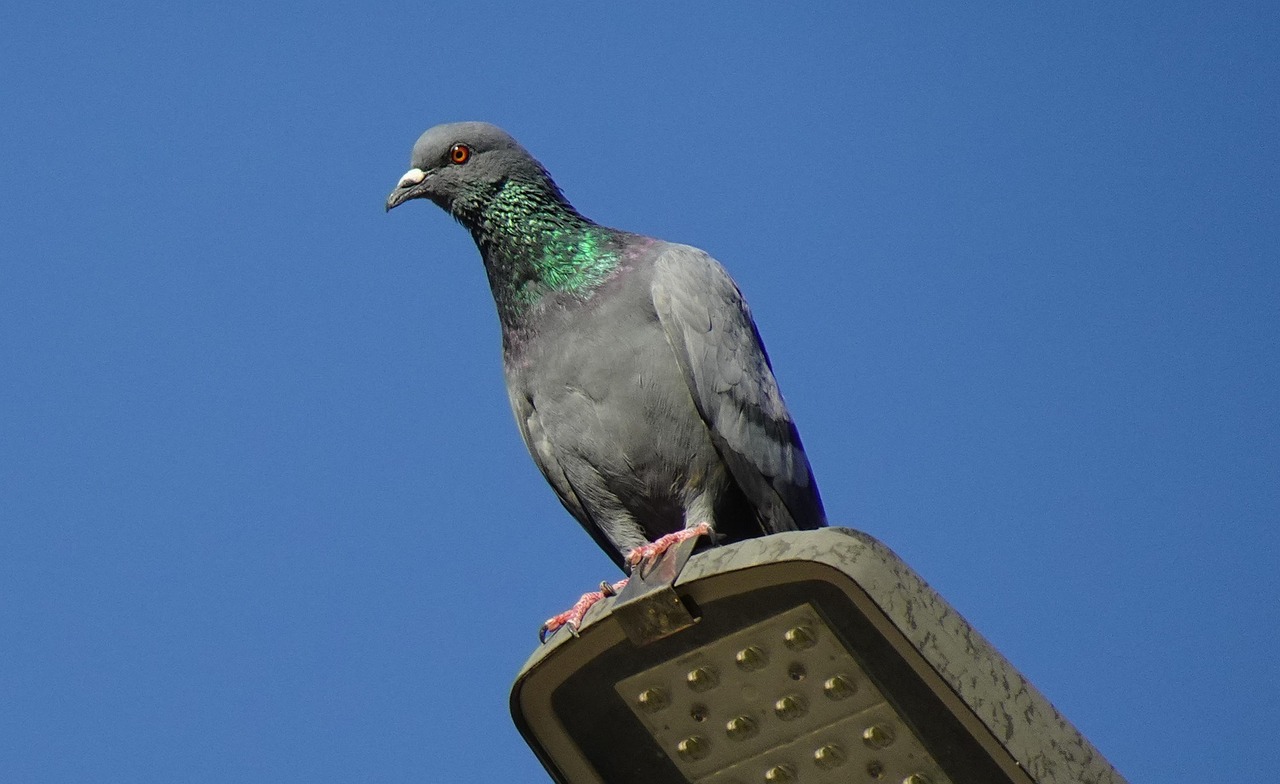
As the new racing season approaches, pigeon enthusiasts face the critical challenge of preparing their birds for the demanding 100-kilometer races. This comprehensive training grid provides a systematic approach to distance training pigeons, ensuring optimal race preparation through structured progression and expert insights. By following this detailed roadmap, you can maximize your flock's performance and achieve consistent results in competitive events.
Foundations of Effective Distance Training for Pigeons
Successful distance training pigeons requires understanding the physiological and psychological needs of racing birds. The foundation begins with assessing your flock's current condition and establishing baseline metrics that will guide the entire training process. This initial phase sets the stage for all subsequent race preparation efforts.
Assessing Your Flock's Starting Point
Before implementing any training grid, conduct a thorough evaluation of each pigeon's health, age, and previous performance. Young birds require different approaches than experienced racers, and individual variations in stamina and recovery must be considered. Document each bird's weight, wing condition, and behavioral patterns to create personalized training profiles. This assessment phase typically takes 7-10 days and involves observing feeding habits, social interactions, and response to short loft flights.
Establish baseline flight times for 5-kilometer distances to gauge natural abilities. Record recovery rates after these initial flights, noting which birds show quick recuperation versus those needing extended rest periods. This data becomes invaluable when structuring the progressive training grid, allowing you to group birds with similar capabilities for optimal race preparation. Remember that successful distance training pigeons depends on recognizing individual strengths and limitations within your flock.
Nutritional Preparation for Training Demands
Proper nutrition forms the cornerstone of any effective race preparation grid. During the pre-training phase, gradually transition birds to a performance-focused diet rich in carbohydrates and proteins. Implement a feeding schedule that supports energy requirements without causing excessive weight gain. Many trainers recommend specific grain mixtures that provide sustained energy release during extended flights.
Hydration management proves equally crucial for distance training pigeons. Ensure constant access to clean water supplemented with electrolytes during training periods. Consider implementing a vitamin regimen that supports muscle development and immune function, particularly as training intensity increases. The nutritional program should evolve alongside the training grid, with adjustments made based on observed performance and recovery patterns. Proper fueling directly impacts a pigeon's ability to progress through the 100-kilometer training milestones.
Structured Training Grid Development
The race preparation grid represents a systematic approach to building endurance and navigation skills through progressive distance increases. This structured methodology prevents overtraining while ensuring consistent development toward the 100-kilometer target. The grid operates on principles of gradual progression, adequate recovery, and skill reinforcement.
Phase 1: Building Foundation Endurance (0-30km)
The initial phase focuses on establishing basic flight stamina and familiarizing birds with regular training routines. Begin with short 5-kilometer releases from consistent directions, gradually increasing to 10km, 15km, and eventually 30km over 3-4 weeks. This gradual progression allows pigeons to develop cardiovascular capacity without excessive stress. Implement a schedule of training flights every other day, with rest days dedicated to loft time and light exercise.
During this foundation phase, pay particular attention to homing instincts and navigation confidence. Release birds from varying locations within the same general direction to build directional awareness without overwhelming them. The race preparation grid at this stage emphasizes consistency over intensity, establishing reliable return patterns that will prove crucial during longer distances. Document flight times and recovery rates meticulously, as this data informs adjustments to the training progression.
Phase 2: Intermediate Distance Development (30-60km)
As birds demonstrate consistent performance at 30 kilometers, transition to the intermediate phase of distance training pigeons. This stage introduces more challenging elements including varied terrain, changing weather conditions, and increased independence during flights. Gradually extend release distances to 40km, 50km, and finally 60km over approximately 4 weeks, maintaining the every-other-day training frequency with extended recovery periods after longer flights.
The race preparation grid now incorporates strategic challenges designed to build mental resilience alongside physical endurance. Implement cross-wind releases, introduce mild weather variations, and occasionally release birds later in the day to develop adaptability. This phase represents the critical transition from basic endurance to true distance capability, requiring careful monitoring of fatigue indicators and adjustment of training intensity based on individual responses. Successful completion of this phase prepares pigeons for the demanding final training segment.
Advanced Techniques for 100-Kilometer Preparation
Reaching the 100-kilometer milestone requires specialized approaches that go beyond basic endurance building. This advanced phase focuses on navigation refinement, energy conservation strategies, and psychological conditioning for competitive racing scenarios. The training grid becomes more sophisticated, incorporating elements that simulate actual race conditions.
Navigation and Orientation Refinement
At distances beyond 60 kilometers, navigation skills become as important as physical endurance. Implement training techniques that enhance homing abilities, including staggered releases that encourage independent navigation rather than flock following. Practice releases from unfamiliar territories that require birds to establish new flight paths rather than relying on memorized routes. This aspect of distance training pigeons develops the cognitive mapping abilities essential for successful 100-kilometer races.
Incorporate specific exercises to strengthen orientation skills, such as releases from locations with similar landmarks to test discrimination abilities. The race preparation grid should include occasional "mystery releases" where birds are transported to undisclosed locations to enhance problem-solving during flight. These advanced navigation drills significantly improve a pigeon's ability to handle the unexpected challenges encountered during competitive events. Document how different birds respond to these challenges to identify natural navigational strengths within your flock.
Energy Management and Recovery Protocols
Advanced distance training pigeons requires sophisticated energy conservation strategies. Teach birds to recognize and utilize favorable air currents, implement formation flying techniques that reduce wind resistance, and develop pacing instincts that prevent early exhaustion. The training grid should include specific exercises that promote efficient flight mechanics, such as releases during optimal thermal conditions that demonstrate energy-saving opportunities.
Recovery protocols become increasingly important as training distances approach 100 kilometers. Implement post-flight routines that include immediate hydration, electrolyte replenishment, and controlled feeding to optimize recovery. The race preparation grid must balance training intensity with adequate recuperation time, particularly after milestone flights. Consider incorporating light exercise on recovery days to maintain muscle tone without adding training stress. These advanced energy management techniques separate successful competitors from those who falter in the final stages of long-distance races.
Season Integration and Race Day Strategies
The final component of the comprehensive training grid involves integrating the developed capabilities into the actual racing season. This phase focuses on timing, tapering, and strategic deployment of your trained pigeons to maximize competitive performance. The transition from training to competition requires careful planning and execution.
Tapering and Peak Performance Timing
Approximately two weeks before the target 100-kilometer race, implement a tapering protocol within your race preparation grid. Gradually reduce training distances while maintaining flight frequency to preserve conditioning without accumulating fatigue. This tapering phase allows birds to recover fully from training stresses while retaining the endurance and skills developed throughout the program. The exact tapering schedule should be individualized based on each pigeon's response to the training progression.
Peak performance timing represents a critical aspect of distance training pigeons. Coordinate your training completion with the racing calendar, ensuring birds reach their optimal condition precisely when needed. The final week before competition should include only light exercise and mental preparation, with particular attention to nutrition optimization. Implement a pre-race loading protocol that maximizes energy stores without causing digestive issues. This strategic timing ensures your pigeons deliver their best performance when it matters most during the 100-kilometer event.
Race Day Execution and Post-Race Recovery
On race day, implement protocols developed throughout your training grid to ensure optimal performance. This includes controlled feeding before transport, proper hydration management, and strategic release timing based on weather conditions. The race preparation grid should have included simulated race day scenarios during training to familiarize birds with the process and reduce stress. Trust the foundation you've built through systematic distance training pigeons rather than making last-minute adjustments.
Post-race recovery proves equally important for maintaining season-long performance. Implement immediate care protocols upon return, including hydration, nutritional replenishment, and health assessment. The race preparation grid should extend beyond the race itself to include recovery strategies that prepare birds for subsequent events. Monitor recovery rates closely, as this information informs decisions about future race participation and training adjustments. Proper post-race care ensures your investment in distance training yields returns throughout the entire racing season.
Conclusion
Implementing this comprehensive 100-kilometer training grid provides a systematic approach to preparing racing pigeons for competitive success. The structured progression from foundation building to advanced techniques ensures balanced development of endurance, navigation skills, and race readiness. By following this detailed race preparation methodology, enthusiasts can maximize their flock's potential while minimizing injury risks and performance plateaus. The integration of nutritional planning, recovery protocols, and strategic timing creates a holistic approach to distance training pigeons that delivers consistent results. For those seeking to streamline their training management and track progress with precision, consider exploring the capabilities of Ghawy – Pigeon Manager (غاوي – إدارة الحمام) as a supportive tool for implementing this comprehensive training approach.