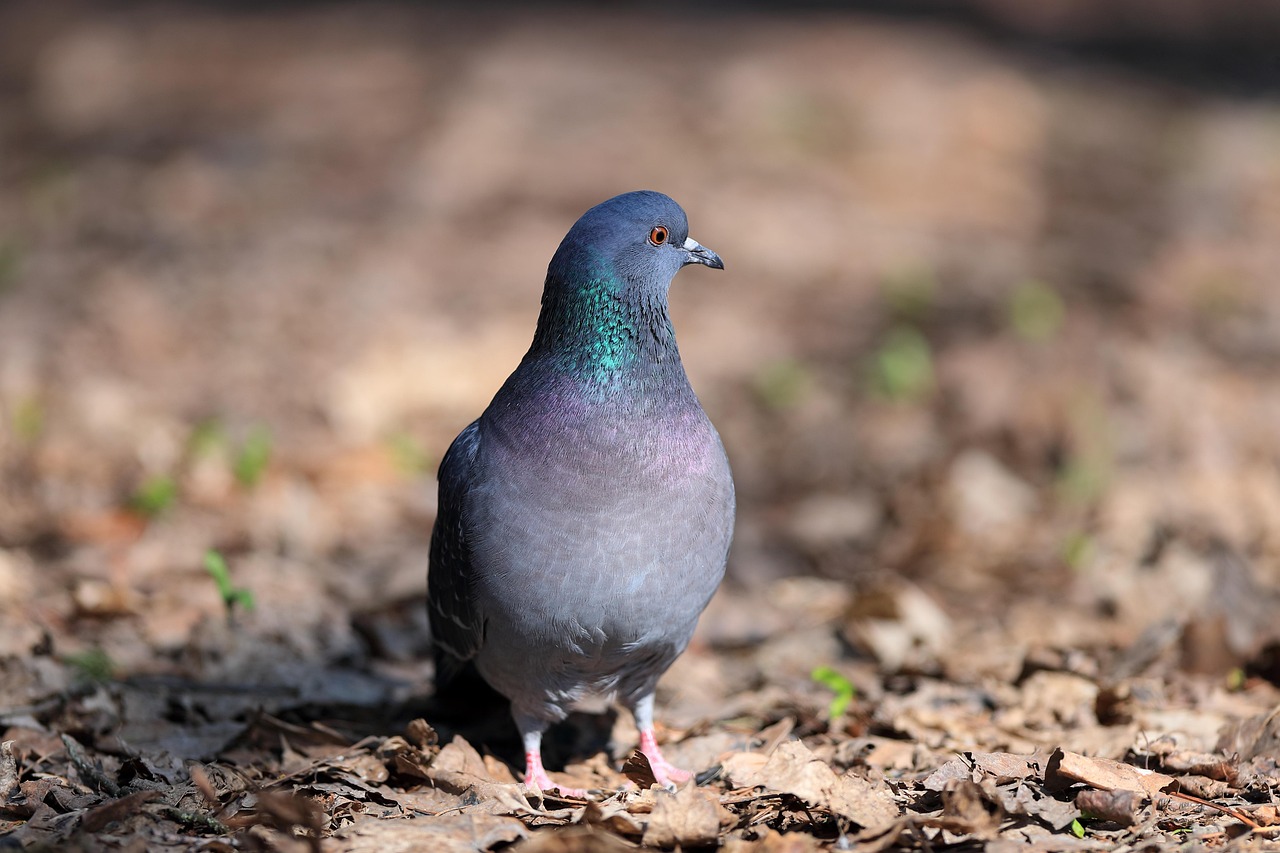
The widowhood system is a transformative training method in pigeon racing, designed to cultivate elite racing birds by leveraging their natural instincts for peak performance. This approach, when mastered, can turn ordinary pigeons into champions in long-distance competitions, offering fanciers a strategic edge in the sport. By understanding and applying its principles, you can build a team of top-tier flyers capable of excelling in demanding races.
The Fundamentals of the Widowhood System
At its core, the widowhood system is based on the psychological and physiological manipulation of pigeons to enhance their motivation and stamina. It involves separating mates during the racing season, creating a sense of longing that drives them to return home swiftly after a race. This method taps into the birds' innate behaviors, making it a powerful tool for developing elite racing birds. When implemented correctly, it can lead to consistent wins and improved flock health.
How Widowhood Pigeons Are Managed
Managing widowhood pigeons requires careful attention to their environment and routines. Typically, cocks and hens are housed separately, with controlled interactions to maintain their drive. The cocks are often allowed to see their mates briefly before a race, boosting their eagerness to return. This setup not only improves racing performance but also helps in monitoring each bird's condition, ensuring they remain in optimal shape for competitions. Regular health checks and a balanced diet are crucial to support their high-energy demands.
In practice, fanciers must establish a consistent schedule for feeding, training, and rest. Widowhood pigeons thrive on routine, as it reduces stress and enhances focus. By creating a stable environment, you can minimize distractions and maximize their racing potential. Tools like loft management software, such as Ghawy – Pigeon Manager (غاوي – إدارة الحمام), can streamline these tasks, allowing for better tracking and adjustments based on performance data.
Benefits for Elite Racing Birds
The widowhood system offers numerous advantages for developing elite racing birds. Firstly, it increases motivation, as the separation from mates creates a strong homing instinct. This leads to faster flight times and better race results. Secondly, it allows for individualized training, enabling fanciers to tailor programs to each pigeon's strengths and weaknesses. By focusing on specific needs, you can build a more resilient and competitive team.
Additionally, this method promotes better health management. With birds housed separately, it's easier to prevent the spread of diseases and monitor for any signs of illness. This proactive approach ensures that your widowhood pigeons remain in peak condition throughout the season. Over time, these benefits compound, resulting in a flock of elite racing birds that consistently perform at high levels in long-distance events.
Training Strategies for Long-Distance Races
Training widowhood pigeons for long-distance races involves a combination of physical conditioning and mental preparation. The goal is to build endurance and navigation skills that will help them excel in challenging competitions. A well-structured training plan is essential, starting with short flights and gradually increasing distance to avoid overexertion. This progressive approach helps elite racing birds adapt to the demands of the sport.
Building Endurance and Stamina
To develop endurance, incorporate regular flying sessions that mimic race conditions. Begin with daily tosses from increasing distances, allowing the birds to build muscle and cardiovascular strength. It's important to vary the training routes to enhance their navigation abilities, as this prepares them for unpredictable race scenarios. Consistency is key; maintaining a steady training schedule helps widowhood pigeons develop the stamina needed for long flights.
Nutrition plays a vital role in supporting this training. Provide a high-energy diet rich in proteins and carbohydrates to fuel their efforts. Supplements like vitamins and electrolytes can aid in recovery and overall health. By combining physical training with proper nutrition, you can ensure your elite racing birds are ready to tackle even the toughest races with confidence and speed.
Mental Conditioning Techniques
Mental conditioning is just as important as physical training for widowhood pigeons. Use techniques like positive reinforcement and controlled mate interactions to keep them motivated. Before a race, allow brief reunions with their mates to heighten their desire to return home quickly. This psychological boost can make a significant difference in performance, especially in long-distance events where focus is crucial.
Additionally, expose the birds to various environmental stimuli during training to reduce stress and improve adaptability. This might include different weather conditions or loft changes. By fostering a resilient mindset, you help your elite racing birds stay calm and focused under pressure. Over time, this mental toughness becomes a defining trait of successful widowhood pigeons, setting them apart in competitive racing.
Nutrition and Health for Peak Performance
Proper nutrition and health management are foundational to the success of widowhood pigeons in long-distance races. A balanced diet supports their energy needs, while proactive health care prevents issues that could hinder performance. Elite racing birds require specific nutrients to maintain their condition, making it essential to tailor feeding plans to their individual requirements. Regular monitoring ensures they stay in top shape throughout the racing season.
Optimal Diet for Widowhood Pigeons
An optimal diet for widowhood pigeons includes a mix of grains, seeds, and supplements to provide essential vitamins and minerals. Focus on high-quality proteins for muscle repair and carbohydrates for energy. During training and racing periods, adjust the diet to include more fats and sugars for quick energy bursts. It's also important to provide fresh water daily, as hydration is critical for endurance and recovery.
- Include grains like corn and barley for sustained energy
- Add legumes such as peas for protein
- Use supplements like grit and minerals for digestive health
- Adjust portions based on activity levels to prevent obesity
By customizing the diet, you can support the specific needs of your elite racing birds, enhancing their performance and longevity. Tools like feeding schedules from Ghawy – Pigeon Manager (غاوي – إدارة الحمام) can help track nutritional intake and make adjustments as needed.
Health Monitoring and Prevention
Regular health monitoring is crucial to prevent diseases and injuries in widowhood pigeons. Conduct weekly check-ups to look for signs of illness, such as changes in behavior or feather condition. Vaccinations and parasite control should be part of a routine health plan to protect against common issues. Early detection allows for prompt treatment, minimizing downtime and keeping your elite racing birds competition-ready.
Maintain a clean loft environment to reduce the risk of infections. Disinfect surfaces regularly and ensure proper ventilation to promote good air quality. By prioritizing health, you not only extend the careers of your widowhood pigeons but also improve their overall well-being. This proactive approach is key to building a successful team of elite racing birds that can thrive in long-distance races.
Advanced Techniques for Elite Racing Birds
For fanciers looking to take their widowhood pigeons to the next level, advanced techniques can provide a competitive edge. These methods involve fine-tuning training, breeding, and management practices to maximize performance. By incorporating innovative strategies, you can develop elite racing birds that stand out in the sport. It's about going beyond the basics to create a superior racing program.
Selective Breeding for Performance
Selective breeding is a powerful tool for enhancing the traits of widowhood pigeons. Focus on breeding from birds with proven racing records, strong homing instincts, and good health. This helps pass on desirable characteristics to offspring, gradually improving the quality of your flock. Over generations, this can lead to a lineage of elite racing birds that excel in long-distance competitions.
Keep detailed records of breeding outcomes to identify patterns and make informed decisions. By combining genetics with the widowhood system, you can create a team that is not only motivated but also inherently capable. This long-term approach requires patience but pays off with consistent success in races.
Technology Integration in Training
Integrating technology into training can revolutionize how you manage widowhood pigeons. Use GPS trackers to monitor flight paths and speeds, providing data to optimize training routines. Software solutions, like Ghawy – Pigeon Manager (غاوي – إدارة الحمام), offer features for tracking performance, health, and breeding, making it easier to manage elite racing birds efficiently.
This data-driven approach allows for precise adjustments based on real-time insights. For example, you can identify which training methods yield the best results and replicate them. By leveraging technology, you enhance the effectiveness of the widowhood system, leading to better-prepared and more competitive pigeons in long-distance races.
Conclusion
In summary, the widowhood system is a highly effective method for building elite racing birds capable of excelling in long-distance races. By focusing on fundamentals like management, training, nutrition, and health, fanciers can develop a motivated and resilient team. Advanced techniques, including selective breeding and technology integration, further enhance performance, offering a strategic advantage in competitive pigeon racing. For those seeking to optimize their approach, tools like Ghawy – Pigeon Manager (غاوي – إدارة الحمام) provide valuable support in managing and tracking progress. Embrace these strategies to cultivate a top-tier flock and achieve success in the sport.