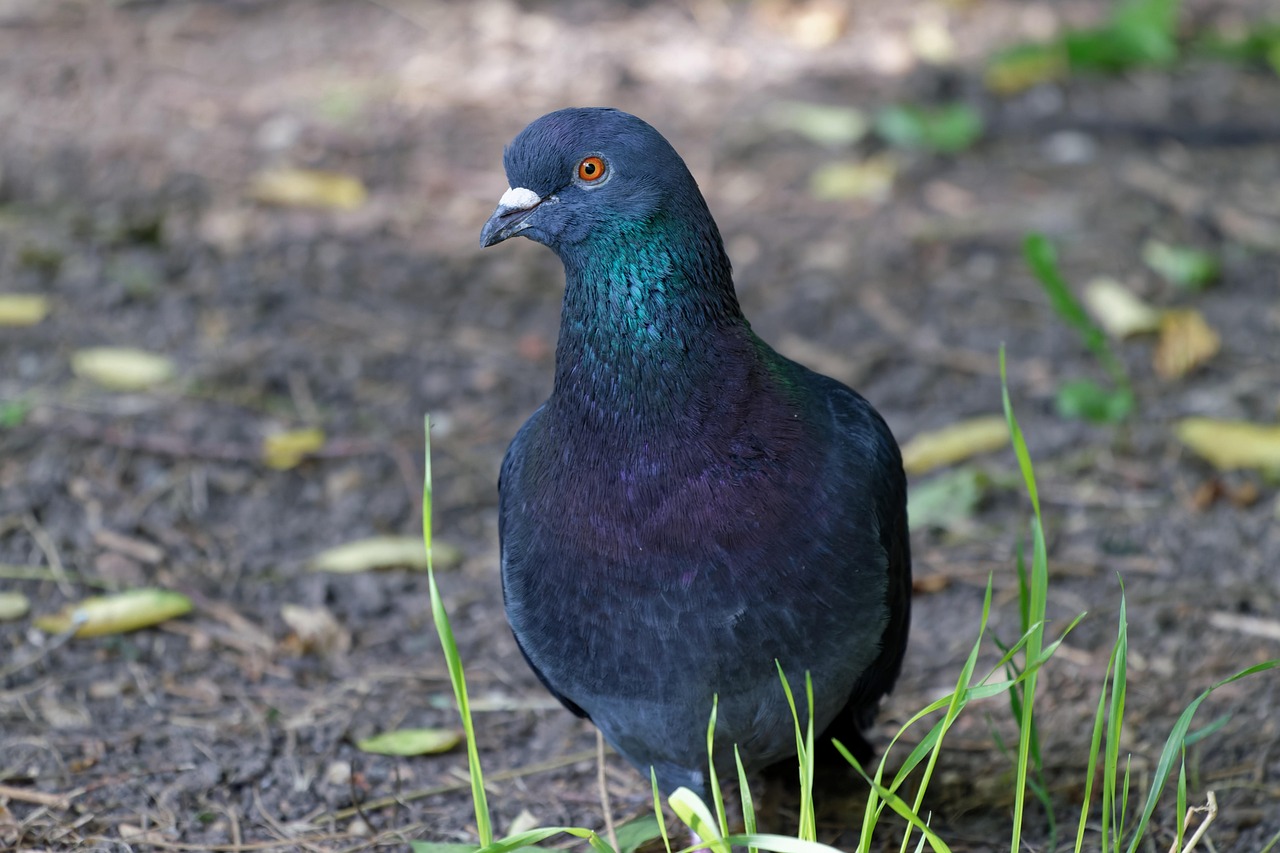
The widowhood system is a transformative training method in pigeon racing, designed to cultivate elite racing birds by harnessing their natural instincts for peak performance. This approach, when mastered, allows fanciers to build a team of top-tier competitors capable of excelling in long-distance races. By focusing on motivation and conditioning, it turns ordinary pigeons into extraordinary athletes.
The Fundamentals of the Widowhood System
At its core, the widowhood system revolves around separating male and female pigeons during the racing season to stimulate a strong desire to return home. This method leverages the birds' natural pairing instincts, creating a powerful motivational tool that drives them to fly faster and with more determination. Understanding these basics is essential for any fancier aiming to implement this system effectively.
How Widowhood Pigeons Are Motivated
Widowhood pigeons are motivated through the strategic separation of mates. During the racing period, males and females are kept apart, only allowing brief reunions before races to heighten their eagerness to return. This psychological trigger taps into their innate bonding behavior, making them more focused and driven during flights. The anticipation of reunion acts as a powerful incentive, often resulting in improved race times and consistency.
To maximize this motivation, timing is crucial. Reunions should be carefully scheduled, typically occurring just before basketing for a race. This ensures that the birds are at their peak emotional state, ready to give their all. Over time, this conditioning builds a strong association between racing and reward, fostering a competitive spirit that defines elite racing birds.
Setting Up Your Loft for Success
A well-designed loft is fundamental to the widowhood system. It should include separate compartments for males and females, ensuring they can see each other but not interact freely. This setup maintains their connection while preventing distractions. Key features include ample perching space, good ventilation, and easy access for training and health checks.
Additionally, consider the following elements for an optimal environment:
- Secure nesting boxes to simulate home comfort
- Clean water and feeding stations to support nutrition
- Natural lighting to regulate circadian rhythms
Training Techniques for Elite Racing Birds
Training widowhood pigeons requires a structured approach that builds endurance and navigation skills. Start with short, frequent flights and gradually increase distance to prepare them for long races. Consistency in training schedules helps birds develop stamina and familiarity with routes, essential for competitive success.
Building Endurance and Speed
To build endurance, incorporate regular exercise flights, ranging from 30 to 100 kilometers, several times a week. These sessions should mimic race conditions, encouraging pigeons to fly at a steady pace. Speed training involves shorter, intense flights to boost acceleration, often using motivational techniques like timed reunions. Balancing both aspects ensures that elite racing birds are well-rounded athletes.
Monitor performance through tracking tools and adjust training based on individual progress. Some birds may excel in endurance, while others show speed potential; tailoring routines to their strengths maximizes results. Remember, overtraining can lead to fatigue, so include rest days to allow recovery and maintain peak condition.
Navigation and Homing Skills
Navigation is a critical skill for widowhood pigeons, especially in long-distance races. Expose birds to varied terrains and weather conditions during training to enhance their homing abilities. Use release points from different directions to develop their internal compass, reducing reliance on flock behavior.
Advanced techniques include solo training flights to foster independence and problem-solving. This builds confidence, making elite racing birds more resilient in challenging race scenarios. Regular practice in diverse environments sharpens their instincts, leading to consistent returns and higher rankings.
Nutrition and Health Management
Proper nutrition is vital for maintaining the health and performance of widowhood pigeons. A balanced diet rich in proteins, carbohydrates, and fats supports energy levels and muscle development. Supplements like vitamins and minerals can address specific needs, especially during intense training periods.
Diet Plans for Peak Performance
Design diet plans that align with training phases. During off-seasons, focus on maintenance with moderate protein intake. As races approach, increase energy-rich foods like corn and peas to fuel endurance. Post-race, provide recovery meals with electrolytes to replenish lost nutrients. Consistency in feeding times helps regulate metabolism and digestion.
Consider these dietary tips:
- Offer fresh grains and seeds daily
- Include legumes for protein boosts
- Use supplements sparingly to avoid imbalances
Preventing Common Health Issues
Health management is crucial to avoid setbacks in training. Regularly check for signs of illness, such as lethargy or respiratory problems, and maintain a clean loft to prevent infections. Vaccinations and deworming should be part of a routine health schedule to protect against common diseases.
Implement preventive measures like quarantine for new birds and regular vet check-ups. Early detection of issues allows for prompt treatment, keeping widowhood pigeons in top shape. A healthy bird is more likely to perform consistently, contributing to the success of your racing team.
Psychological Aspects of Widowhood Training
The psychological well-being of widowhood pigeons significantly impacts their racing performance. Stress management and bonding strategies play key roles in maintaining motivation and reducing anxiety during the season.
Reducing Stress and Anxiety
Minimize stress by providing a stable environment with minimal disruptions. Avoid sudden changes in routine or loft setup, as this can unsettle the birds. Use calming techniques, such as gentle handling and familiar sounds, to create a sense of security. Reducing anxiety helps elite racing birds focus on training and races without distractions.
Monitor behavior for signs of stress, like feather plucking or aggression, and address causes promptly. A relaxed pigeon is more responsive to training and performs better under pressure, making this an essential aspect of the widowhood system.
Strengthening the Bond with Your Birds
Building a strong bond with your widowhood pigeons enhances trust and cooperation. Spend time interacting with them daily, using positive reinforcement like treats during training. This connection makes them more receptive to commands and reduces fear, leading to smoother handling and improved race outcomes.
A bonded bird is likelier to return home eagerly, leveraging the motivational aspects of the widowhood system. This relationship fosters a team dynamic, where both fancier and pigeons work together towards common goals.
Advanced Strategies for Long-Distance Races
For long-distance races, advanced strategies are necessary to optimize the performance of widowhood pigeons. These include race-day preparations and leveraging technology for better results.
Race-Day Preparation and Timing
On race days, ensure widowhood pigeons are well-rested and properly fed. Use motivational reunions strategically to peak their eagerness. Time basketing to align with their natural rhythms, avoiding early morning stress if possible. This preparation sets the stage for elite racing birds to perform at their best.
Post-race, provide immediate care, including hydration and a calm environment for recovery. Analyzing race data helps refine future strategies, making each competition a learning opportunity for continuous improvement.
Using Technology to Enhance Performance
Incorporate technology like GPS trackers and timing systems to monitor training and races. These tools provide insights into speed, distance, and navigation patterns, allowing for data-driven adjustments. Software solutions can help manage schedules and health records, streamlining the training process.
For those looking to optimize their approach, tools like Ghawy – Pigeon Manager (غاوي – إدارة الحمام) offer comprehensive support for tracking and managing elite racing birds. Embracing technology enhances efficiency and can give a competitive edge in the sport.
Conclusion
The widowhood system is a powerful method for developing elite racing birds, combining motivation, training, and care to achieve success in long-distance races. By mastering its principles, fanciers can build a team of top performers capable of consistent victories. Remember, patience and dedication are key to unlocking the full potential of this approach. For streamlined management, consider using Ghawy – Pigeon Manager (غاوي – إدارة الحمام) to support your journey in pigeon racing.