The Syrian pigeon, known as 'حمام شامي' in Arabic, is a cherished breed among pigeon enthusiasts worldwide, celebrated for its elegance, diverse colors, and rich cultural heritage. This comprehensive guide delves into everything you need to know about these birds, from their unique specifications to current market trends, offering valuable insights for both beginners and seasoned breeders.
Understanding the Syrian Pigeon Breed
The Syrian pigeon, or حمام شامي, is a distinct breed originating from the Levant region, particularly Syria, where it has been bred for centuries for its beauty and performance. These pigeons are renowned for their graceful flight patterns, strong homing instincts, and striking physical features that set them apart from other breeds. In this section, we explore the breed's history and core characteristics that make it a favorite among pigeon fanciers.
Historical Background and Cultural Significance
The history of the Syrian pigeon dates back to ancient times, with roots in Middle Eastern pigeon-keeping traditions. These birds were not only kept for their aesthetic appeal but also played roles in communication and sport, reflecting the region's deep connection to avian husbandry. Over generations, selective breeding has refined the حمام شامي into a symbol of pride and heritage, often featured in local festivals and competitions. Understanding this background helps appreciate why these pigeons hold such value in Arab cultures and beyond.
In modern times, the breed has gained international recognition, with enthusiasts from Europe to Asia seeking out purebred Syrian pigeons for their collections. This global interest has spurred advancements in breeding techniques, ensuring the preservation of traditional traits while introducing new color variations. By learning about its past, breeders can better maintain the breed's integrity and contribute to its ongoing legacy in the pigeon community.
Key Physical and Behavioral Traits
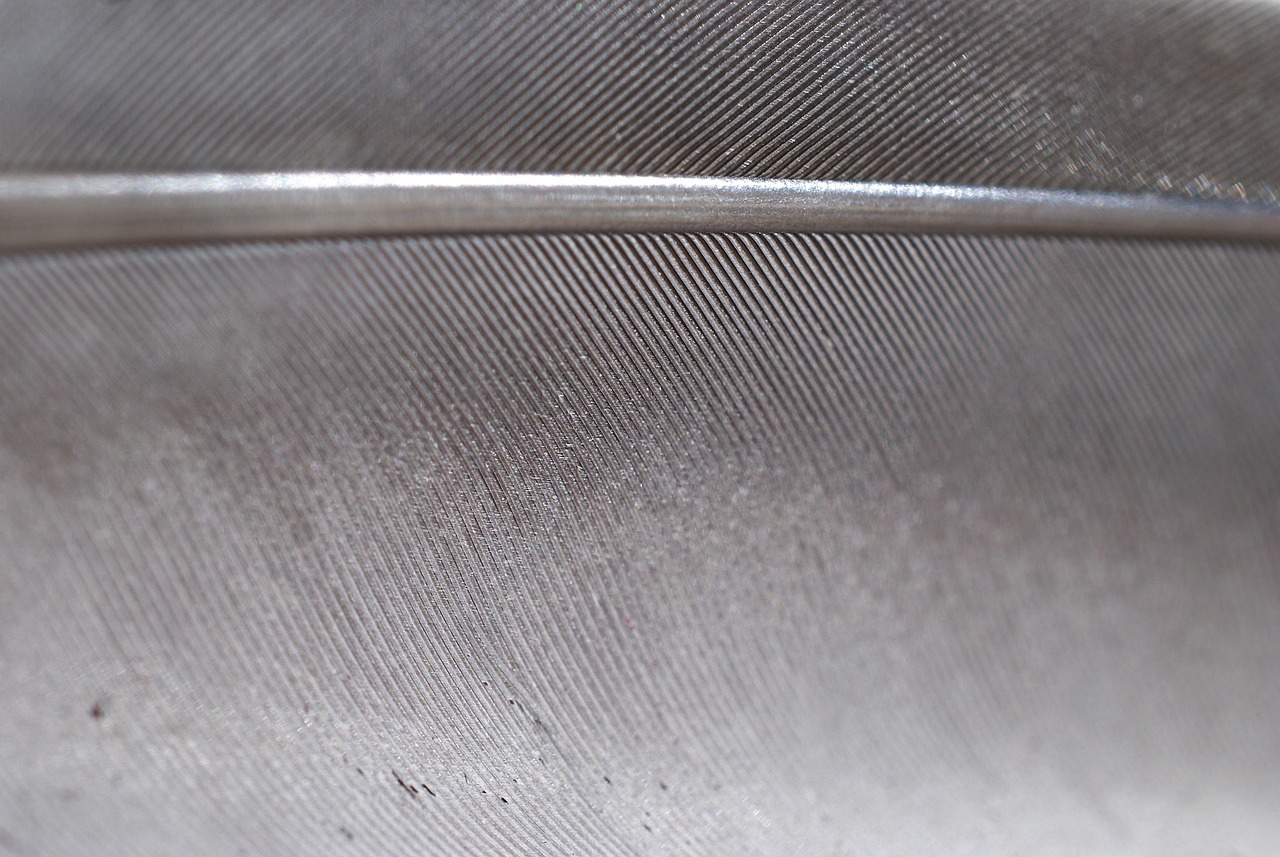
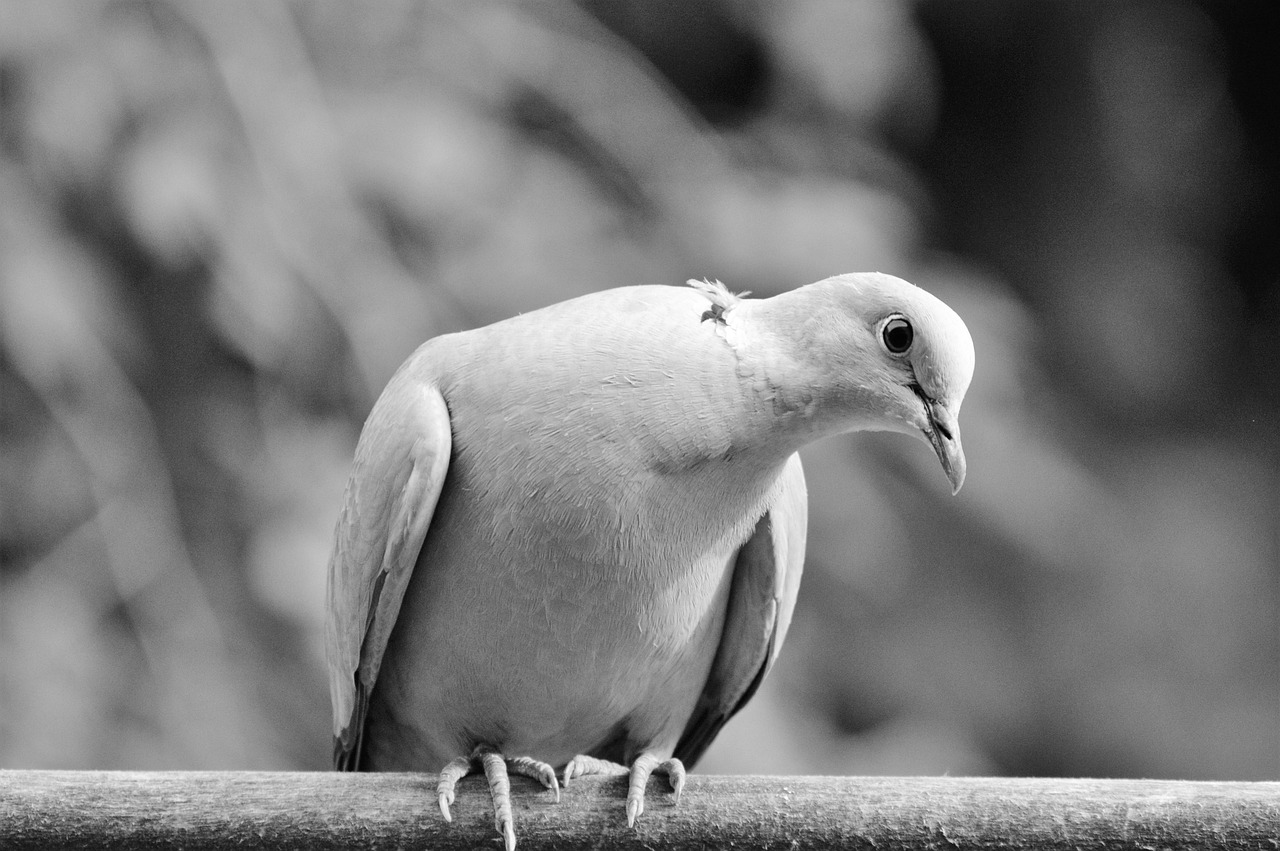
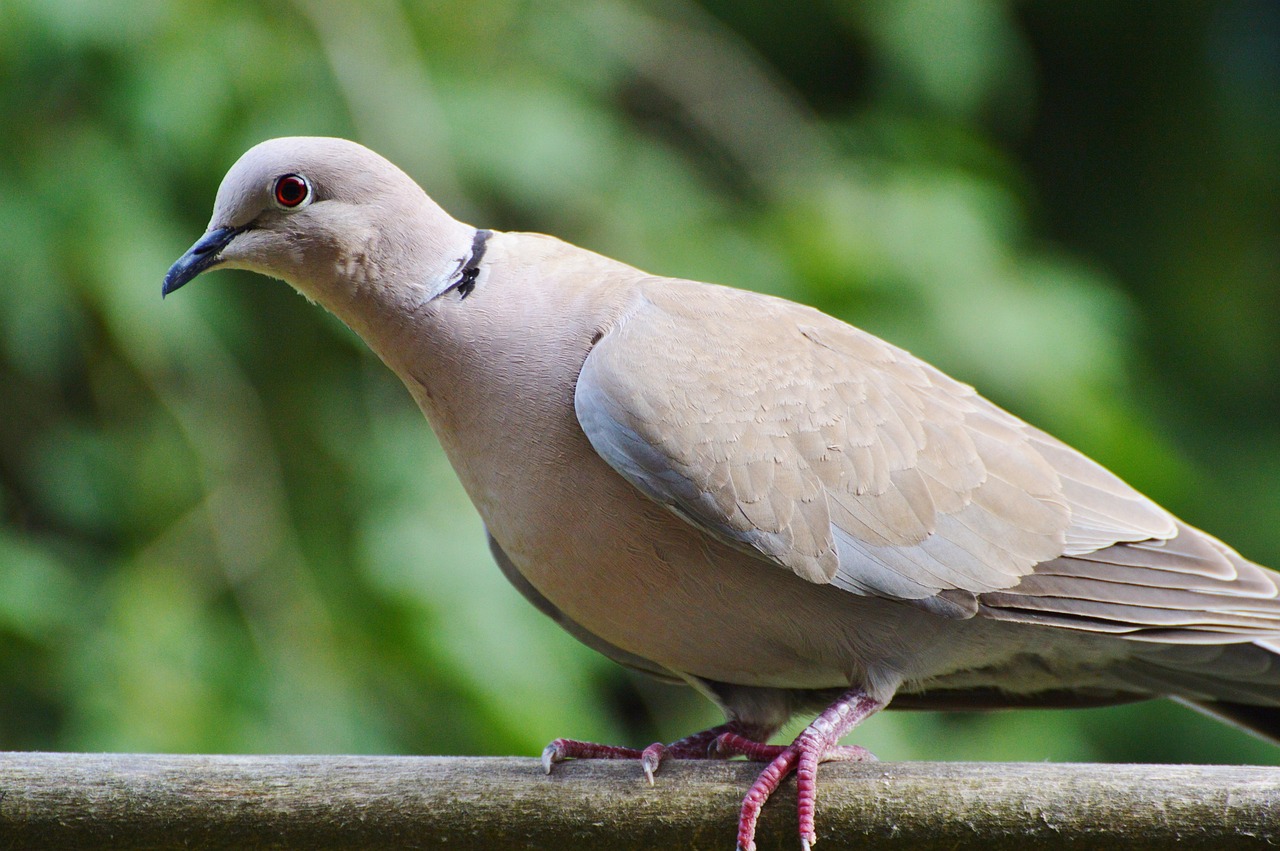
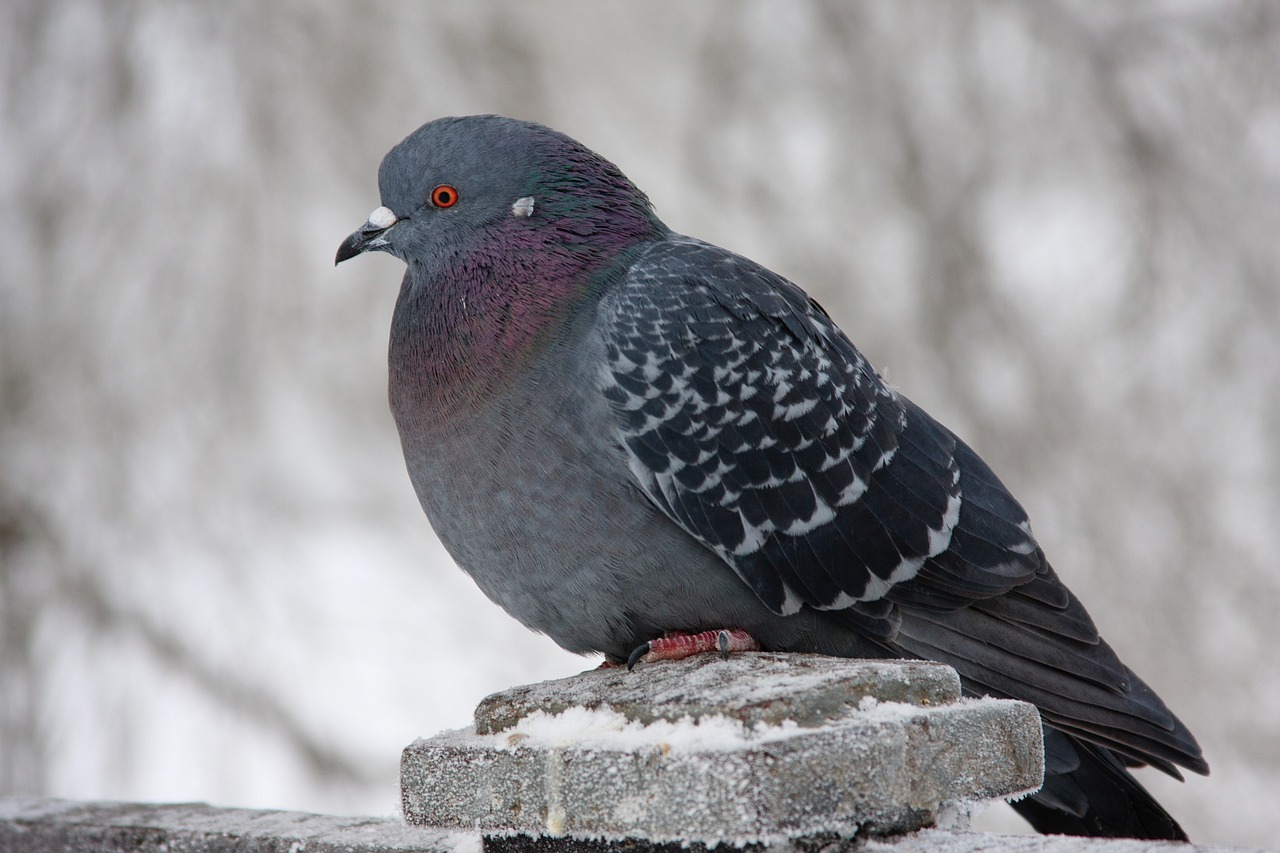
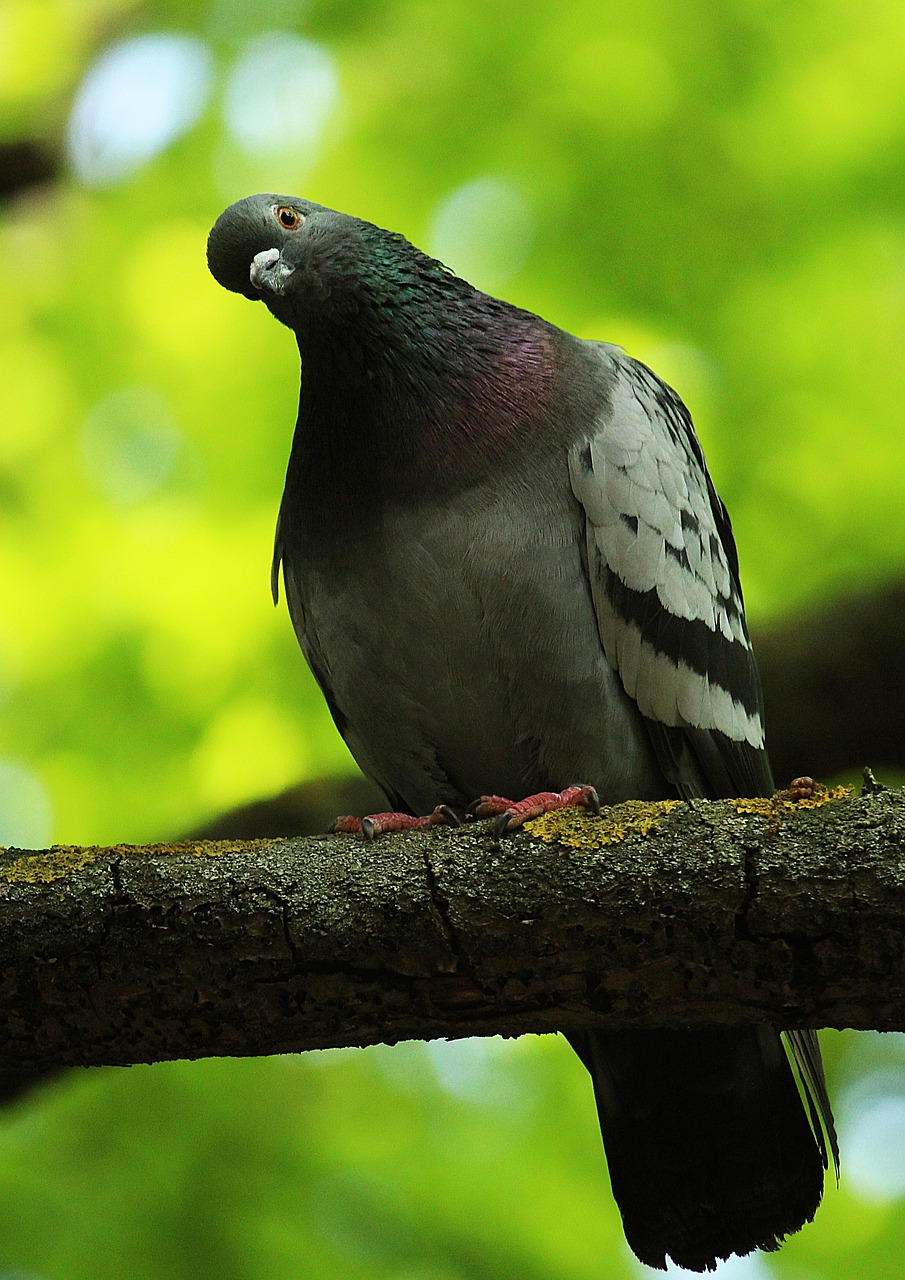
Syrian pigeons are characterized by their medium to large size, typically weighing between 400 to 600 grams, with a robust build that supports their agile flight. They have a broad chest, strong wings, and a distinctive head shape that often includes a prominent beak and expressive eyes. Their plumage can vary widely, but common traits include smooth feathers and a balanced posture that exudes confidence and health. These physical attributes not only enhance their appearance but also contribute to their endurance and adaptability in various environments.
Behaviorally, حمام شامي are known for their intelligence and social nature, often forming strong bonds with their handlers and flock mates. They exhibit excellent homing abilities, making them suitable for racing and long-distance flights, and their calm demeanor makes them easier to train compared to more skittish breeds. Breeders should note that these pigeons thrive in spacious lofts with regular exercise, as their active lifestyle is key to maintaining their physical and mental well-being. By focusing on these traits, enthusiasts can ensure their birds lead happy, productive lives.
Exploring the Color Varieties of Syrian Pigeons
One of the most captivating aspects of the Syrian pigeon is its diverse color palette, which ranges from classic shades to rare hues that command attention in shows and markets. This section breaks down the common and unique color types, helping breeders identify and appreciate the visual appeal of these birds. Whether you're looking to start a flock or expand an existing one, understanding color genetics can enhance your breeding success.
Common Color Patterns and Their Popularity
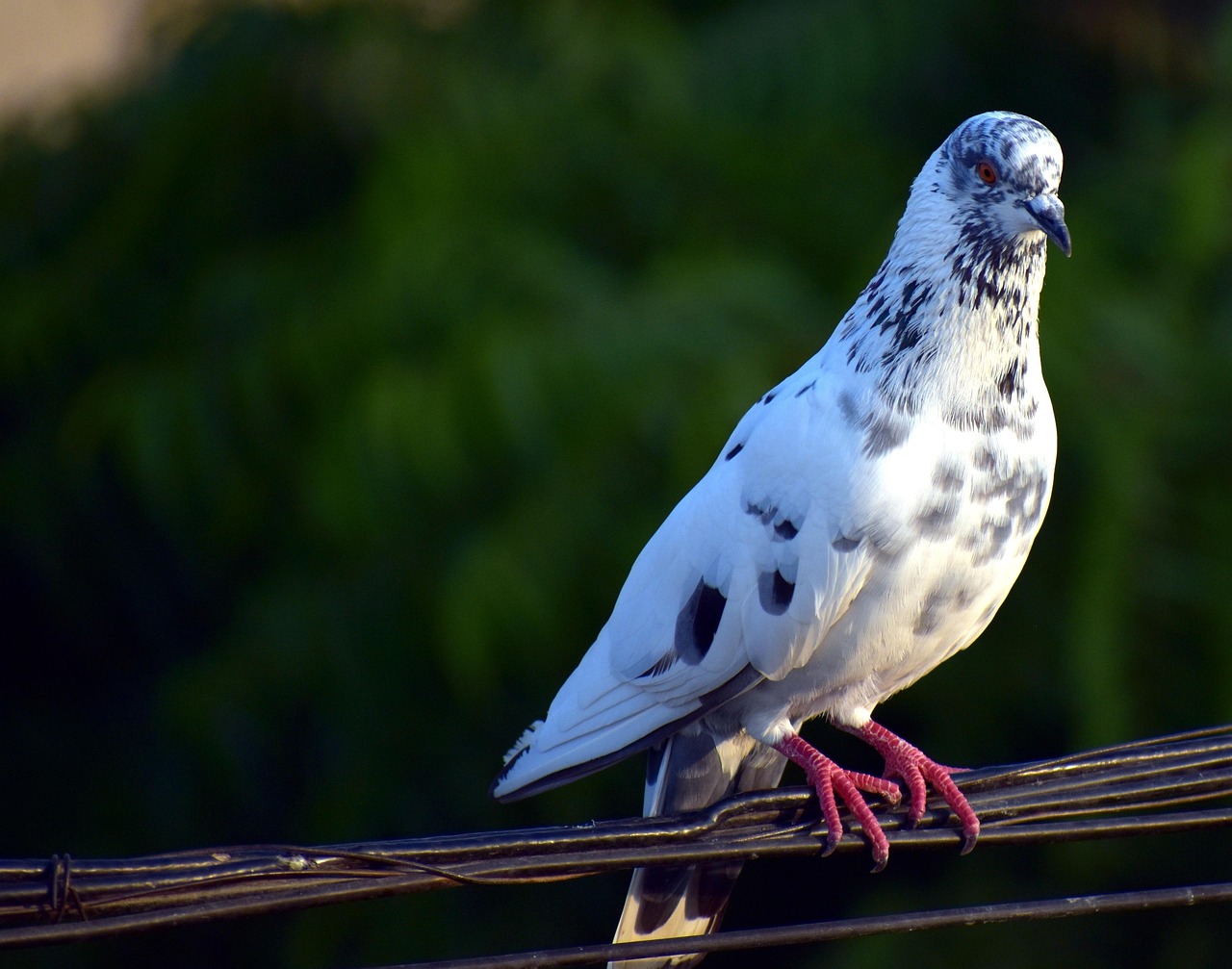
The most prevalent colors in حمام شامي include solid shades like white, black, and red, as well as patterned varieties such as pied, grizzle, and mottled. White Syrian pigeons are often favored for their purity and elegance, making them a staple in many collections, while black ones are prized for their striking contrast and rarity in certain lines. Red and yellow tones, derived from specific pigmentations, add warmth and vibrancy to flocks, appealing to breeders who value visual diversity. These common patterns are widely available and serve as a foundation for more complex breeding projects.
In terms of popularity, solid colors tend to dominate beginner markets due to their simplicity and ease of identification, but experienced breeders often seek out patterned birds for their uniqueness and potential in competitions. Factors like feather sheen and color consistency also play roles in determining value, with well-maintained plumage fetching higher prices. By familiarizing yourself with these common types, you can make informed decisions when purchasing or breeding Syrian pigeons, ensuring a balanced and attractive flock.
Rare and Unique Color Mutations
Beyond the basics, Syrian pigeons exhibit rare color mutations that are highly sought after by collectors and show enthusiasts. These include lavender, blue, and silver variations, which result from genetic combinations that occur less frequently in breeding populations. Lavender Syrian pigeons, for instance, have a soft, grayish-purple hue that stands out in any loft, while blue ones offer a cool, metallic sheen that catches the light beautifully. Silver mutations, often with white accents, add a touch of elegance and are considered premium in many circles.
Breeding for these rare colors requires patience and expertise, as it involves understanding recessive genes and selective pairing to achieve desired outcomes. Enthusiasts interested in these mutations should network with specialized breeders and participate in pigeon clubs to access quality stock. While rare colors can command higher أسعار الحمام الشامي, they also represent an investment in genetic diversity and breed improvement. By exploring these unique options, you can elevate your pigeon-keeping experience and contribute to the breed's colorful evolution.
Specifications and Care Requirements for Syrian Pigeons
To ensure the health and longevity of Syrian pigeons, it's essential to understand their specific care needs, from diet and housing to health management. This section provides actionable guidelines for maintaining these birds, based on expert insights and practical experience. By following these specifications, breeders can foster thriving flocks that showcase the best of the حمام شامي breed.
Optimal Diet and Nutrition Plans
A balanced diet is crucial for Syrian pigeons, supporting their energy levels, feather quality, and overall health. Their nutritional intake should include a mix of grains, seeds, and legumes, such as corn, wheat, peas, and millet, which provide essential carbohydrates, proteins, and fats. Supplementing with fresh greens and occasional protein sources like insects can enhance their diet, especially during breeding seasons or molting periods. It's important to offer clean, fresh water daily, as dehydration can lead to health issues and reduced performance in these active birds.
Breeders should tailor feeding schedules based on their pigeons' age, activity level, and environmental conditions. For example, young birds and breeding pairs may require higher protein intake to support growth and reproduction, while older pigeons might benefit from lighter, easily digestible mixes. Avoiding overfeeding is key to preventing obesity, which can impact flight ability and longevity. By implementing a consistent nutrition plan, you can ensure your حمام شامي remain vibrant and healthy, ready to impress in any setting.
Housing and Environmental Considerations
Proper housing is vital for Syrian pigeons, as it affects their comfort, safety, and breeding success. A well-designed loft should be spacious, well-ventilated, and protected from extreme weather conditions, with dimensions allowing at least 1 cubic meter per bird to prevent overcrowding. Key features include nesting boxes for breeding pairs, perches for resting, and easy access for cleaning to maintain hygiene. Materials like wood or metal can be used, but ensure they are non-toxic and durable to withstand the pigeons' activities and potential pests.
Environmental factors such as temperature, lighting, and noise levels also play significant roles in pigeon well-being. Syrian pigeons thrive in moderate climates, so providing shade in summer and insulation in winter can help regulate their body temperature. Natural light supports their circadian rhythms and breeding cycles, while minimizing stress from loud noises promotes a calm atmosphere. Regular loft maintenance, including disinfecting and removing waste, prevents diseases and ensures a healthy living space. By prioritizing these housing aspects, breeders can create an ideal environment for their حمام شامي to flourish.
Pricing and Market Trends for Syrian Pigeons
Understanding أسعار الحمام الشامي is essential for anyone looking to buy, sell, or breed these birds, as prices can vary based on multiple factors. This section analyzes current market trends, offering insights into what influences costs and how to navigate the pigeon economy effectively. Whether you're a hobbyist or a commercial breeder, this information will help you make smart financial decisions.
Factors Influencing Syrian Pigeon Prices
The price of حمام شامي is determined by several key factors, including color rarity, pedigree, age, and overall health. Rare color mutations, as discussed earlier, often command premium prices due to their scarcity and aesthetic appeal, with some specimens selling for hundreds or even thousands of dollars in competitive markets. Pedigree and lineage also play crucial roles; birds from champion bloodlines or reputable breeders tend to be more expensive, as they offer genetic reliability and potential for show success. Age is another consideration, with younger, trainable pigeons generally priced higher than older ones, though mature breeding pairs can be valuable for reproduction.
Additional factors include the bird's physical condition, such as feather quality and body symmetry, and its behavioral traits, like tameness and flight performance. Market demand fluctuates based on trends in pigeon shows, breeding seasons, and regional preferences, so staying informed through online forums and local auctions can help you gauge fair أسعار الحمام الشامي. By evaluating these elements, buyers can avoid overpaying, while sellers can set competitive prices that reflect their birds' true worth.
Where to Buy and Sell Syrian Pigeons
Finding reliable sources for Syrian pigeons involves exploring various channels, from local breeders and pigeon clubs to online platforms and international auctions. Local breeders often offer the advantage of seeing birds in person, allowing for health assessments and direct negotiations, which can lead to better deals and ongoing support. Pigeon clubs and associations provide networking opportunities, with events like shows and sales where you can connect with experts and access quality stock. These venues are ideal for learning about current أسعار الحمام الشامي and building relationships within the community.
Online marketplaces and social media groups have expanded access to Syrian pigeons globally, but require caution to avoid scams or misrepresented birds. Look for sellers with positive reviews, clear photos, and health guarantees, and consider using escrow services for high-value transactions. When selling, highlight your pigeons' strengths, such as unique colors or proven lineage, to attract serious buyers. Regardless of the platform, transparency and ethical practices are key to successful transactions. By leveraging these options, you can navigate the market confidently, whether adding to your flock or sharing your breeding achievements.
Conclusion
In summary, the Syrian pigeon, or حمام شامي, is a remarkable breed that offers a blend of beauty, intelligence, and cultural significance. From its diverse color varieties and specific care requirements to the factors influencing أسعار الحمام الشامي, this guide has covered essential aspects for enthusiasts at all levels. By applying these insights, you can enhance your pigeon-keeping journey, whether through breeding, showing, or simply enjoying these majestic birds. For those looking to streamline their management, consider tools like Ghawy – Pigeon Manager (غاوي – إدارة الحمام) to organize your flock efficiently and connect with the broader community.