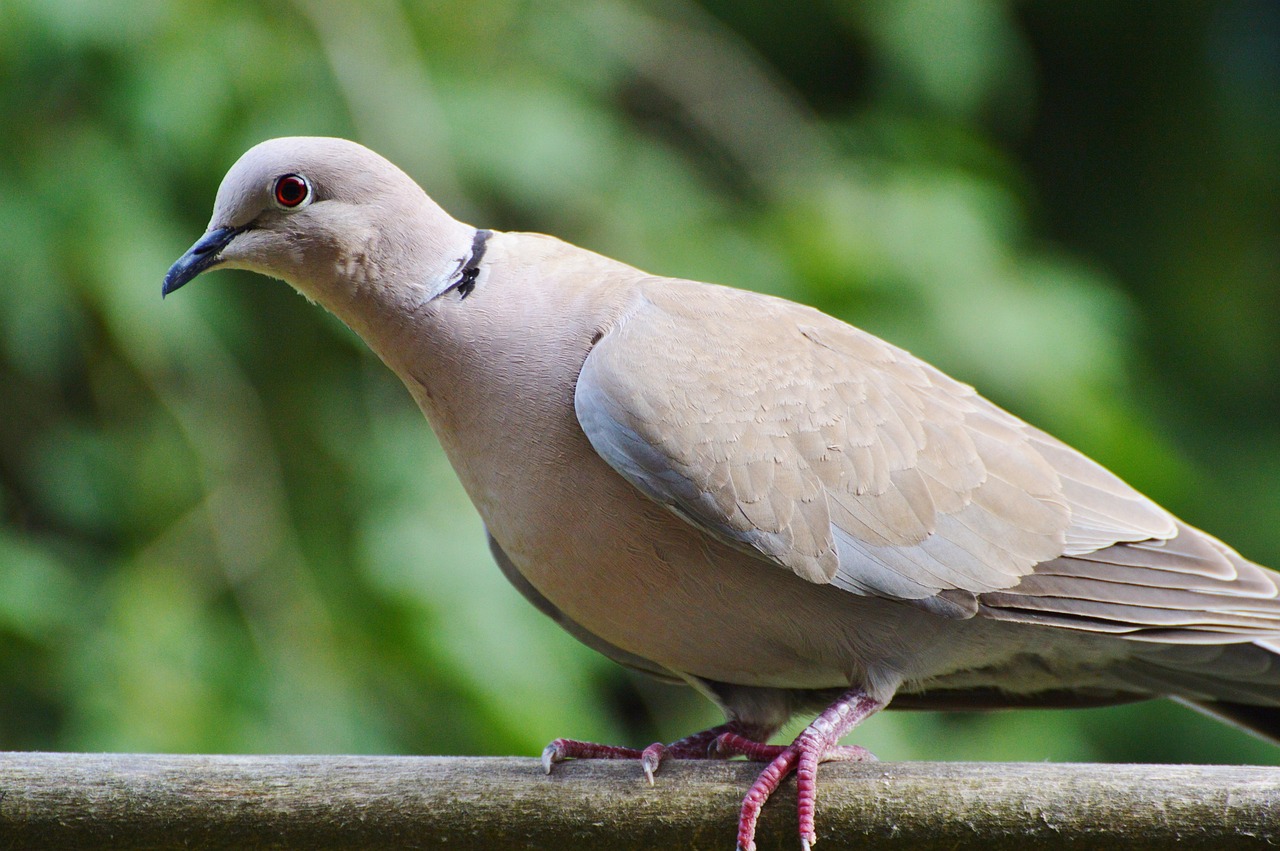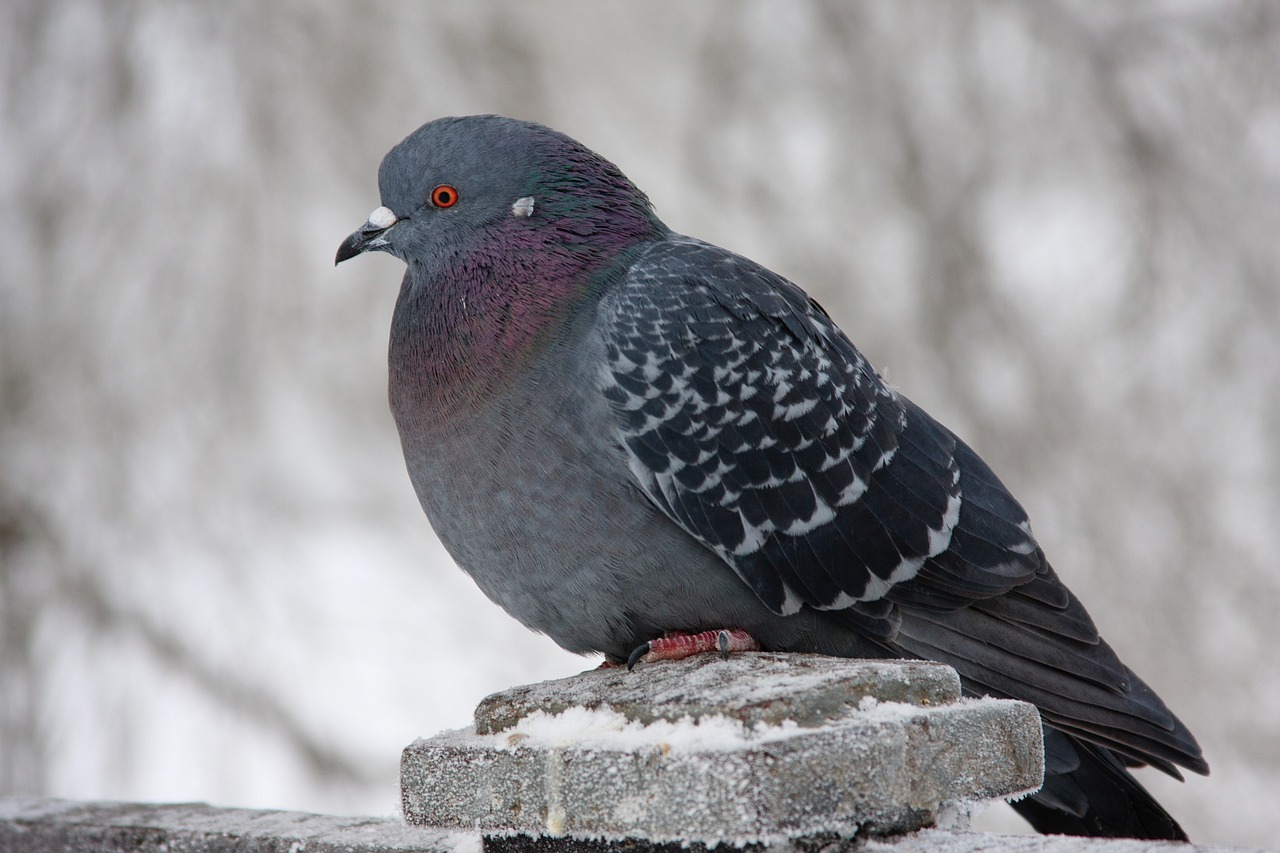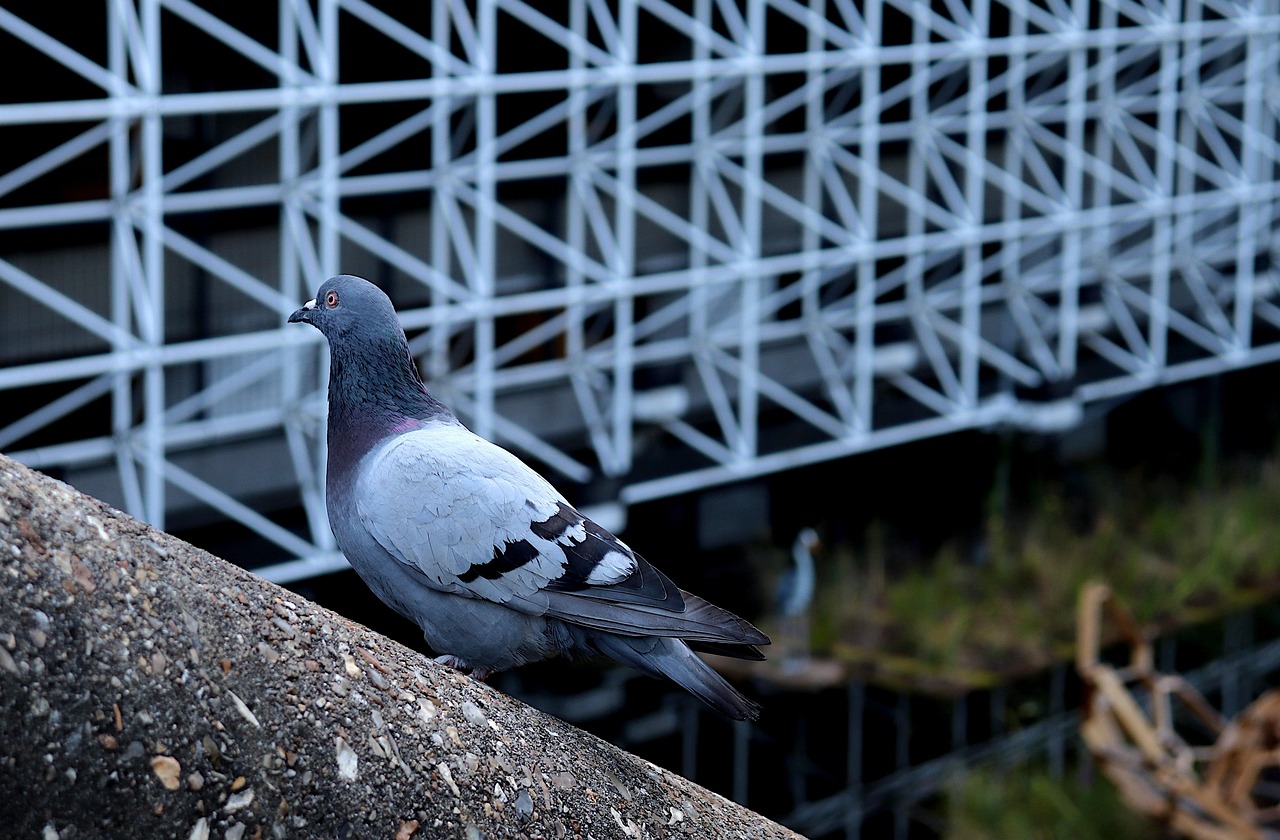
The Syrian pigeon, known as 'الحمام الشامي' in Arabic, is a cherished breed among pigeon enthusiasts worldwide, celebrated for its elegance, diverse colors, and rich cultural heritage. This comprehensive guide delves into everything you need to know about these birds, from their unique specifications to current market prices, offering valuable insights for both beginners and seasoned breeders.
Understanding the Syrian Pigeon Breed
The Syrian pigeon, or حمام شامي, is a distinct breed originating from the Levant region, particularly Syria, where it has been bred for centuries for its beauty and flying abilities. These pigeons are not just pets; they are symbols of tradition and pride in Arab culture, often featured in competitions and exhibitions. Their popularity stems from a combination of aesthetic appeal and robust health, making them a favorite among pigeon fanciers.
Historical and Cultural Significance
The history of the Syrian pigeon dates back to ancient times, with references in Middle Eastern folklore and art, highlighting their role as messengers and companions. In Arab societies, breeding حمام شامي is more than a hobby; it's a passion passed down through generations, reflecting a deep connection to heritage. These birds are often associated with peace and prosperity, and their presence in homes and aviaries is considered a sign of good fortune. Understanding this cultural context enriches the appreciation for the breed and underscores why they remain so sought-after today.
Physical Characteristics and Traits
Syrian pigeons are known for their medium to large size, with a graceful posture and strong wings that enable impressive flight. Key physical traits include a broad chest, well-defined beak, and expressive eyes that vary in color based on the plumage. They exhibit a calm and intelligent demeanor, making them easy to train and handle. Breeders value their hardiness, as they adapt well to various climates, though they thrive in warm, dry environments similar to their native habitat. These characteristics contribute to their longevity and suitability for both show and racing purposes.
Exploring the Diverse Colors of Syrian Pigeons
One of the most captivating aspects of حمام شامي is their wide array of colors, which range from solid hues to intricate patterns. This diversity not only enhances their visual appeal but also influences their value in the market. Breeders often select colors based on personal preference or breeding goals, with some shades being rarer and more prized than others. Understanding these color variations can help enthusiasts make informed decisions when adding to their flocks.
Common Color Varieties
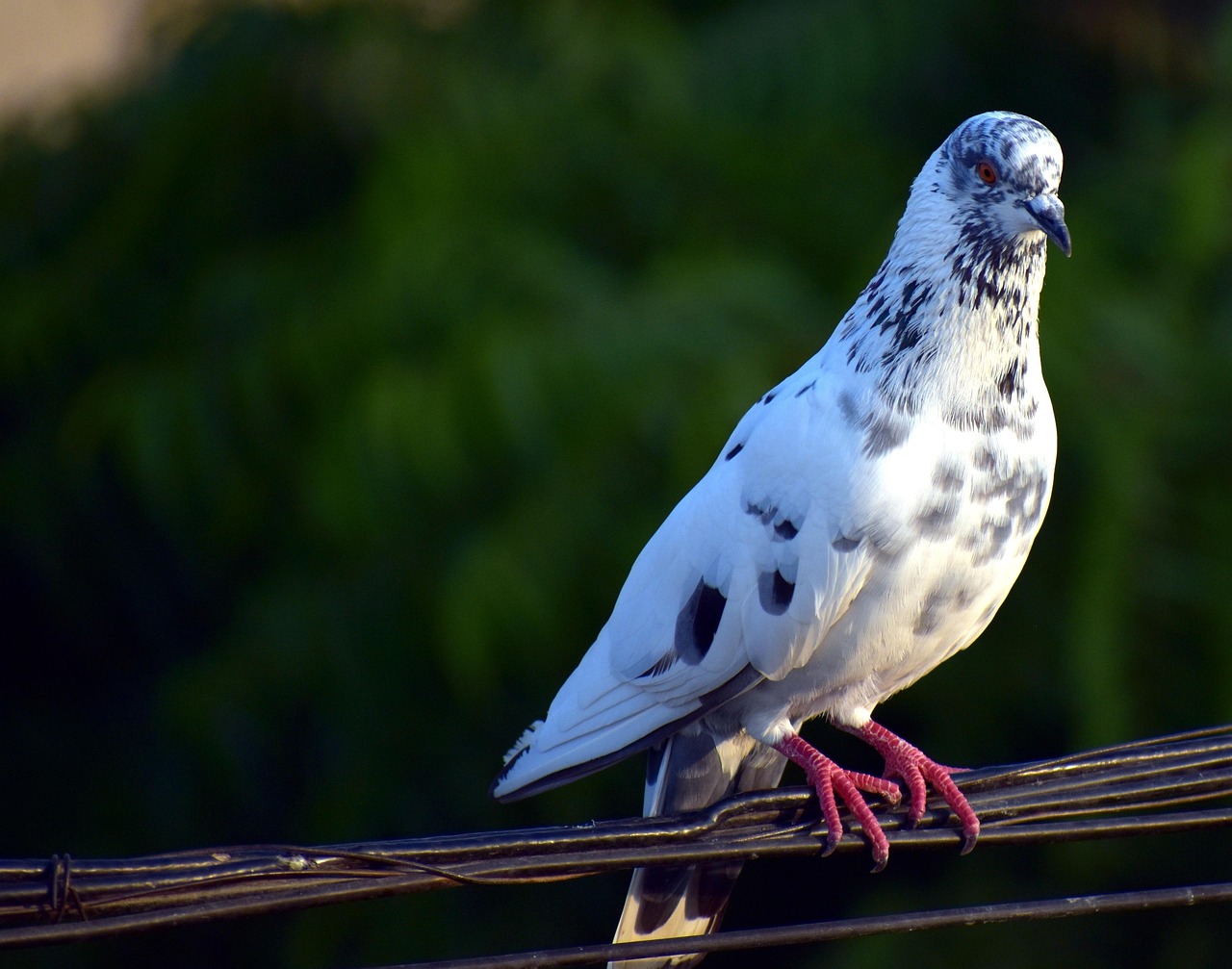
Common colors in Syrian pigeons include white, black, blue, and red, each with its own unique charm and genetic background. White pigeons are often associated with purity and are popular in ceremonial events, while black varieties exude a sleek, mysterious beauty. Blue and red shades, such as ash-blue and copper-red, are highly sought after for their vibrant tones and are frequently bred for show competitions. These colors can appear in solid forms or with markings like bars or spots, adding to the breed's visual diversity. Breeders should note that color can affect pricing, with rarer hues commanding higher أسعار الحمام الشامي.
Rare and Unique Color Patterns
Beyond the common colors, Syrian pigeons exhibit rare patterns like pied, grizzle, and almond, which are the result of specific genetic combinations. Pied pigeons feature patches of white mixed with other colors, creating a striking contrast, while grizzle patterns give a speckled or frosted appearance. Almond-colored birds, with their blend of brown and black, are particularly rare and valued for their uniqueness. These patterns often require careful breeding to maintain, making them more expensive and desirable among collectors. Enthusiasts interested in these varieties should seek reputable breeders to ensure quality and authenticity.
Key Specifications and Care Requirements
To ensure the health and well-being of Syrian pigeons, it's essential to understand their specifications and care needs. These birds require a balanced diet, proper housing, and regular health checks to thrive. Neglecting these aspects can lead to common issues like respiratory problems or feather disorders, so proactive care is crucial for any breeder or owner.
Diet and Nutrition Guidelines
A balanced diet is vital for حمام شامي, consisting of grains, seeds, and supplements to support their energy and plumage. Recommended foods include corn, wheat, peas, and millet, which provide essential carbohydrates and proteins. Fresh water should always be available, and occasional treats like greens or fruits can add variety. Overfeeding or poor nutrition can lead to obesity or deficiencies, so portion control and variety are key. Breeders should adjust diets based on activity levels, such as increasing protein during breeding seasons or flight training.
- Provide a mix of grains for balanced nutrition
- Ensure access to clean water daily
- Supplement with vitamins during stress periods
Housing and Environment Setup
Syrian pigeons need spacious, clean housing to prevent disease and promote natural behaviors. An ideal aviary or loft should offer protection from predators and harsh weather, with adequate ventilation to reduce humidity. Perches and nesting boxes should be included to encourage roosting and breeding. Regular cleaning is essential to avoid parasites and infections, so a routine maintenance schedule is recommended. For those in urban areas, secure enclosures can help minimize noise and disturbance, ensuring the birds remain calm and healthy.
Pricing and Market Insights for Syrian Pigeons
أسعار الحمام الشامي vary widely based on factors like color, age, health, and breeding lineage. Understanding these variables can help buyers make cost-effective purchases and avoid overpaying. The market for these pigeons is dynamic, with prices fluctuating due to demand, seasonality, and regional trends, so staying informed is key for anyone involved in buying or selling.
Factors Influencing Prices
Several factors influence the cost of Syrian pigeons, with rare colors and proven breeding records often commanding premium prices. Younger birds, or squabs, are generally less expensive than mature adults with established traits. Health and pedigree play significant roles; pigeons from champion bloodlines or with certifications from breeders' associations can be significantly more costly. Additionally, market demand spikes during breeding seasons or exhibition events, leading to temporary price increases. Buyers should research and compare options to find fair deals, considering both upfront costs and long-term value.
Average Price Ranges and Buying Tips
On average, أسعار الحمام الشامي range from $50 to $500 per bird, with exceptional specimens reaching over $1000. Common colors like white or black typically fall in the lower range, while rare patterns like almond or grizzle can exceed $300. When purchasing, it's advisable to buy from reputable breeders who provide health guarantees and documentation. Inspect the birds for signs of vitality, such as clear eyes and smooth feathers, and avoid deals that seem too good to be true. For those on a budget, starting with a pair of healthy, mid-range pigeons can be a smart investment to build a flock gradually.
Breeding and Training Syrian Pigeons
Breeding and training حمام شامي require patience and knowledge to achieve success, whether for show, racing, or simply expanding a flock. These processes involve understanding genetics, behavior, and proper techniques to ensure healthy offspring and well-trained birds. With dedication, breeders can enhance desirable traits and create a thriving community of pigeons.
Breeding Techniques and Best Practices
Successful breeding starts with selecting compatible pairs based on color, health, and temperament to produce strong offspring. Syrian pigeons typically breed in spring and summer, so providing a conducive environment with nesting materials and privacy is essential. Monitor the breeding process closely, ensuring eggs are incubated properly and chicks receive adequate care from parents. Genetic diversity should be maintained to prevent inbreeding issues, so rotating breeding pairs or introducing new bloodlines periodically is recommended. Record-keeping helps track lineages and improve future breeding outcomes.
Training for Flight and Competitions
Training Syrian pigeons for flight or competitions involves gradual exercises to build endurance and homing instincts. Start with short flights in a controlled area, gradually increasing distance as the birds gain confidence. Use positive reinforcement, such as treats, to encourage return behavior. For racing or show events, specialized training regimens can enhance performance, focusing on speed and presentation. Consistency is key, so establish a routine and avoid overexertion. With proper training, these pigeons can excel in various activities, showcasing their natural abilities and bringing pride to their owners.
Conclusion
In summary, the Syrian pigeon, or حمام شامي, is a remarkable breed offering beauty, versatility, and cultural significance. From their diverse colors and specifications to the factors affecting أسعار الحمام الشامي, this guide provides a comprehensive overview for enthusiasts. By focusing on proper care, informed purchasing, and dedicated breeding, anyone can enjoy the rewards of raising these majestic birds. For those looking to streamline their pigeon management, consider exploring tools like Ghawy – Pigeon Manager (غاوي – إدارة الحمام) to enhance your breeding and care routines.