The Gulf region has emerged as a vibrant hub for pigeon enthusiasts, with the King pigeon (حمام كنجي) standing out as a particularly sought-after breed. This article delves into the unique specifications that make this pigeon so desirable in the السوق الخليجي, exploring its origins, characteristics, and the cultural and economic factors driving its popularity. Whether you're a seasoned breeder or a newcomer, understanding these aspects can enhance your appreciation and success in this niche market.
The Origins and History of the King Pigeon
The King pigeon, often referred to as حمام كنجي, has a rich history that traces back to selective breeding efforts aimed at creating a robust and visually striking bird. Its development involved crossing various utility and fancy breeds to achieve a balance of size, temperament, and aesthetic appeal. In the Gulf, this breed has gained prominence due to its adaptability to the local climate and its alignment with regional preferences for pigeons that symbolize status and tradition.
Historical Development and Breeding Goals
The breeding of King pigeons began with a focus on enhancing specific traits such as body mass, feather quality, and overall health. Early breeders prioritized creating a bird that could thrive in diverse environments, including the arid conditions of the Middle East. Over time, selective breeding refined these characteristics, leading to the modern King pigeon known for its impressive stature and gentle demeanor. This historical context is crucial for understanding why the breed resonates so strongly in the السوق الخليجي, where heritage and quality are highly valued.
In the Gulf, the adoption of King pigeons has been influenced by cultural practices that date back centuries. Pigeon keeping has long been a cherished hobby, often associated with nobility and leisure. The King pigeon, with its regal appearance, fits perfectly into this tradition, making it a symbol of prestige. Breeders in the region have further tailored the breed through local breeding programs, ensuring it meets the specific demands of the market, such as heat tolerance and disease resistance.
Cultural Significance in the Gulf Region
The cultural significance of the King pigeon in the Gulf cannot be overstated. It is often featured in local competitions and exhibitions, where its size and beauty are celebrated. These events not only showcase the breed but also foster a community of enthusiasts who exchange knowledge and breeding techniques. The السوق الخليجي for King pigeons is driven by this deep-rooted appreciation, with demand fueled by both hobbyists and collectors seeking birds that embody excellence and tradition.
Moreover, the King pigeon has become a part of social rituals and gatherings in the Gulf, where pigeon racing and showing are popular pastimes. Its presence in these activities highlights its role beyond mere aesthetics, serving as a connector among people who share a passion for avian care. This cultural embedding ensures a steady demand, as new generations continue to embrace the hobby, often starting with breeds like the King pigeon due to its reputation and accessibility in the market.
Key Physical Specifications of the King Pigeon
Understanding the physical specifications of the King pigeon is essential for anyone involved in the السوق الخليجي. These traits not only define the breed's appeal but also impact its health, breeding potential, and performance in competitions. From body structure to feather patterns, each aspect contributes to the overall value and demand for حمام كنجي in the region.
Body Size and Structure
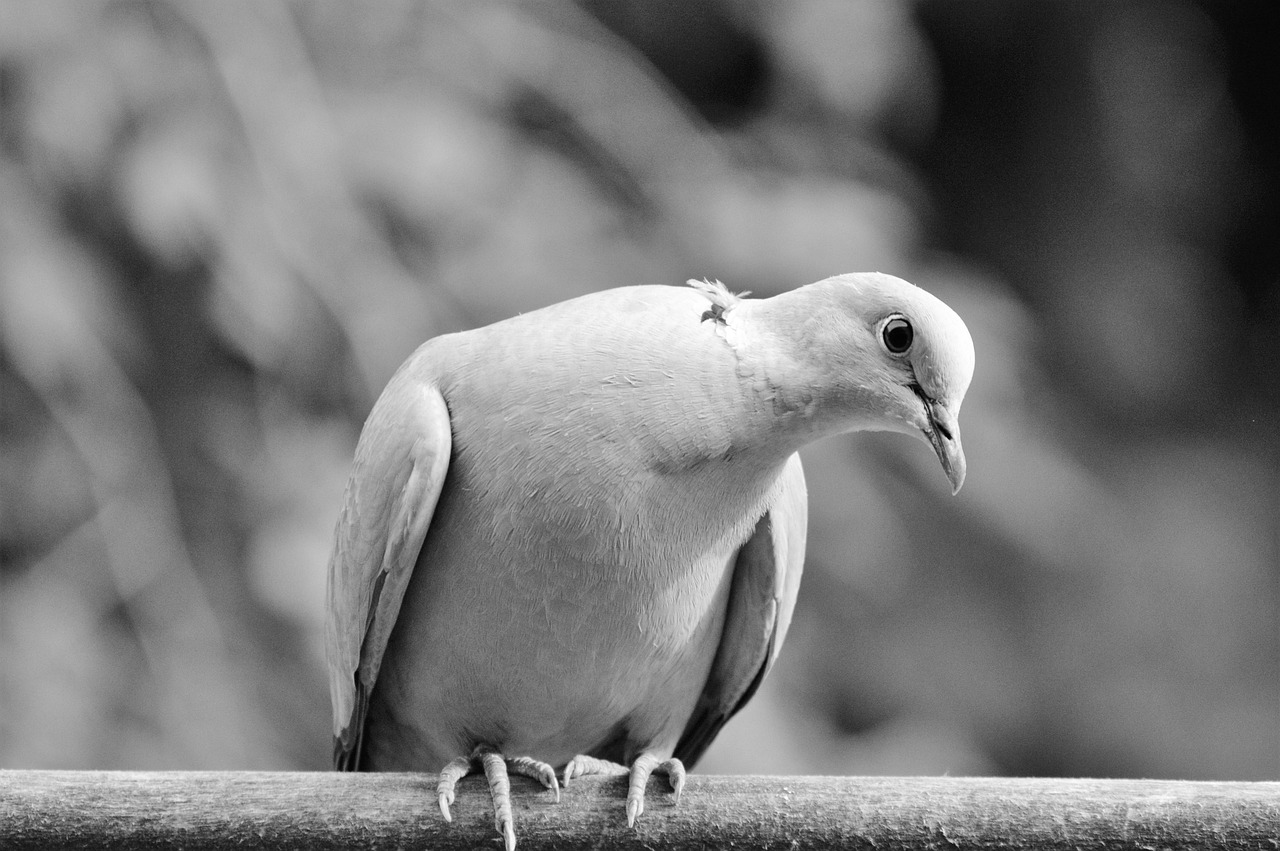
The King pigeon is renowned for its large, muscular body, which typically weighs between 800 to 1,200 grams, making it one of the heavier pigeon breeds. This substantial size is a key factor in its popularity, as it conveys strength and vitality. The body is broad and deep-chested, with a well-rounded appearance that exudes robustness. In the Gulf, breeders often prioritize birds with optimal body proportions to ensure they can withstand the local climate and maintain good health.
Additionally, the structure of the King pigeon includes strong legs and feet, which are crucial for perching and mobility. The wings are broad and powerful, allowing for short, controlled flights, though this breed is not typically used for long-distance racing. Instead, its physical build makes it ideal for showing and breeding, where appearance and temperament are paramount. When evaluating حمام كنجي in the السوق الخليجي, buyers look for these structural features as indicators of quality and genetic purity.
Feather Quality and Color Variations
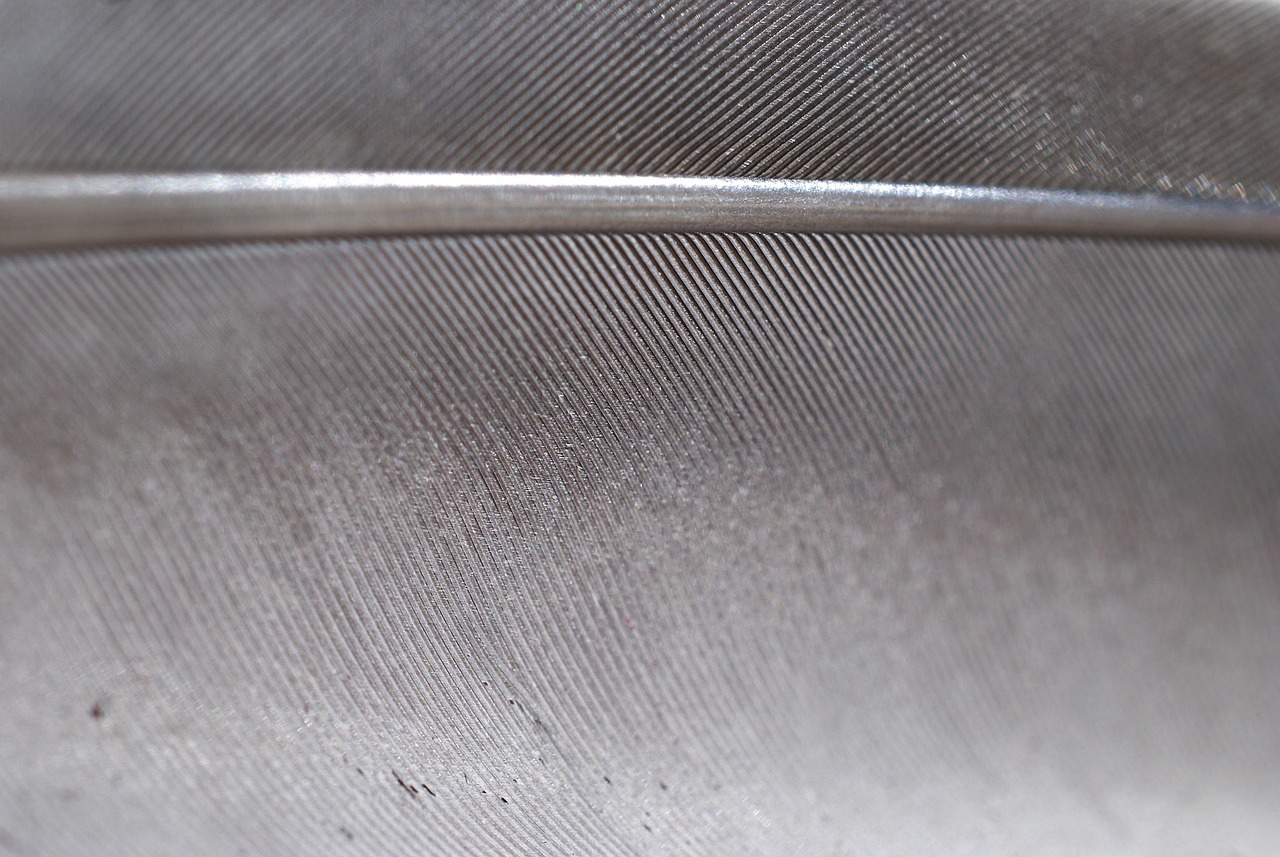
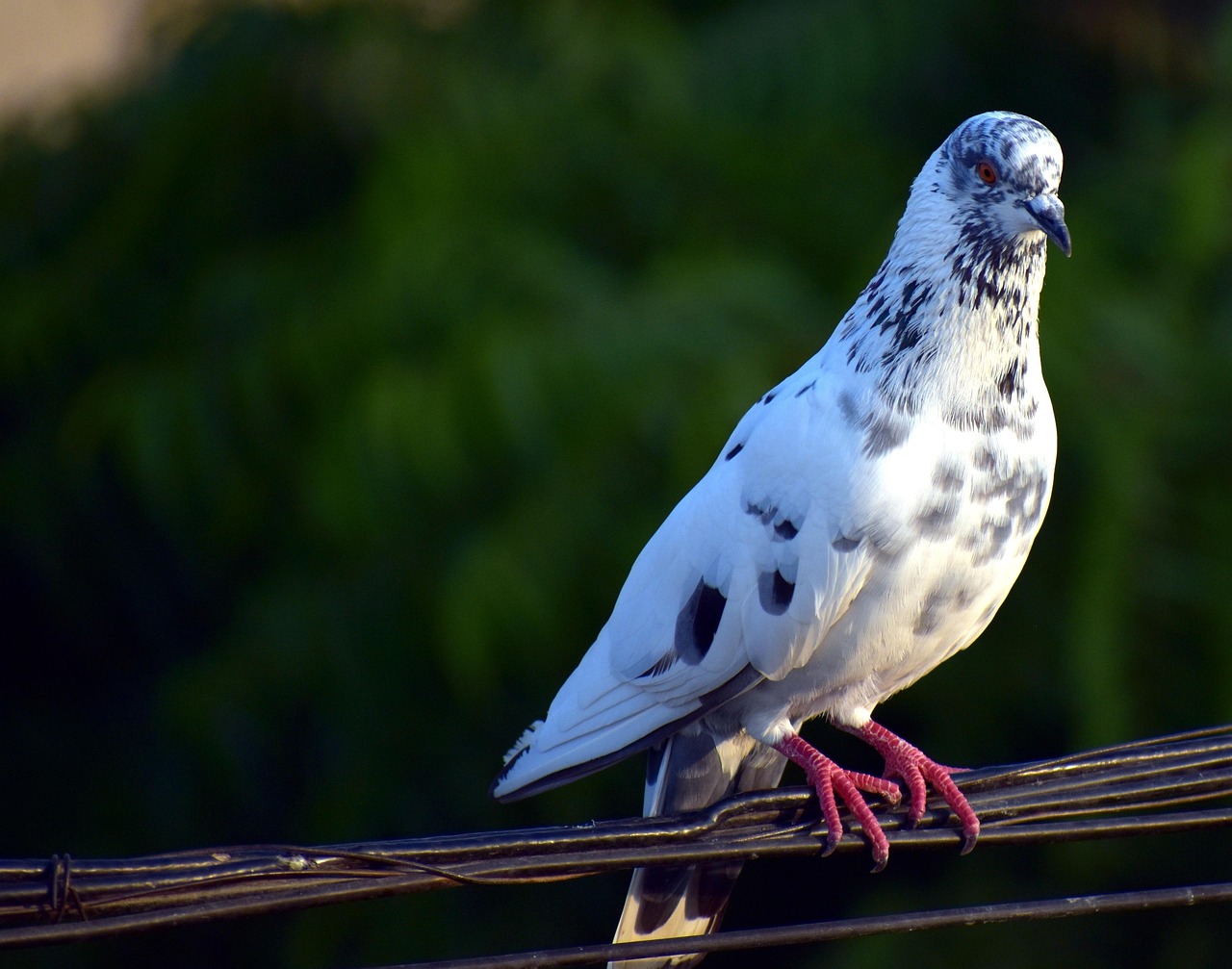
Feather quality is another critical specification for the King pigeon, with a focus on density, texture, and sheen. The breed boasts a thick, smooth plumage that provides insulation and enhances its visual appeal. Common color variations include white, black, blue, and red, often with patterns like bars or checks. In the Gulf, there is a particular preference for vibrant and uniform colors, as these are associated with health and breeding excellence.
The maintenance of feather quality requires proper nutrition and grooming, which are topics of frequent discussion among enthusiasts in the السوق الخليجي. Breeders recommend a diet rich in proteins and vitamins to support feather growth and luster. Regular bathing and dusting also help keep the plumage in prime condition, reducing the risk of parasites. For those trading in حمام كنجي, understanding these aspects can lead to better care practices and higher market value, as well-feathered birds often command premium prices.
Behavioral Traits and Temperament
The behavioral traits of the King pigeon play a significant role in its suitability for the السوق الخليجي. Known for its calm and docile nature, this breed is easy to handle, making it a favorite among both novice and experienced keepers. Its temperament influences not only daily care but also breeding success and participation in social events, where well-behaved birds are highly prized.
Social Behavior and Compatibility
King pigeons are generally social birds that thrive in flock settings, displaying minimal aggression towards other pigeons. This makes them ideal for communal aviaries, a common setup in the Gulf where space might be limited. Their peaceful demeanor reduces stress-related issues, promoting better health and productivity. In the السوق الخليجي, breeders often highlight this trait when marketing حمام كنجي, as it appeals to those looking for low-maintenance and harmonious additions to their collections.
Moreover, their compatibility extends to human interaction, as King pigeons tend to be curious and responsive to gentle handling. This makes them excellent for educational purposes or as pets, further broadening their appeal. Enthusiasts in the region appreciate birds that can be easily integrated into family environments, where children and adults alike can enjoy their presence. This behavioral aspect is a key selling point, driving demand in markets focused on both hobby and companionship.
Breeding and Parental Instincts
When it comes to breeding, King pigeons exhibit strong parental instincts, often being attentive and protective of their young. This trait is crucial for sustaining populations and ensuring healthy offspring, which is a priority in the السوق الخليجي where breeding programs are common. Breeders value birds that reliably hatch and raise chicks, as this reduces the need for intervention and increases success rates.
To optimize breeding outcomes, it's important to provide a stress-free environment with adequate nesting materials and space. King pigeons typically produce two eggs per clutch, with both parents sharing incubation and feeding duties. In the Gulf, where temperatures can fluctuate, maintaining stable conditions in breeding lofts is essential. By understanding these behavioral patterns, enthusiasts can better manage their حمام كنجي collections, leading to more robust and valuable birds in the competitive market.
Market Dynamics and Economic Factors
The السوق الخليجي for King pigeons is influenced by various economic factors, including pricing trends, supply chains, and consumer preferences. As demand for حمام كنجي continues to grow, understanding these dynamics can help stakeholders make informed decisions, whether they are buying, selling, or breeding these birds.
Pricing Trends and Value Determinants
Pricing for King pigeons in the Gulf varies based on factors such as age, color, lineage, and overall health. Premium birds with rare color patterns or proven breeding records can fetch prices ranging from $200 to over $1,000, depending on the market. The السوق الخليجي often sees fluctuations in pricing due to seasonal demand, with peaks during exhibition seasons or cultural festivals. Breeders and sellers need to stay updated on these trends to maximize their returns.
Value determinants also include the bird's conformation to breed standards, as judged in competitions. Birds that win awards or come from reputable breeders command higher prices, reflecting their perceived quality. In addition, the cost of maintenance, including feed and healthcare, impacts overall investment. For those involved in the حمام كنجي trade, balancing these factors is key to profitability, especially in a market where enthusiasts are willing to pay for excellence.
Supply Chains and Sourcing Challenges
The supply chain for King pigeons in the Gulf involves local breeders, importers, and online platforms, each with its own challenges. Local breeding is preferred for acclimatized birds, but it can be limited by genetic diversity and scale. Imports from other regions, such as Europe or Asia, offer variety but come with risks like disease transmission and adaptation issues. The السوق الخليجي has seen a rise in digital marketplaces, making it easier to source حمام كنجي, though buyers must exercise caution to avoid scams or poor-quality birds.
Challenges in sourcing include regulatory hurdles, such as quarantine requirements and health certifications, which can delay transactions. Breeders often collaborate to overcome these obstacles, sharing best practices and resources. By understanding the supply chain dynamics, participants in the market can navigate these challenges more effectively, ensuring a steady flow of high-quality King pigeons to meet the growing demand in the region.
Care and Maintenance Best Practices
Proper care and maintenance are vital for keeping King pigeons healthy and thriving in the السوق الخليجي. From diet to housing, these practices not only ensure the well-being of حمام كنجي but also enhance their value and longevity, making them more attractive to buyers and breeders alike.
Nutritional Requirements and Feeding Strategies
King pigeons require a balanced diet to support their large size and active metabolism. A mix of grains, seeds, and pellets is recommended, with supplements like grit and minerals for digestive health. In the Gulf, where temperatures can be high, ensuring access to fresh water is crucial to prevent dehydration. Breeders often tailor feeding schedules to match the birds' activity levels, with increased portions during breeding or molting periods.
Feeding strategies also involve monitoring for obesity, as King pigeons can gain weight easily if overfed. Regular weight checks and adjusted portions help maintain optimal health. For those in the السوق الخليجي, sharing nutritional tips can build community trust and improve overall flock management. By prioritizing diet, enthusiasts can produce healthier حمام كنجي that perform better in shows and breeding programs.
Housing and Environmental Management
Housing for King pigeons should provide ample space, ventilation, and protection from extreme weather. In the Gulf, where summers are hot, shaded lofts with cooling systems are essential to prevent heat stress. Cleanliness is paramount, with regular cleaning of perches, nests, and floors to reduce disease risk. Proper housing not only supports physical health but also behavioral well-being, reducing stress and promoting natural behaviors.
Environmental management includes controlling pests and predators, which are common challenges in the region. Using safe deterrents and secure enclosures can mitigate these risks. Additionally, providing enrichment items like perches and toys can keep birds engaged and happy. For participants in the السوق الخليجي, investing in quality housing pays off by producing more resilient and valuable حمام كنجي, ultimately driving higher demand and satisfaction among buyers.
Conclusion
In summary, the King pigeon (حمام كنجي) holds a special place in the السوق الخليجي due to its impressive specifications, cultural relevance, and economic potential. From its historical roots to its physical and behavioral traits, this breed offers a unique blend of beauty and practicality that appeals to a wide range of enthusiasts. By focusing on proper care, understanding market dynamics, and embracing best practices, stakeholders can thrive in this niche. For those looking to deepen their involvement, consider exploring tools like Ghawy – Pigeon Manager (غاوي – إدارة الحمام) to streamline management and enhance your pigeon-keeping experience.