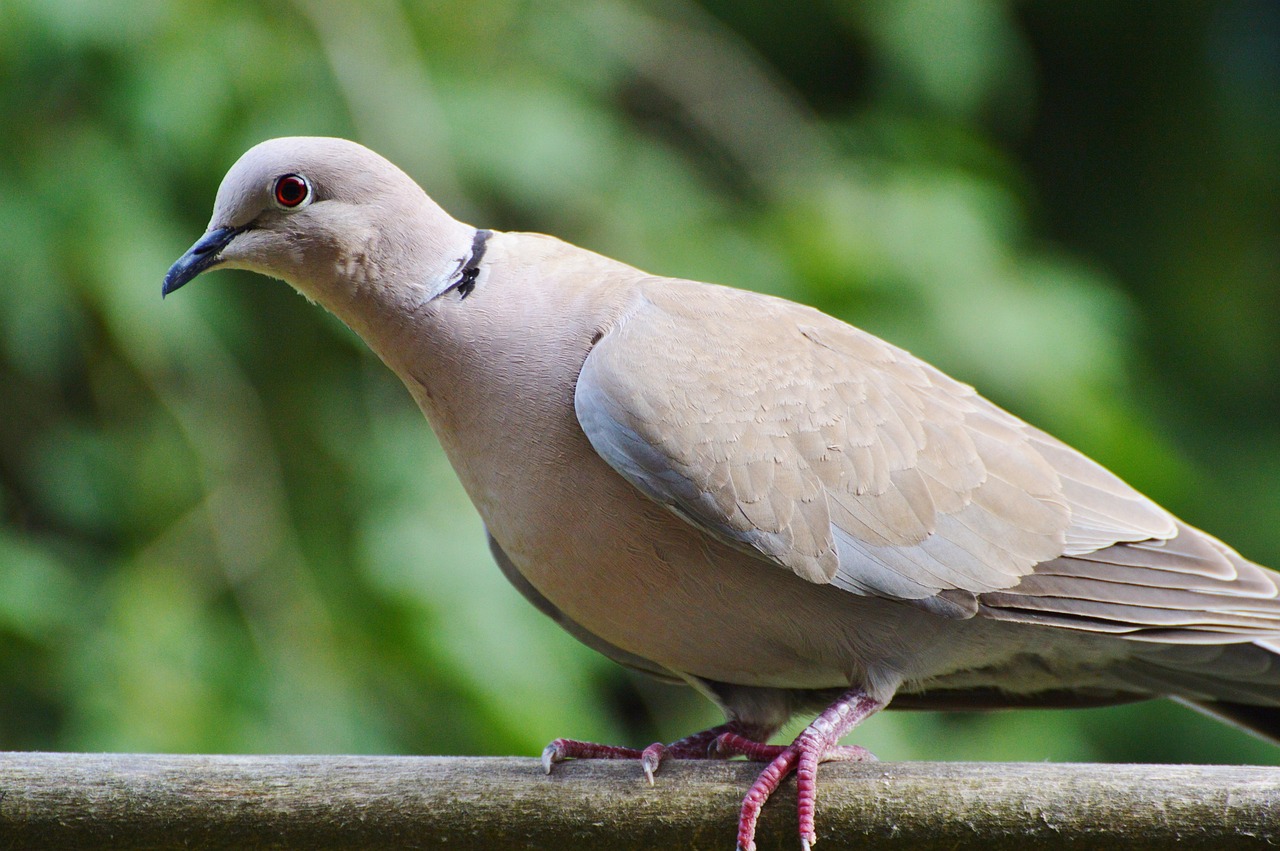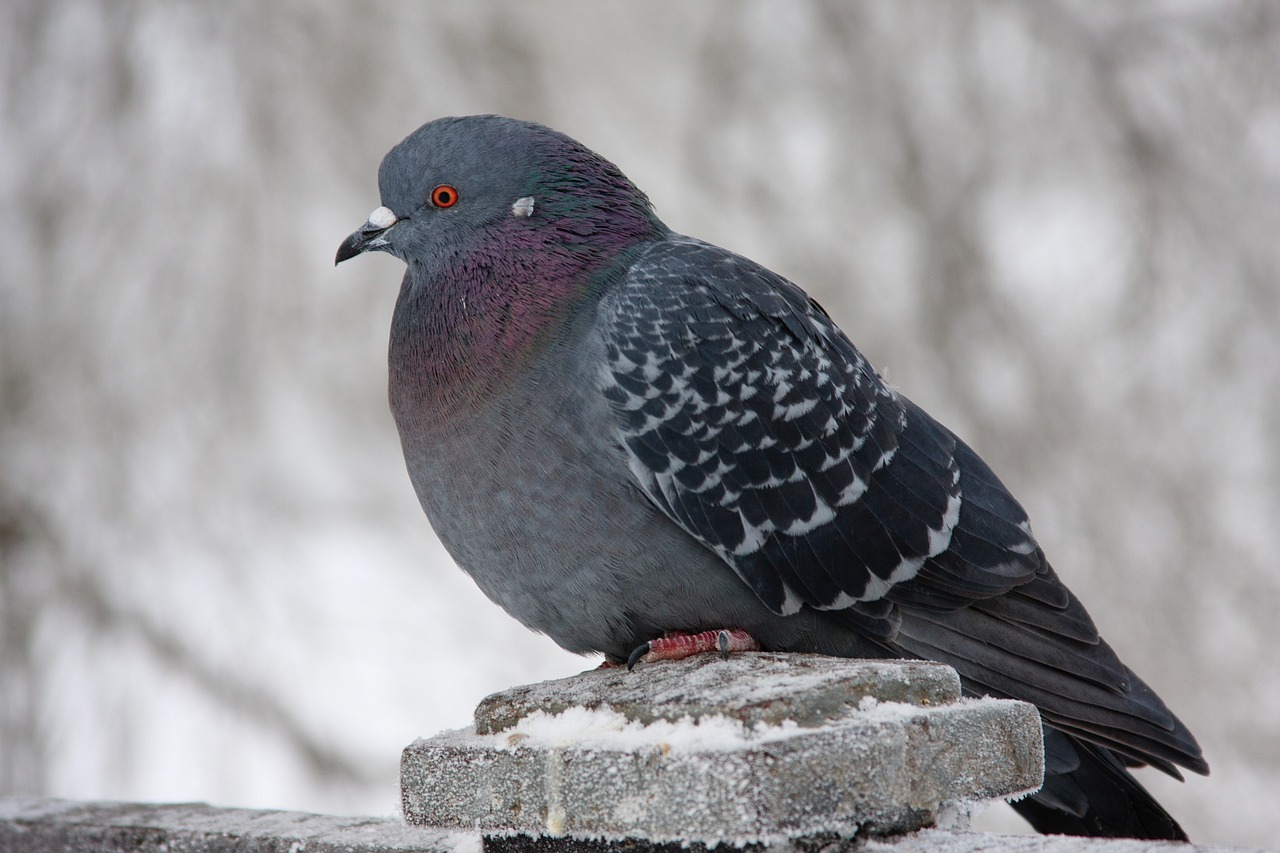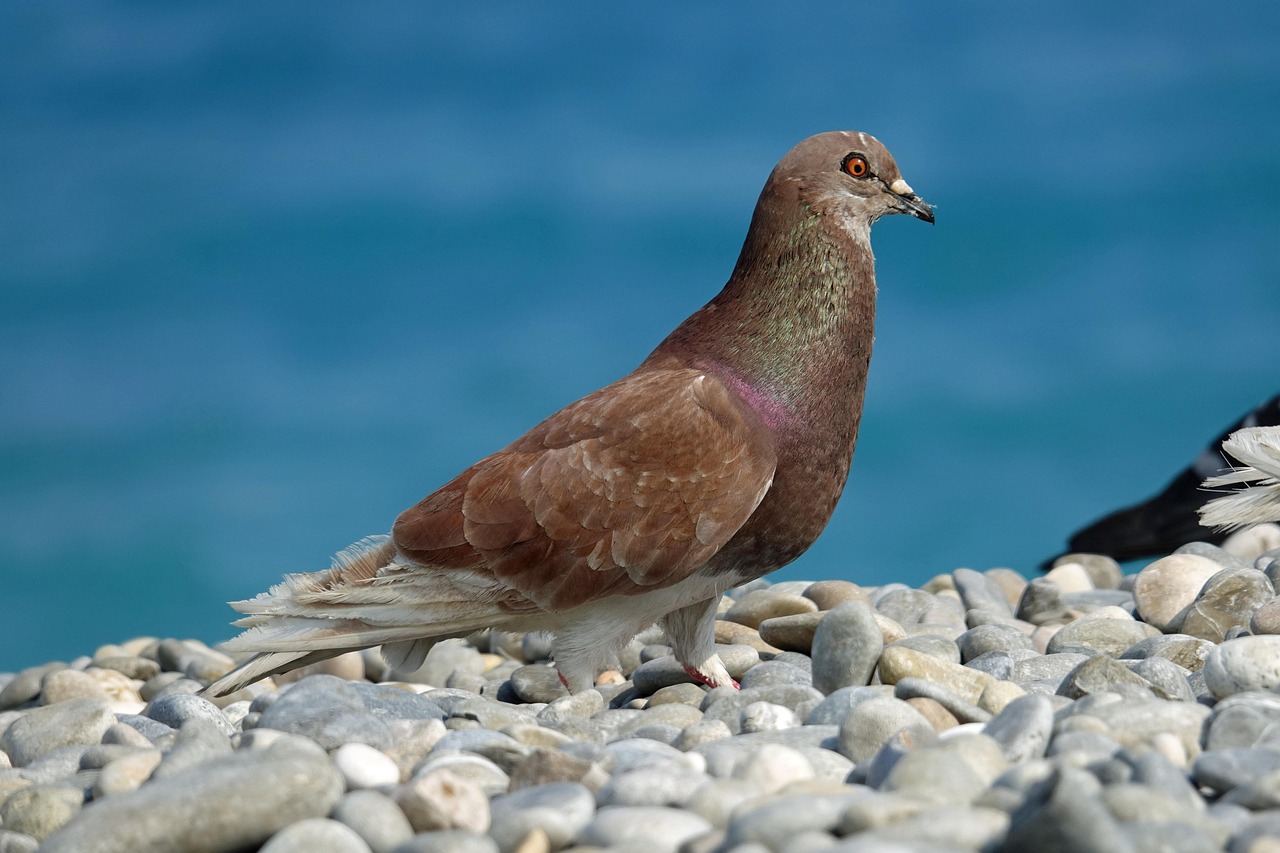
The King pigeon, known as 'حمام كنجي' in Arabic, has surged in popularity across the Gulf region, captivating breeders and enthusiasts with its majestic presence and unique characteristics. This article delves into the specifications and market dynamics driving its high demand in the السوق الخليجي, offering insights for both seasoned and aspiring pigeon keepers.
Understanding the King Pigeon Breed
The King pigeon, originally developed in the United States, has found a special place in the hearts of Gulf breeders due to its robust build and versatile nature. Unlike many ornamental breeds, it is prized for both meat production and exhibition, making it a dual-purpose asset in the pigeon world. In the السوق الخليجي, this adaptability has fueled its appeal, as enthusiasts seek breeds that offer practical benefits alongside aesthetic value. The breed's history and evolution highlight how it has been tailored to thrive in various environments, including the arid climates of the Gulf.
Physical Characteristics and Standards
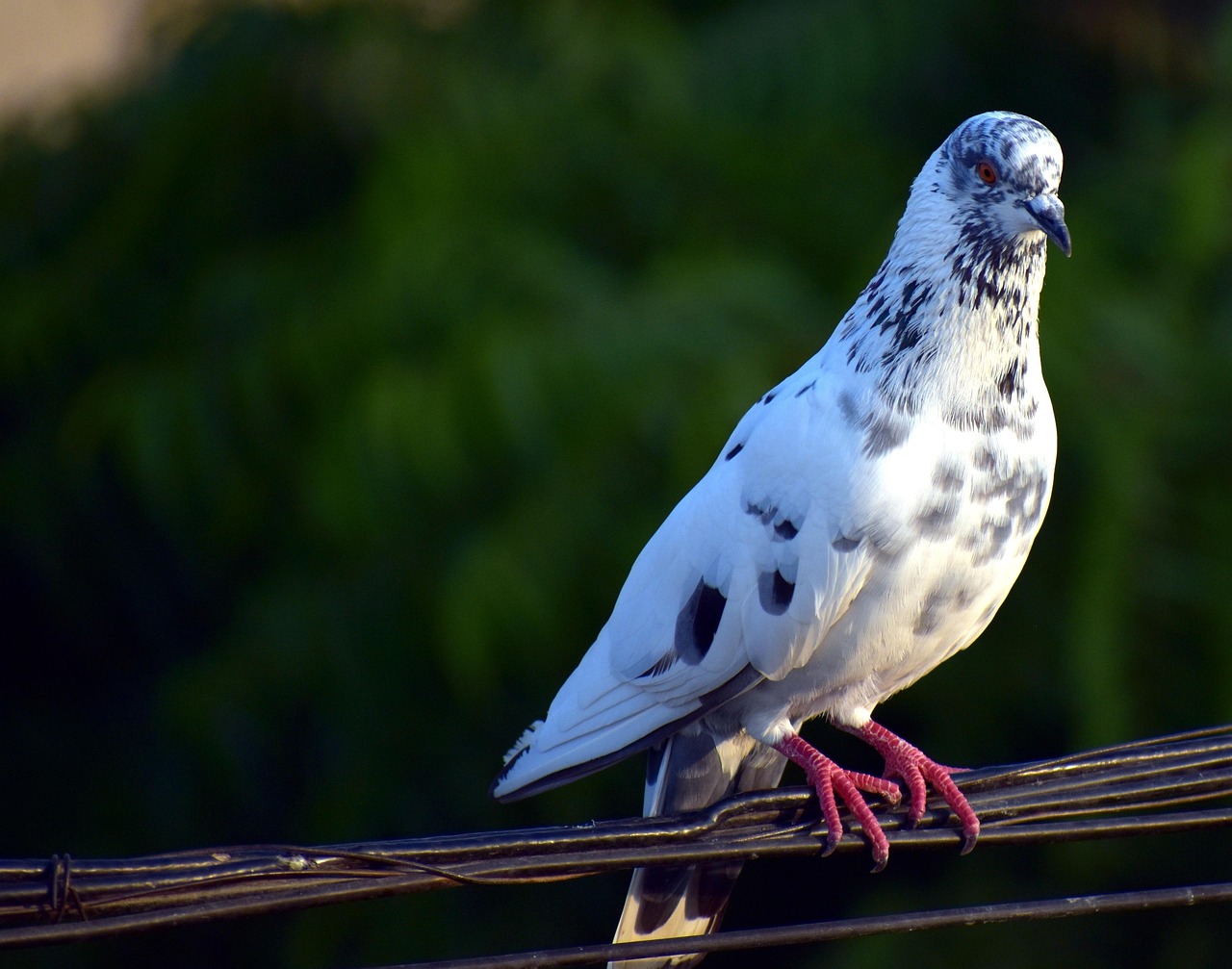
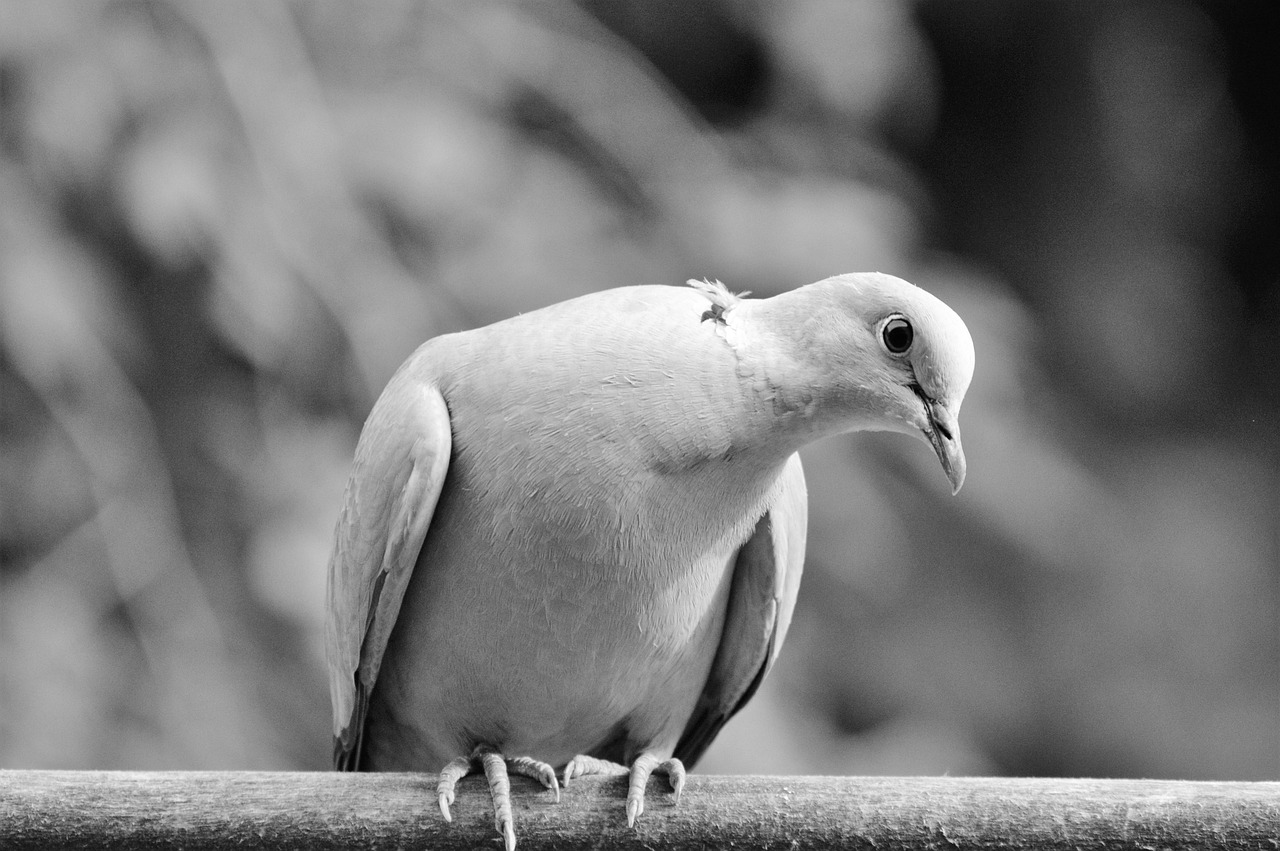
King pigeons are distinguished by their large, muscular bodies, typically weighing between 800 to 1,200 grams, which makes them one of the heavier pigeon breeds. They have a broad chest, short legs, and a compact appearance that exudes strength and vitality. Their feathers come in a variety of colors, including white, black, blue, and red, with a smooth, glossy texture that enhances their visual appeal. Breeders in the Gulf often prioritize specific color patterns that align with local preferences, such as pure white or striking combinations that stand out in competitions. The breed's head is rounded with bright, alert eyes, and its beak is strong and well-proportioned, contributing to its overall majestic look.
When evaluating a King pigeon, experts look for key standards such as body symmetry, feather quality, and posture. In the السوق الخليجي, these standards are often influenced by regional tastes, with a focus on birds that display vigor and health. Regular grooming and diet management are essential to maintain these physical traits, as Gulf climates can pose challenges like heat stress. By adhering to these standards, breeders ensure their حمام كنجي not only meets exhibition criteria but also remains resilient and productive, whether for breeding or commercial purposes.
Behavioral Traits and Temperament
King pigeons are known for their calm and docile temperament, making them easier to handle compared to more skittish breeds. This trait is particularly valued in the السوق الخليجي, where pigeon keeping often involves close interaction and training for shows or racing. They are social birds that thrive in flocks, displaying minimal aggression, which simplifies management in aviaries or lofts. Their intelligence allows them to adapt quickly to new environments, a crucial factor for breeders importing or relocating birds across the Gulf region.
In terms of behavior, King pigeons exhibit strong homing instincts and can be trained for short-distance flights, though they are primarily kept for their physical attributes. Breeders report that they are attentive parents, diligently caring for their squabs, which enhances their value for breeding programs. Understanding these behavioral traits helps enthusiasts in the Gulf optimize their care routines, ensuring that the حمام كنجي remains healthy and content. By fostering a stress-free environment, breeders can maximize the breed's potential, whether for exhibition, meat production, or as beloved pets in the vibrant pigeon community.
Market Dynamics in the Gulf Region
The demand for King pigeons in the السوق الخليجي has grown significantly over the past decade, driven by a combination of cultural appreciation and economic factors. Pigeon breeding is a cherished tradition in many Gulf countries, with events and competitions drawing large crowds and substantial investments. The King pigeon, with its impressive size and versatility, has become a status symbol among enthusiasts, often commanding high prices in auctions and private sales. This market growth reflects a broader trend of increasing interest in exotic and high-quality breeds across the region.
Factors Driving High Demand
Several key factors contribute to the high demand for حمام كنجي in the Gulf. Firstly, the breed's dual-purpose nature appeals to both hobbyists and commercial breeders, as it can be raised for meat production while also excelling in shows. In countries like Saudi Arabia, the UAE, and Qatar, where pigeon meat is considered a delicacy, this adds practical value. Secondly, the cultural significance of pigeons in Gulf societies cannot be overstated; they are often associated with heritage and prestige, making the King pigeon a desirable addition to any collection. Social media and online platforms have also played a role, allowing breeders to showcase their birds and connect with buyers across borders, thus expanding the market reach.
Economic factors, such as rising disposable incomes and investments in luxury hobbies, further fuel this demand. In the السوق الخليجي, it's not uncommon for top-quality King pigeons to sell for thousands of dollars, especially if they have won awards or come from renowned bloodlines. Breeders are increasingly focusing on genetic improvement and health standards to meet this demand, leading to a more competitive and sophisticated market. By understanding these drivers, enthusiasts can better navigate the opportunities and challenges, ensuring they acquire birds that offer both aesthetic and financial returns in this dynamic environment.
Challenges and Opportunities in the Market
Despite the booming demand, the market for King pigeons in the Gulf faces several challenges. One major issue is the risk of overbreeding, which can lead to genetic weaknesses and health problems if not managed carefully. Breeders must prioritize ethical practices, such as regular health checks and diverse breeding pairs, to maintain the breed's integrity. Additionally, logistical hurdles, like import regulations and climate adaptation, can complicate the acquisition of high-quality حمام كنجي from international sources. In the السوق الخليجي, extreme temperatures require specialized care, such as cooling systems in lofts, to prevent heat-related illnesses.
On the opportunity side, the growing interest in sustainable and local food sources presents a chance for breeders to tap into the meat production aspect of King pigeons. By promoting their birds as a source of lean, nutritious meat, they can appeal to health-conscious consumers in the Gulf. Furthermore, technological advancements, such as digital platforms for tracking pedigrees and sales, offer new ways to streamline operations and reach a wider audience. Collaborations with veterinary experts and breed associations can also enhance credibility and trust in the market. By addressing these challenges and leveraging opportunities, breeders can ensure the long-term sustainability and growth of the King pigeon trade in the region.
Care and Management Best Practices
Proper care and management are essential for maintaining the health and productivity of King pigeons, especially in the demanding conditions of the Gulf. A well-structured approach can help breeders maximize their investment and ensure their birds thrive. This section covers key aspects of housing, nutrition, and health maintenance, tailored to the unique needs of the حمام كنجي in the السوق الخليجي.
Housing and Environmental Considerations
King pigeons require spacious and secure housing to accommodate their large size and active nature. In the Gulf, where temperatures can soar, it's crucial to design lofts or aviaries with adequate ventilation and shade. Using materials like insulated panels and reflective coatings can help regulate indoor temperatures, preventing heat stress. The loft should be divided into sections for breeding, resting, and feeding, with perches and nesting boxes that support the birds' comfort. Regular cleaning is vital to prevent diseases, as humidity and dust can accumulate quickly in this region.
Environmental enrichment, such as providing toys or flight space, can also improve the well-being of King pigeons, reducing boredom and promoting natural behaviors. Breeders in the السوق الخليجي often incorporate automated systems for water and food distribution to ensure consistency and hygiene. By investing in quality housing, enthusiasts can create a safe haven for their حمام كنجي, enhancing their longevity and performance. This not only benefits the birds but also boosts the breeder's reputation in the competitive market, as healthy and happy pigeons are more likely to succeed in shows and breeding programs.
Nutritional Needs and Feeding Strategies
A balanced diet is fundamental for King pigeons to maintain their muscular build and overall health. In the Gulf, where natural forage may be limited, breeders must provide a mix of grains, seeds, and supplements. A typical diet includes corn, wheat, peas, and barley, enriched with vitamins and minerals to support feather quality and immune function. Protein is especially important for growing squabs and breeding pairs, so incorporating legumes or commercial pigeon feeds can be beneficial. Fresh water should be available at all times, with added electrolytes during hot months to prevent dehydration.
Feeding strategies should be tailored to the birds' life stages and activities. For example, exhibition birds may require higher energy diets before shows, while breeding pairs need extra nutrients during egg-laying and chick-rearing periods. In the السوق الخليجي, sourcing high-quality feed locally can be a challenge, so many breeders opt for imported or specialized products. By monitoring weight and health indicators, enthusiasts can adjust feeding routines to optimize growth and productivity. This proactive approach ensures that the حمام كنجي receives the nutrition it needs to thrive in the Gulf's unique environment, contributing to its high demand and success in the market.
Breeding and Genetic Improvement
Breeding King pigeons requires careful planning and knowledge of genetics to produce offspring that meet the high standards of the السوق الخليجي. This section explores techniques for selective breeding, genetic diversity, and raising healthy squabs, offering practical advice for enthusiasts looking to enhance their حمام كنجي collections.
Selective Breeding Techniques
Selective breeding involves choosing parent birds with desirable traits, such as size, color, and temperament, to pass on to the next generation. In the Gulf, where competition is fierce, breeders often focus on enhancing specific characteristics that align with market preferences. This might include breeding for larger body mass or more vibrant feather colors. Keeping detailed records of pedigrees and performance is essential to track genetic lines and avoid inbreeding, which can lead to health issues. By using tools like breeding charts and software, enthusiasts can make informed decisions that improve the overall quality of their King pigeons.
Another key technique is line breeding, which involves mating closely related birds to fix certain traits, but it must be done cautiously to maintain genetic health. In the السوق الخليجي, breeders may collaborate with experts or join associations to access better breeding stock and knowledge. Regular health screenings for common issues, such as respiratory infections or parasites, are also part of a responsible breeding program. By implementing these techniques, breeders can produce حمام كنجي that not only excel in shows but also contribute to the breed's long-term vitality, ensuring its continued popularity in the region.
Raising and Weaning Squabs
Raising squabs, or young pigeons, is a critical phase in breeding King pigeons. In the Gulf, where environmental conditions can be harsh, providing a nurturing environment is key to survival and growth. Squabs should be kept in warm, clean nests with ample food provided by their parents, who are typically diligent caregivers. Breeders can supplement this with hand-feeding if necessary, using specialized formulas to ensure proper nutrition. Monitoring growth rates and health signs, such as weight gain and feather development, helps identify any issues early on.
Weaning usually occurs at around 4-6 weeks of age, when squabs are able to eat solid food independently. During this transition, it's important to introduce them gradually to the adult diet and socialize them with other birds to reduce stress. In the السوق الخليجي, breeders often use this time to assess potential for shows or sales, based on the squabs' conformation and behavior. By following best practices in raising and weaning, enthusiasts can ensure a high survival rate and produce robust King pigeons that meet the demands of the market. This not only supports the breed's reputation but also fosters a sustainable breeding community in the Gulf.
Conclusion
The King pigeon, or حمام كنجي, stands out as a premier breed in the السوق الخليجي, valued for its physical prowess, temperament, and versatility. From understanding its specifications to navigating market dynamics and implementing best care practices, this guide has covered essential aspects for enthusiasts. By focusing on genetic improvement, ethical breeding, and tailored management, breeders can capitalize on the high demand while ensuring the breed's sustainability. For those looking to streamline their pigeon-keeping efforts, consider exploring tools like Ghawy – Pigeon Manager (غاوي – إدارة الحمام) to enhance organization and success in this rewarding hobby.