The Kashki pigeon, a distinguished member of the Arabian pigeon breeds, captivates enthusiasts with its unique blend of beauty and heritage. This article delves into the aesthetic allure and practical considerations for selecting these birds, offering insights into their characteristics and care. We'll explore the nuances that make the حمام كشكي a prized possession, balancing its عيوب ومميزات to help you make informed decisions.
The Enchanting World of Kashki Pigeons
Kashki pigeons, originating from the Arabian Peninsula, are celebrated for their striking appearance and cultural significance. These birds are not just pets but symbols of tradition, often featured in shows and breeding programs. Understanding their background sets the stage for appreciating their value in the pigeon community.
Historical and Cultural Significance
The history of Kashki pigeons is deeply intertwined with Arabian culture, where they have been bred for centuries for their aesthetic and symbolic qualities. In regions like Saudi Arabia and the UAE, these pigeons are often associated with prestige and are showcased in competitions that highlight their beauty. Their lineage reflects selective breeding practices aimed at enhancing specific traits, making them a living testament to avian artistry. This cultural heritage adds a layer of depth to owning Kashki pigeons, as they represent more than just birds—they are a connection to a rich past.
Beyond their historical roots, Kashki pigeons play a role in social gatherings and events, where enthusiasts gather to admire and discuss their features. This communal aspect fosters a sense of belonging among breeders, who share tips and stories about their birds. By understanding this context, you can better appreciate why the حمام كشكي holds such appeal, blending artistry with tradition in a way that few other breeds can match.
Physical Characteristics and Aesthetic Appeal
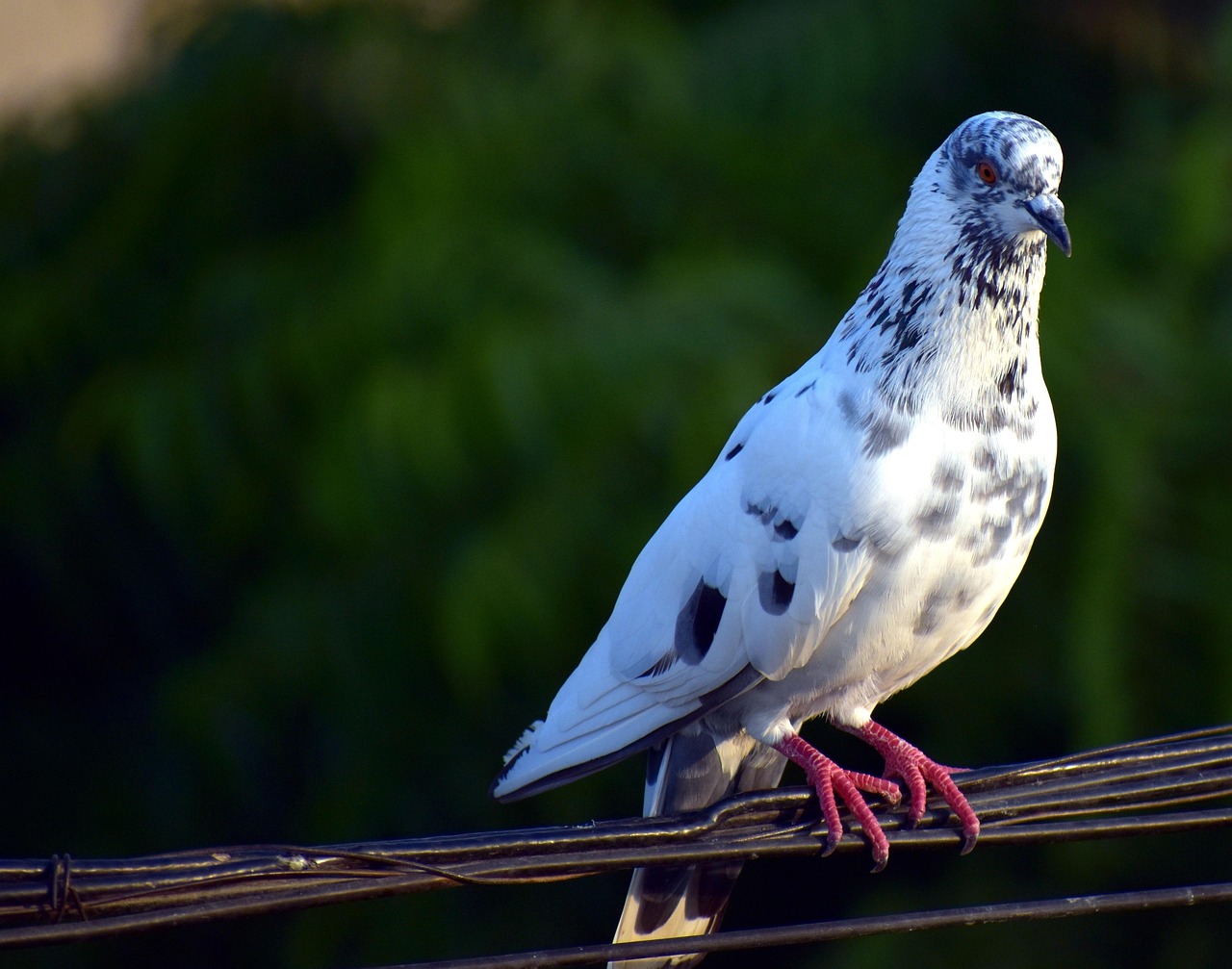
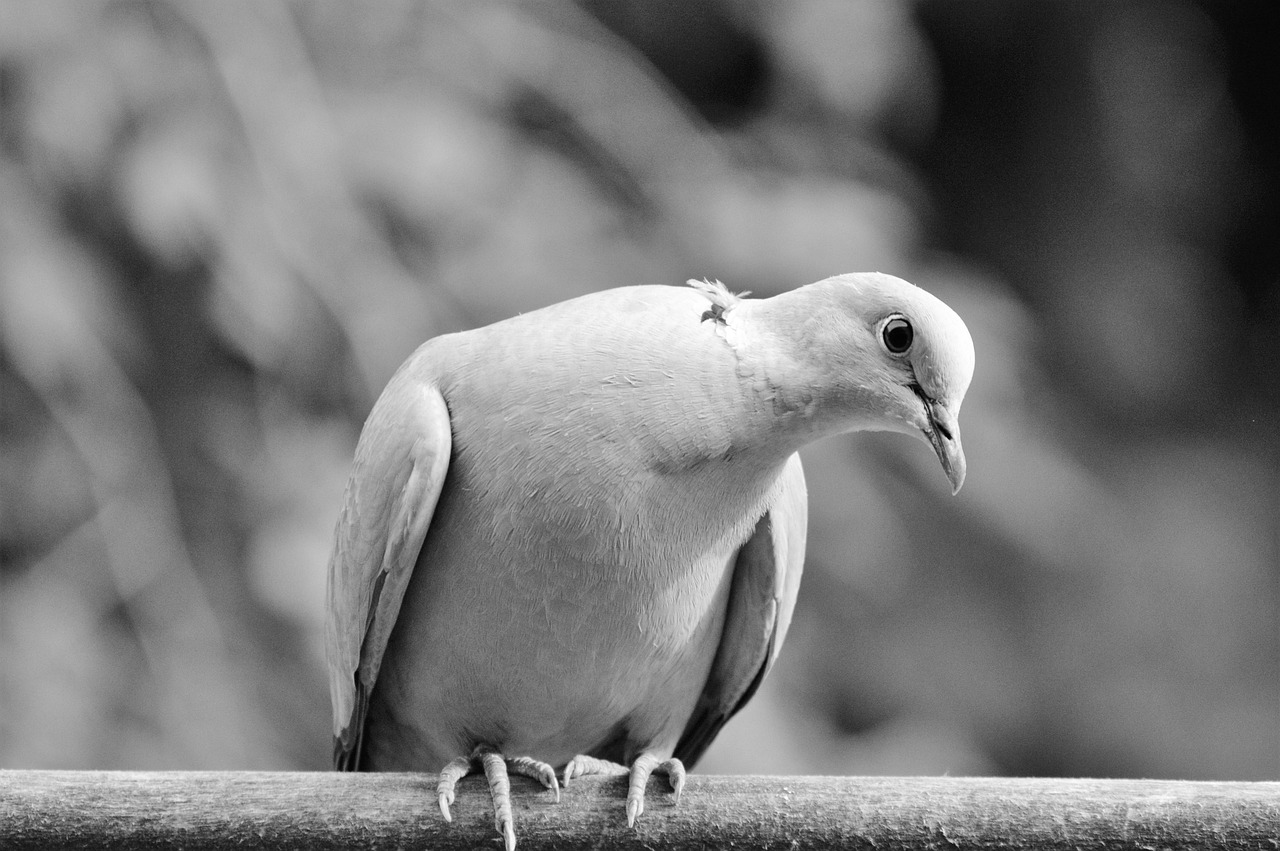
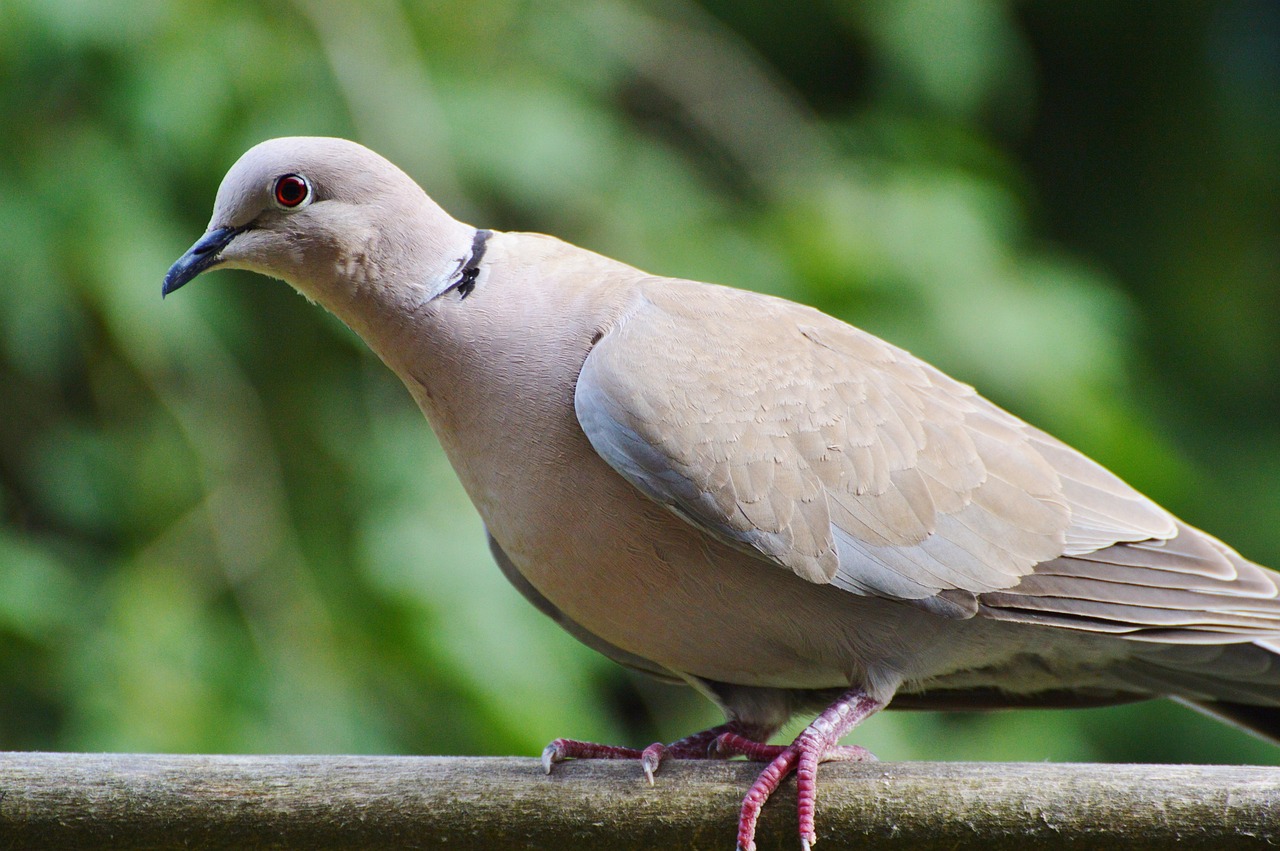
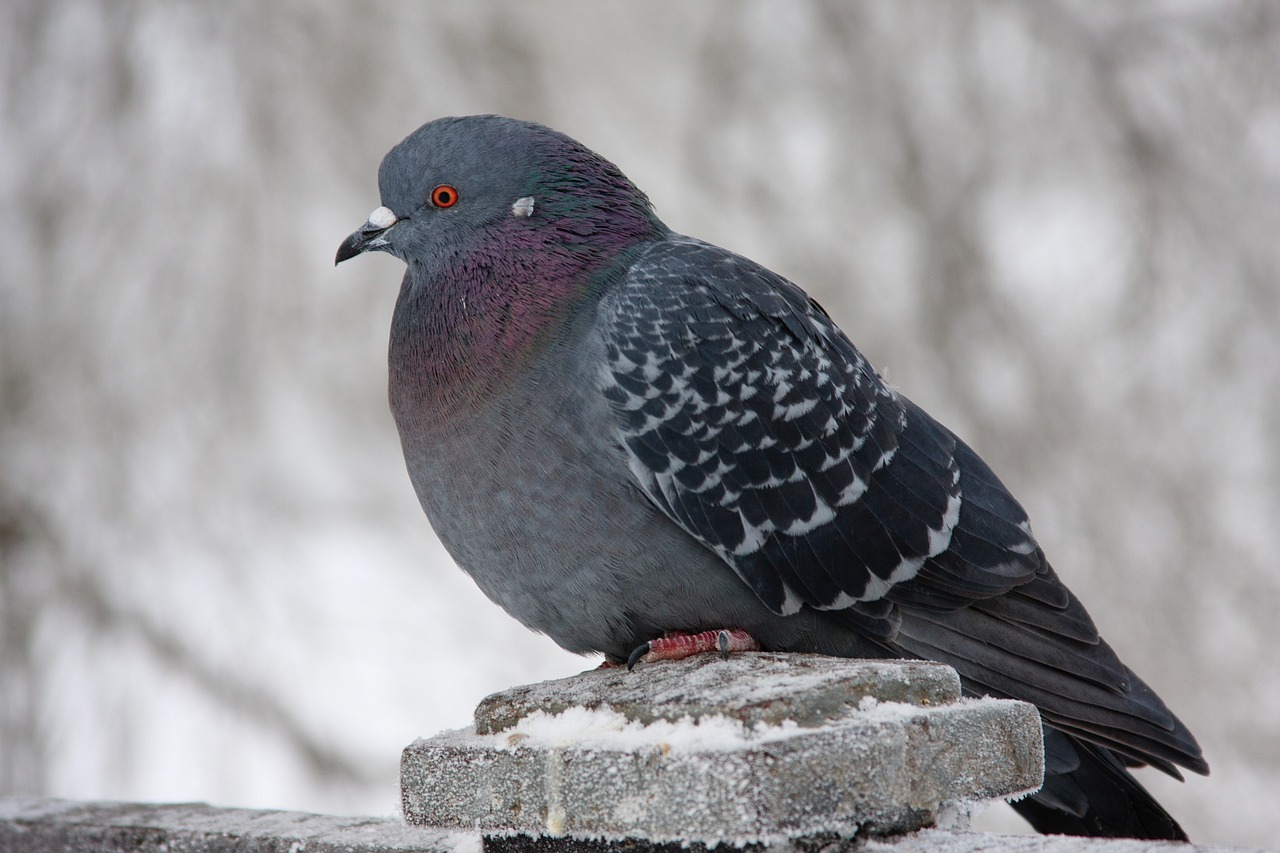
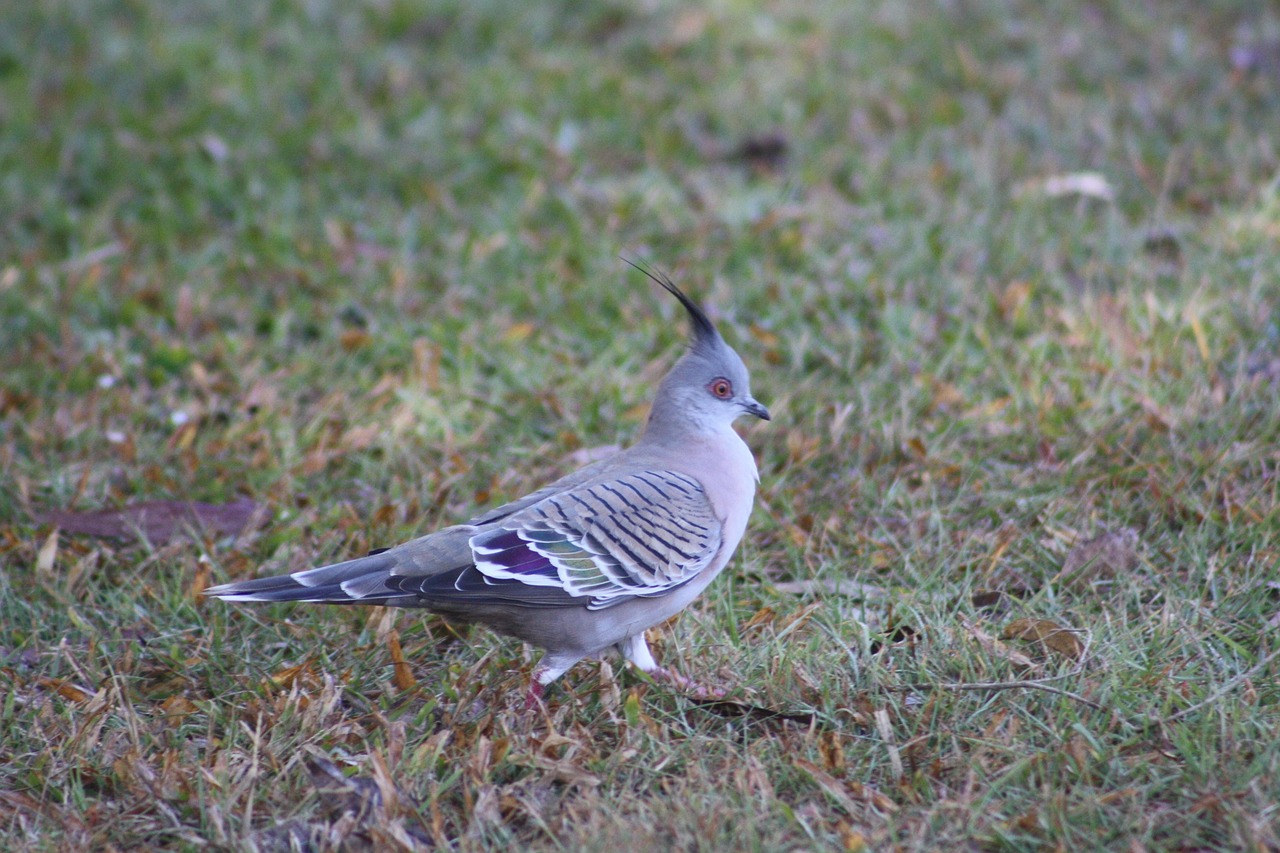
Kashki pigeons are renowned for their elegant physique, which includes a slender body, long neck, and distinctive feather patterns. Common color variations include white, black, and mixed shades, often with iridescent sheens that catch the light beautifully. Their eyes are typically bright and expressive, adding to their charismatic presence, while their beaks and legs are proportionate and well-defined. These physical traits contribute to their overall aesthetic, making them a favorite for visual appreciation in aviaries and shows.
When evaluating the aesthetic appeal of Kashki pigeons, breeders often look for symmetry and balance in their features. A well-proportioned bird with smooth feathering and vibrant colors is considered ideal, as it reflects good health and breeding quality. This focus on beauty is not just superficial; it ties into the breed's standards, which emphasize harmony in form. By paying attention to these details, you can select birds that not only look stunning but also embody the essence of the حمام كشكي, enhancing your collection with their graceful presence.
Advantages and Disadvantages of Kashki Pigeons
Every breed comes with its own set of strengths and weaknesses, and Kashki pigeons are no exception. In this section, we'll break down the عيوب ومميزات to provide a balanced view, helping you weigh the pros and cons before adding these birds to your flock. This analysis is crucial for making practical decisions that align with your goals as a breeder or enthusiast.
Key Advantages of Owning Kashki Pigeons
Kashki pigeons offer numerous benefits that make them a rewarding choice for pigeon keepers. Their aesthetic beauty is a primary advantage, as they add visual appeal to any aviary and are often show-stoppers in competitions. These birds are generally hardy and adaptable, thriving in various climates with proper care, which makes them suitable for beginners and experts alike. Additionally, their calm and gentle temperament makes them easy to handle, reducing stress during maintenance and breeding activities.
Another significant advantage is their breeding potential; Kashki pigeons are known for producing offspring with consistent traits, allowing breeders to maintain or improve desirable characteristics over generations. This predictability is valuable for those focused on lineage and quality. Moreover, their cultural value can enhance your reputation in the pigeon community, as owning well-bred Kashki pigeons signals dedication and expertise. By leveraging these مميزات, you can enjoy both the practical and aesthetic rewards of keeping this breed.
Common Disadvantages and Challenges
Despite their many strengths, Kashki pigeons have some drawbacks that require careful consideration. One common issue is their susceptibility to certain health problems, such as respiratory infections or feather mites, which can arise if housing conditions are not optimal. These birds may also be more expensive to acquire initially, especially if sourced from reputable breeders with high-quality stock. Additionally, their specific dietary and environmental needs can demand more attention and resources compared to hardier breeds.
Behavioral challenges can include occasional skittishness or aggression during breeding seasons, which might require extra management to ensure harmony in mixed flocks. Furthermore, finding authentic Kashki pigeons with pure lineage can be difficult, as the market sometimes has mixed or mislabeled birds. By being aware of these عيوب, you can proactively address them through proper care and sourcing, minimizing risks and ensuring a positive experience with your حمام كشكي.
Selecting the Right Kashki Pigeon: A Step-by-Step Guide
Choosing a Kashki pigeon involves more than just picking a pretty bird; it requires a methodical approach to ensure health, quality, and compatibility. This guide walks you through the essential criteria, from physical inspections to behavioral assessments, helping you make confident selections. By following these steps, you can avoid common pitfalls and build a thriving flock of Kashki pigeons.
Evaluating Health and Vitality
Health should be your top priority when selecting a Kashki pigeon, as it directly impacts longevity and breeding success. Start by observing the bird's overall condition: look for clear, bright eyes, clean nostrils, and smooth, well-groomed feathers without signs of parasites or damage. Check for any limping or unusual posture, which could indicate underlying issues, and listen for normal breathing sounds without wheezing or coughing. A healthy Kashki pigeon will be active and alert, showing curiosity in its surroundings rather than lethargy or fear.
In addition to visual checks, inquire about the bird's medical history, including vaccinations and deworming treatments, if available from the breeder. It's also wise to request a health certificate or have a veterinarian examine the bird before purchase, especially for high-value specimens. By prioritizing health, you reduce the risk of introducing diseases to your existing flock and ensure that your حمام كشكي starts off on the right foot, ready to thrive in its new home.
Assessing Breed Standards and Lineage
To select a high-quality Kashki pigeon, familiarize yourself with the breed standards that define ideal traits, such as specific color patterns, body proportions, and feather quality. Compare potential birds against these benchmarks, looking for consistency in features that align with recognized guidelines. This assessment helps you identify birds that not only look good but also meet the criteria for shows or breeding programs, enhancing their value and potential.
Lineage is equally important, as it provides insight into genetic health and trait inheritance. Ask breeders for pedigree information or documentation that traces the bird's ancestry, ensuring it comes from reputable lines with a history of producing quality offspring. This step minimizes the risk of genetic disorders and increases the likelihood of desirable traits in future generations. By combining standards and lineage checks, you can make informed choices that support the long-term success of your حمام كشكي collection.
Care and Maintenance for Optimal Health
Proper care is essential for keeping Kashki pigeons healthy and vibrant, covering aspects like diet, housing, and routine management. This section provides actionable tips to create an optimal environment, addressing common challenges and promoting well-being. With consistent care, your Kashki pigeons can flourish, showcasing their beauty and vitality for years to come.
Nutritional Needs and Feeding Practices
Kashki pigeons require a balanced diet to maintain their health and aesthetic qualities, typically consisting of high-quality pigeon feed, grains, and supplements. A mix of seeds, legumes, and pellets provides essential nutrients, while fresh water should always be available. Consider adding vitamins or minerals, especially during breeding or molting seasons, to support feather growth and immune function. Avoid overfeeding or relying on low-quality food, as this can lead to obesity or nutritional deficiencies.
Feeding practices should include regular schedules and portion control to prevent waste and ensure all birds get adequate nutrition. Monitor their eating habits and adjust diets based on activity levels and health status, consulting a veterinarian if needed. By prioritizing nutrition, you help your حمام كشكي stay in peak condition, enhancing their appearance and reducing the risk of health issues related to poor diet.
Housing and Environmental Considerations
A suitable living environment is crucial for Kashki pigeons, as it affects their comfort, safety, and overall health. Design aviaries or lofts that provide ample space for flying and perching, with good ventilation to prevent respiratory problems. Ensure the housing is secure from predators and weather extremes, using materials that are easy to clean and disinfect. Regular maintenance, such as removing droppings and replacing bedding, helps prevent disease and keeps the area hygienic.
Environmental factors like temperature and lighting also play a role; Kashki pigeons thrive in moderate climates, so provide shade in hot weather and insulation in cold conditions. Incorporate enrichment items, such as perches or toys, to stimulate mental and physical activity. By creating a well-maintained habitat, you support the well-being of your حمام كشكي, allowing them to express their natural behaviors and maintain their aesthetic appeal.
Breeding Kashki Pigeons: Strategies for Success
Breeding Kashki pigeons can be a rewarding endeavor, but it requires knowledge and planning to achieve desirable outcomes. This section explores best practices for pairing, nesting, and raising chicks, focusing on enhancing traits and managing challenges. Whether you're a novice or experienced breeder, these insights can help you navigate the breeding process effectively.
Pairing and Genetic Planning
Successful breeding starts with careful pairing of Kashki pigeons, considering factors like health, temperament, and genetic compatibility. Select birds that complement each other's traits, aiming to strengthen desirable characteristics such as color or body shape while minimizing weaknesses. Use pedigree information to avoid inbreeding, which can lead to health issues, and consider introducing new bloodlines periodically to maintain genetic diversity. This strategic approach increases the chances of producing high-quality offspring that meet breed standards.
Before breeding, ensure both birds are in optimal health and condition, providing a balanced diet and stress-free environment to encourage mating. Monitor their interactions to confirm compatibility, as aggressive or disinterested pairs may need adjustment. By planning genetically and behaviorally, you set the stage for successful breeding cycles, ultimately enhancing your flock's quality and the legacy of your حمام كشكي.
Nesting and Chick Rearing
Once paired, Kashki pigeons need suitable nesting areas to lay eggs and raise chicks. Provide clean, secluded nests with soft bedding, and check regularly for eggs, which typically hatch within 17-19 days. During this period, maintain a quiet and stable environment to reduce stress on the parents, who will take turns incubating and feeding the young. Ensure access to nutritious food and water to support the increased demands of rearing.
After hatching, monitor the chicks for growth and health, intervening only if necessary, such as in cases of neglect or illness. As they mature, gradually introduce them to solid food and socialize them with other birds to develop good habits. This hands-on yet respectful approach fosters strong, healthy chicks that carry forward the best traits of the حمام كشكي, contributing to a sustainable breeding program.
Conclusion
In summary, Kashki pigeons offer a unique blend of aesthetic beauty and cultural heritage, making them a valuable addition to any enthusiast's collection. By understanding their عيوب ومميزات, selecting birds with care, and providing proper maintenance, you can enjoy the rewards of keeping these majestic birds. Remember to leverage tools like Ghawy – Pigeon Manager (غاوي – إدارة الحمام) for streamlined management, ensuring your حمام كشكي thrives in a well-organized environment. Embrace the journey of pigeon keeping with confidence, and let these birds inspire your passion for avian excellence.