The Old German Owl pigeon is a beloved show breed known for its elegant appearance and gentle nature, with standards that define its ideal characteristics. In this article, we explore these standards in detail, providing examples from the Arab pigeon market to help enthusiasts understand and apply them. Whether you're a breeder or admirer, this guide offers actionable insights for appreciating and improving this stunning breed.
Introduction to Old German Owl Pigeons
Old German Owl pigeons, often referred to simply as Old German Owls, are a classic show pigeon breed originating from Germany, prized for their distinctive owl-like head and calm demeanor. These birds have gained popularity worldwide, including in Arab countries, where pigeon keeping is a cherished tradition. Understanding their standards is crucial for breeders aiming to excel in competitions and maintain breed purity. This section introduces the breed's history and significance, setting the stage for a deep dive into its specific traits.
Historical Background and Breed Origins
The Old German Owl pigeon traces its roots back to 19th-century Germany, where it was developed through selective breeding from older owl pigeon varieties. Initially bred for their aesthetic appeal and docile temperament, they quickly became favorites in pigeon shows across Europe. In the Arab world, these pigeons were introduced through trade and cultural exchanges, blending with local pigeon-keeping practices. For instance, in countries like Egypt and Saudi Arabia, breeders have adapted Old German Owls to local conditions while preserving core standards. This historical context highlights how the breed has evolved, emphasizing the importance of adhering to established guidelines to maintain its unique identity and value in the global and Arab markets.
General Characteristics and Breed Appeal
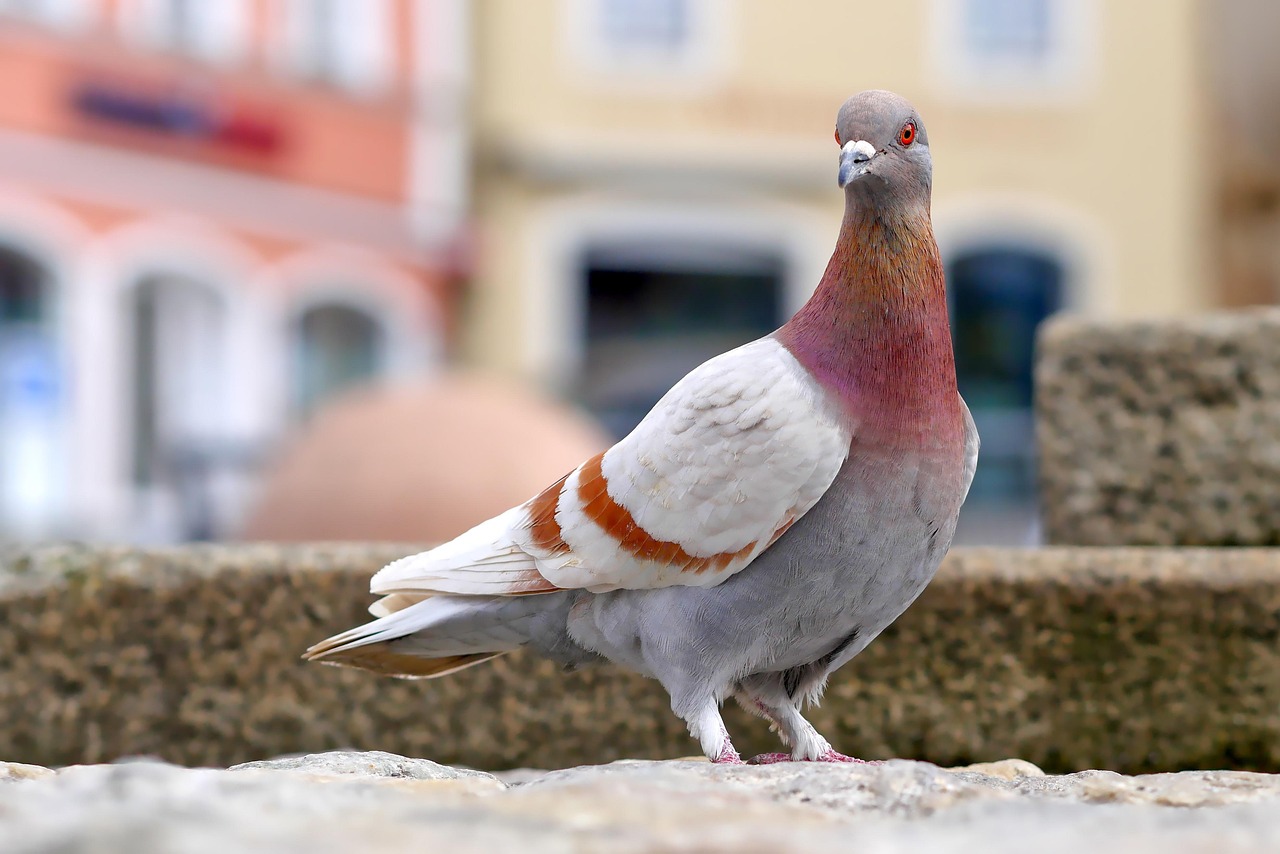
Old German Owl pigeons are characterized by their compact body, broad chest, and prominent, rounded head that gives them an owl-like appearance, which is a key feature in show pigeon standards. They typically exhibit a friendly and calm disposition, making them ideal for both exhibition and as pets. In the Arab pigeon market, these traits are highly valued, with breeders often focusing on birds that display strong conformation and vibrant feather colors. For example, in markets in the UAE, you might find Old German Owls with rich color patterns that appeal to local aesthetics, yet they must still meet international standards for body shape and size. This blend of beauty and temperament makes the breed a standout choice, encouraging enthusiasts to invest in quality stock and proper care practices.
Detailed Standards for Old German Owl Pigeons
Adhering to show pigeon standards is essential for success in competitions and breeding programs, as it ensures consistency and quality in the Old German Owl breed. These standards cover various aspects, from physical structure to feather quality, and are defined by international pigeon associations. In this section, we break down the key criteria, providing clear explanations and how they apply in real-world scenarios, including examples from Arab regions where breeders strive to meet these benchmarks. By understanding these details, you can better evaluate and improve your pigeons, whether for shows or personal enjoyment.
Head and Beak Standards
The head of an Old German Owl pigeon should be broad, rounded, and well-proportioned, with a distinct owl-like appearance that includes a short, stout beak and large, expressive eyes. According to show pigeon standards, the beak must be dark and blend seamlessly with the head, without any protrusions or irregularities. In the Arab market, breeders often emphasize head quality, as seen in pigeons from Jordan, where top specimens exhibit perfectly rounded heads that meet international criteria. For instance, a top-tier Old German Owl in a Saudi Arabian show might have a head that measures precisely to standard dimensions, ensuring it scores high in judging. Maintaining these head traits requires selective breeding and regular health checks, as deviations can lead to disqualification in competitions, highlighting the need for attention to detail in breeding programs.
Body Conformation and Size
Body conformation for Old German Owl pigeons involves a compact, well-balanced frame with a broad chest, short back, and strong wings that lie close to the body, as per show pigeon standards. The ideal size is medium, with specific measurements for length and weight to ensure agility and elegance. In Arab countries like Qatar, breeders focus on achieving this balance, often using local examples where pigeons display optimal body proportions that align with global guidelines. For example, a champion Old German Owl from a Kuwaiti loft might have a body length of around 28-30 cm, meeting standard requirements and impressing judges with its symmetry. This emphasis on conformation not only enhances show performance but also promotes overall health, as well-proportioned birds are less prone to injuries and better suited for breeding, making it a critical aspect for enthusiasts to monitor and improve.
Feather and Color Standards
Feather quality and color are vital components of Old German Owl standards, influencing both aesthetic appeal and breed purity in show pigeon evaluations. The feathers should be smooth, tight, and free from defects, with specific color patterns that are recognized and preferred in competitions. This section delves into the details of these standards, illustrating how they are applied in breeding and showing, with references to the Arab market where color variations can add unique value. By mastering these elements, breeders can enhance their pigeons' competitiveness and preserve the breed's distinctive look.
Accepted Color Patterns and Markings
Old German Owl pigeons come in a variety of accepted color patterns, including self-colors like black, blue, and red, as well as marked varieties such as bars and checks, all defined by show pigeon standards. These colors must be vibrant and evenly distributed, with no fading or mismarking that could detract from the bird's appearance. In the Arab pigeon scene, breeders in places like Oman often showcase pigeons with rich, deep hues that meet these criteria, such as a blue-barred Old German Owl that stands out in local exhibitions. For instance, a top example from a Bahraini breeder might feature a flawless red self-color, adhering to standards and attracting high bids in markets. Understanding these color requirements helps breeders select and pair birds effectively, ensuring offspring inherit desirable traits and maintain the breed's visual integrity, which is essential for success in both regional and international shows.
Feather Texture and Condition
The texture of an Old German Owl's feathers should be silky and resilient, lying flat against the body without any ruffling or gaps, as specified in show pigeon standards. Good feather condition is crucial for protection and insulation, and it reflects overall health and care. In Arab regions, such as in Lebanon, breeders prioritize feather maintenance through proper diet and housing, resulting in pigeons with impeccable plumage that meets judging criteria. For example, an Old German Owl from a Syrian loft might have feathers so smooth and well-groomed that it excels in shows, demonstrating the importance of regular grooming and nutrition. This focus on feather quality not only boosts show scores but also contributes to the bird's well-being, as healthy feathers reduce the risk of diseases and improve longevity, making it a key area for breeders to invest in through consistent management practices.
Behavioral and Health Standards
Beyond physical traits, behavioral and health standards are integral to Old German Owl pigeons, affecting their suitability for shows and breeding in the show pigeon community. These standards encompass temperament, activity levels, and overall vitality, ensuring birds are not only beautiful but also robust and manageable. In this section, we explore these aspects, with examples from the Arab market where breeders emphasize health and behavior to produce top-quality pigeons. By addressing these factors, you can raise pigeons that thrive in various environments and excel in competitive settings.
Temperament and Handling Ease
Old German Owl pigeons are known for their docile and friendly temperament, which is a key standard in show pigeon evaluations, as calm birds are easier to handle and present in competitions. They should exhibit minimal aggression and adapt well to human interaction, making them ideal for enthusiasts of all levels. In the Arab pigeon market, breeders in countries like Egypt often select for temperament, with examples of Old German Owls that are so gentle they can be handled by children during local events. For instance, a pigeon from a Moroccan breeder might demonstrate perfect calmness during judging, enhancing its appeal and value. Focusing on temperament through selective breeding and socialization not only improves show performance but also enriches the keeping experience, as well-behaved pigeons are more enjoyable to care for and less stressful to manage, highlighting the importance of this standard in overall breed quality.
Health and Vitality Requirements
Health standards for Old German Owl pigeons include freedom from diseases, good appetite, and active behavior, as per show pigeon guidelines, ensuring birds are fit for breeding and exhibition. Regular veterinary checks and a balanced diet are essential to maintain vitality and prevent common issues like respiratory problems or parasites. In Arab regions, such as in the UAE, breeders implement strict health protocols, resulting in pigeons that meet these standards and perform well in shows. For example, an Old German Owl from a Qatari aviary might show excellent health with bright eyes and energetic movements, reflecting proper care and adherence to standards. Emphasizing health not only safeguards the breed's future but also boosts market value, as healthy pigeons are more likely to reproduce successfully and win awards, making it a fundamental aspect for breeders to prioritize through proactive management and education.
Breeding and Selection Practices
Effective breeding and selection are crucial for maintaining Old German Owl standards, as they ensure the propagation of desirable traits and the elimination of defects in show pigeon lines. This involves careful pairing, record-keeping, and understanding genetic principles to achieve consistency and improvement. In this section, we discuss best practices, with insights from the Arab market where breeders have developed unique approaches to uphold these standards. By applying these methods, you can build a strong breeding program that produces high-quality pigeons for shows and sales.
Selective Breeding for Standard Traits
Selective breeding for Old German Owl pigeons focuses on enhancing key standard traits such as head shape, body conformation, and color patterns, using show pigeon guidelines to guide pairings. Breeders should choose parents with proven excellence in these areas, avoiding birds with flaws to prevent genetic issues. In the Arab pigeon community, examples from Saudi Arabia show how breeders use pedigree analysis to select pairs, resulting in offspring that meet or exceed standards. For instance, a breeding pair in Jordan might produce chicks with ideal owl-like heads and vibrant feathers, thanks to careful selection based on previous show results. This practice not only improves breed quality over generations but also increases the likelihood of success in competitions, as consistently bred pigeons are more predictable and valued, underscoring the need for patience and expertise in breeding endeavors.
Record-Keeping and Pedigree Management
Maintaining detailed records and pedigrees is essential for tracking the lineage and traits of Old German Owl pigeons, supporting adherence to show pigeon standards and informed breeding decisions. This includes documenting health history, show performances, and genetic data to identify patterns and avoid inbreeding. In Arab markets, breeders in places like Kuwait often use digital tools to manage pedigrees, with examples of lofts that have produced multiple champion pigeons through systematic record-keeping. For example, a breeder in Egypt might use a database to trace the ancestry of their Old German Owls, ensuring they maintain pure lines and standard compliance. This approach not only fosters transparency and trust among buyers but also accelerates genetic progress, as well-documented pedigrees help breeders make smarter choices, ultimately leading to healthier and more competitive pigeons in the long run.
Examples from the Arab Pigeon Market
The Arab pigeon market offers rich examples of how Old German Owl standards are applied and adapted, reflecting local preferences and innovations while maintaining core show pigeon criteria. From high-profile shows to everyday breeding, these instances provide practical insights for enthusiasts. In this section, we highlight specific cases from various Arab countries, illustrating successes and lessons learned. By studying these examples, you can gain inspiration and avoid common pitfalls in your own pigeon-keeping journey.
Notable Shows and Competitions
Notable pigeon shows in the Arab world, such as those in Dubai, Cairo, and Riyadh, frequently feature Old German Owl pigeons that exemplify high standards, with judges evaluating them based on strict show pigeon criteria. These events attract top breeders and buyers, showcasing pigeons that meet or exceed expectations in head shape, color, and behavior. For instance, at a recent show in the UAE, an Old German Owl won top honors for its perfect conformation and vibrant blue-barred pattern, demonstrating how Arab breeders achieve excellence. This example highlights the competitive nature of these markets and the importance of adhering to standards for success. Participating in such shows not only provides recognition but also opportunities for networking and learning, as breeders exchange tips and trends, making it a valuable aspect of the pigeon-keeping community in the region.
Market Trends and Buyer Preferences
Market trends in the Arab pigeon scene often influence how Old German Owl standards are perceived and pursued, with buyers showing preferences for certain colors or traits that align with show pigeon guidelines. For example, in Saudi Arabia, there is a growing demand for pigeons with unique color mutations that still meet standard specifications, such as dilute shades or pied patterns. A specific case from Oman involves a breeder who successfully sold Old German Owls with exceptional feather quality, catering to buyers seeking show-ready birds. This trend underscores the need for breeders to stay updated on market dynamics while坚守 standards, as balancing innovation with tradition can lead to higher sales and satisfaction. By understanding these preferences, you can tailor your breeding efforts to meet demand, ensuring your pigeons are not only standard-compliant but also commercially viable in the vibrant Arab market.
Conclusion
In summary, the Old German Owl pigeon standards encompass detailed criteria for head, body, feathers, behavior, and health, essential for excelling in show pigeon competitions and breeding. By exploring examples from the Arab market, we see how these standards are applied in diverse contexts, from selective breeding in Jordan to health management in the UAE. Adhering to these guidelines ensures breed purity, competitiveness, and enjoyment for enthusiasts. For those looking to deepen their pigeon management skills, consider using Ghawy – Pigeon Manager (غاوي – إدارة الحمام) to streamline your efforts and achieve better results.