The Old German Owl pigeon is a beloved breed among enthusiasts, known for its elegant appearance and gentle nature. This article delves into the detailed standards for this show pigeon, with examples from the Arab market to help breeders and fanciers understand what makes a top-quality bird. By exploring key traits and real-world cases, you'll gain insights to elevate your pigeon-keeping experience.
Introduction to Old German Owl Pigeons
Old German Owl pigeons have a rich history dating back to Germany, where they were developed for their distinctive looks and calm demeanor. These birds are prized in pigeon shows worldwide, including the Arab region, where their popularity is growing. Understanding their origins helps appreciate the standards that define them today.
Historical Background
The breed emerged in the 19th century, bred from various German pigeon strains to achieve a balanced combination of beauty and utility. Initially used for exhibition, they quickly became favorites due to their manageable size and friendly behavior. In the Arab world, their introduction has sparked interest among breeders who value tradition and aesthetics.
Over time, selective breeding has refined their characteristics, leading to the establishment of strict show pigeon standards. This evolution ensures that Old German Owl pigeons maintain their unique identity, making them a standout in competitions. Arab markets have seen a rise in demand, with local breeders adapting these standards to regional preferences.
General Characteristics
Old German Owl pigeons are medium-sized birds with a compact body, short beak, and a prominent, rounded head that gives them an owl-like appearance. Their feathers are smooth and well-groomed, often in colors like blue, black, or red, with distinct markings. These traits make them easily recognizable and highly sought after in shows.
Behaviorally, they are known for their docile nature, making them ideal for beginners and experienced keepers alike. In the Arab market, breeders often highlight these qualities to attract buyers looking for both beauty and ease of care. Proper handling and environment are crucial to maintaining their health and appearance.
Detailed Standards for Old German Owl Pigeons
Show pigeon standards for the Old German Owl breed cover various aspects, from physical attributes to overall condition. Adhering to these guidelines is essential for success in exhibitions, as judges assess each bird against a set of ideal criteria. Let's break down the key elements that define a high-quality specimen.
Head and Beak Standards
The head should be broad and rounded, with a smooth transition to the beak, which must be short and stout. Eyes are large and bright, typically with a pearl or bull eye color, adding to their expressive look. Any deviations, such as a long beak or uneven head shape, can lead to point deductions in shows.
In the Arab market, breeders often emphasize head proportions when selecting birds for breeding or sale. For example, a pigeon from a Saudi Arabian breeder might showcase a perfectly rounded head, demonstrating adherence to international standards. This attention to detail helps maintain the breed's integrity across regions.
Body and Posture Requirements
A well-proportioned body is crucial, with a short back, broad chest, and upright posture that exudes confidence. The wings should lie snugly against the body, and the tail must be carried high without dragging. Judges look for symmetry and balance, as these indicate good health and breeding quality.
Arab breeders, such as those in Egypt, often train their Old German Owl pigeons to maintain ideal posture through regular exercise and proper perching. Instances where birds from local markets exhibit slight slouching highlight the importance of ongoing care. By focusing on these aspects, breeders can produce award-winning pigeons.
Feather and Color Standards
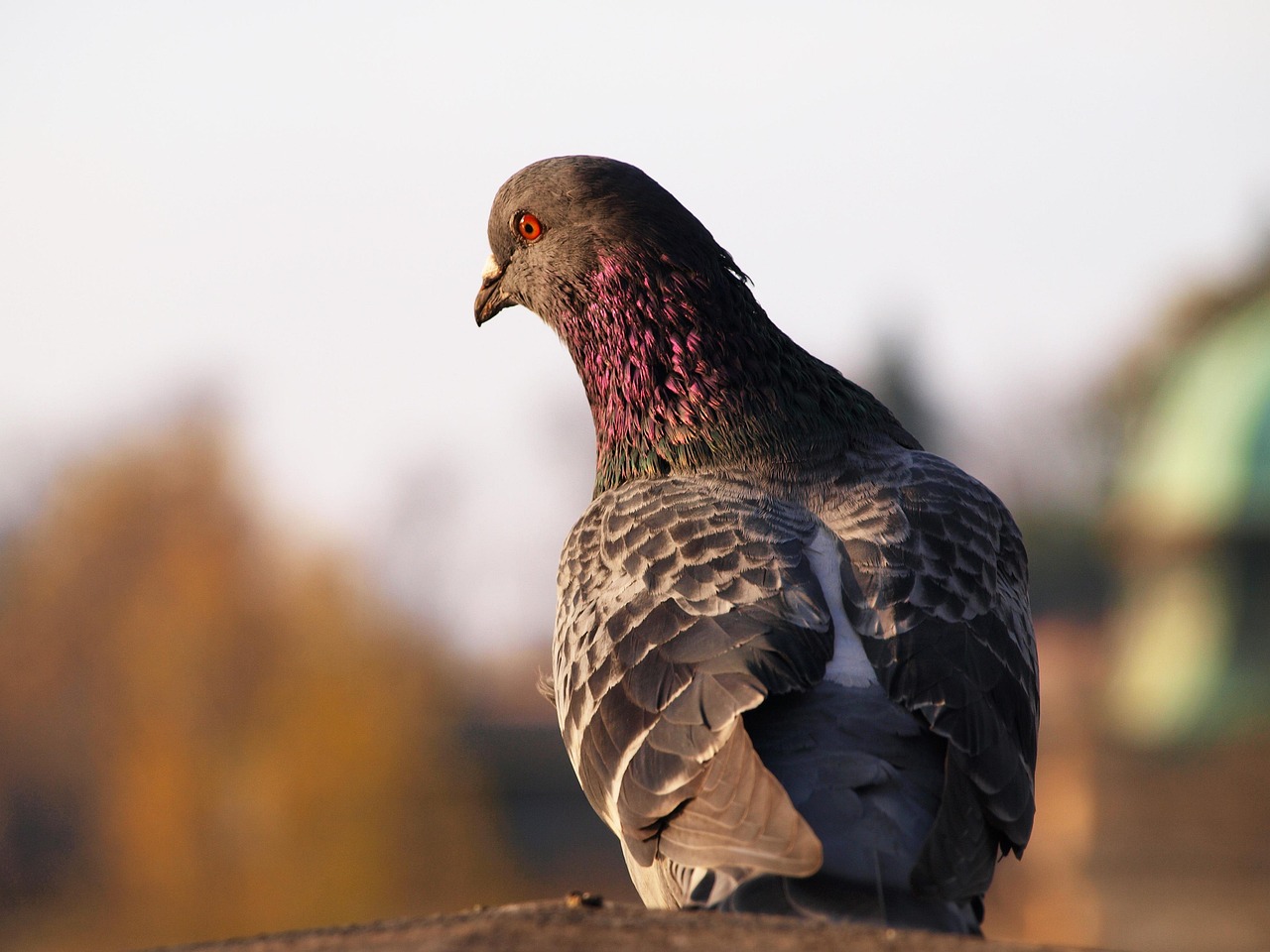
Feather quality is a major factor in show pigeon standards, requiring a smooth, tight plumage free from defects. Colors should be vibrant and consistent, with common shades including blue-bar, silver, and self-colors. Patterns like lacing or spangling are appreciated but must align with breed specifications.
In the Arab market, variations in feather color can occur due to climate or diet, but top breeders ensure their birds meet global benchmarks. For instance, a pigeon from the UAE might display flawless blue feathers, earning high marks in regional competitions. Regular grooming and a balanced diet are key to achieving this standard.
Common Color Variations
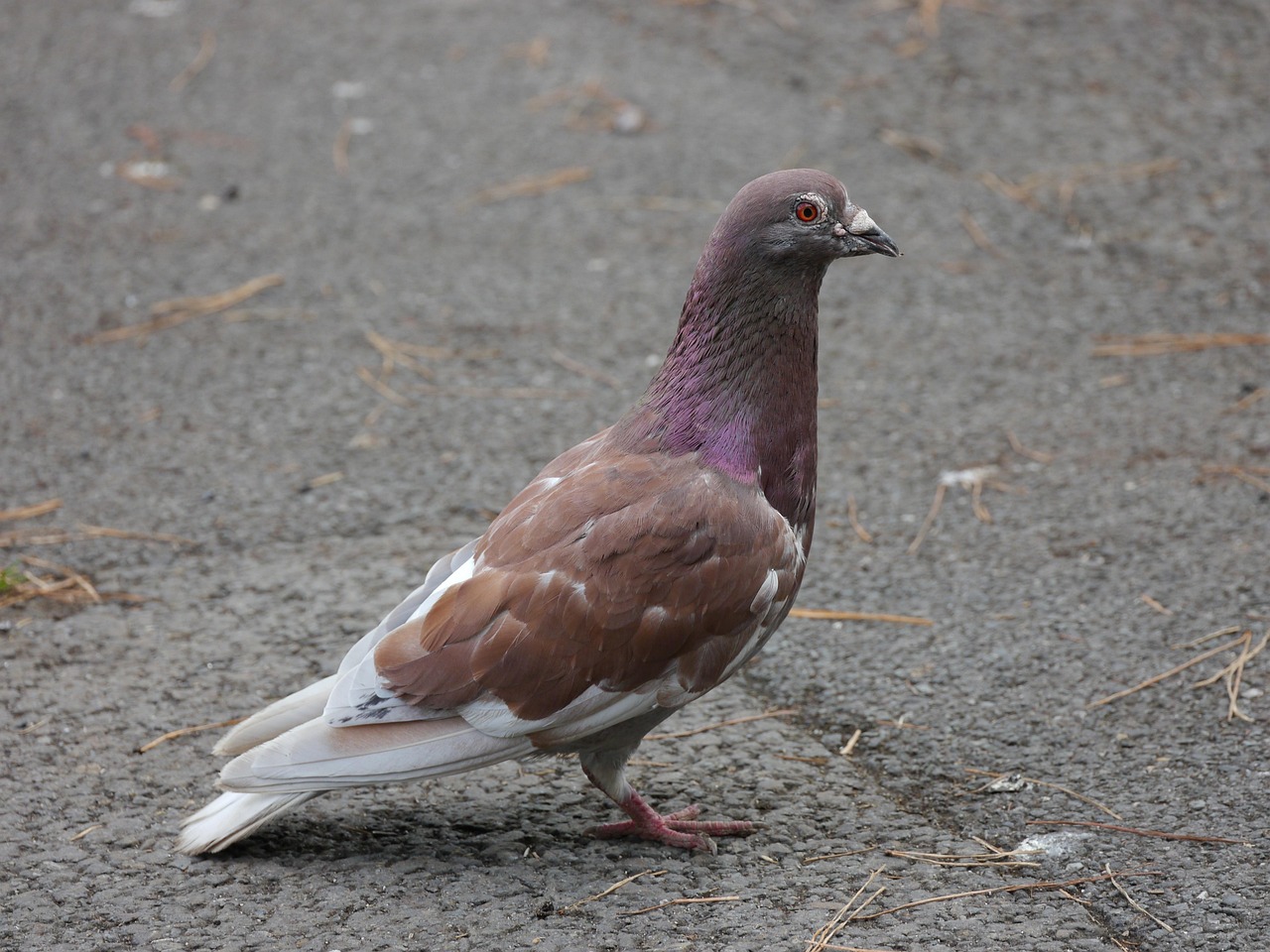
Old German Owl pigeons come in several approved colors, such as blue with black bars, red, yellow, and white. Each color has specific requirements for intensity and distribution, with no fading or mismatching allowed. Breeders must document lineage to avoid disqualifications in shows.
Examples from Jordan show how local enthusiasts have successfully bred red variants that rival international standards. By studying these cases, newcomers can learn to select birds with optimal coloration. It's vital to avoid cross-breeding that might dilute these traits, ensuring the breed's purity.
Feather Texture and Maintenance
The feathers should feel soft and lie flat, with no signs of ruffling or damage. Regular molting is normal, but during shows, birds must have a full, glossy coat. Maintenance involves proper nutrition, such as seeds rich in oils, and avoiding stressors that can affect feather health.
In Arab regions like Morocco, breeders use natural supplements to enhance feather quality, resulting in pigeons that shine under show lights. Practical tips include providing clean living spaces and minimal handling to prevent wear. These practices help maintain the high standards expected in competitions.
Behavior and Temperament in Shows
Beyond physical traits, behavior plays a significant role in show pigeon standards. Old German Owl pigeons should be calm, alert, and easy to handle, reflecting their breeding for exhibition. Aggression or skittishness can lead to lower scores, as judges value birds that present well in the ring.
Training from a young age is essential, with Arab breeders in Lebanon often using gentle methods to acclimate pigeons to human interaction. Success stories include birds that remain composed during loud events, showcasing their adaptability. This focus on temperament ensures a positive experience for both judges and owners.
Handling and Presentation Tips
Proper handling involves supporting the bird's body without causing stress, allowing it to display its best features. In shows, presentation includes perching correctly and responding to cues, which can be practiced through mock exhibitions. A well-presented pigeon often stands out, even among competitors with similar physical traits.
In the Arab market, breeders share techniques like using familiar perches to reduce anxiety, as seen in examples from Iraq. By incorporating these strategies, you can improve your bird's performance. Remember, a confident pigeon not only scores higher but also attracts potential buyers or breeders.
Common Behavioral Issues
Issues like feather pecking or excessive noise can detract from a pigeon's appeal, often stemming from poor housing or diet. Addressing these early through environmental enrichment and social interaction is key. In shows, judges may note such behaviors, impacting overall evaluation.
Cases from Syria illustrate how resolving space constraints led to calmer birds that excelled in competitions. Learning from these examples, breeders can implement changes to foster ideal behavior. Ultimately, a balanced temperament enhances the breed's reputation and market value.
Examples from the Arab Market
The Arab market has embraced Old German Owl pigeons, with breeders in countries like Saudi Arabia, Egypt, and the UAE producing exceptional specimens. These examples highlight how local adaptations can align with global standards, offering valuable lessons for enthusiasts. By examining real cases, we can see the practical application of show pigeon standards.
Notable Breeders and Success Stories
In Saudi Arabia, a breeder gained recognition for Old German Owl pigeons with perfect head shapes and vibrant colors, winning multiple local shows. Their approach includes meticulous record-keeping and selective pairing, ensuring each generation meets high criteria. This success demonstrates the importance of dedication and knowledge.
Similarly, in Egypt, a fancier focused on temperament, resulting in birds that are both beautiful and easy to manage. Their methods, such as early socialization, have been adopted by others in the region. These stories inspire newcomers to pursue excellence in pigeon breeding.
Market Trends and Adaptations
Trends in the Arab market show a growing preference for rare color variants, like silver or grizzle, which can command higher prices. Breeders adapt by importing quality stock and collaborating internationally to enhance their flocks. This dynamic environment encourages innovation while respecting traditional standards.
For instance, in the UAE, exhibitions often feature Old German Owl pigeons that blend local aesthetics with global benchmarks. By staying informed about these trends, you can make smarter breeding decisions. The market's evolution underscores the breed's versatility and appeal.
Breeding and Care for Optimal Standards
Breeding Old German Owl pigeons to meet show standards requires a strategic approach, focusing on genetics, health, and environment. Proper care ensures that birds develop the desired traits, from feather quality to behavior. This section covers essential practices for maintaining high standards in your flock.
Selective Breeding Techniques
Selective breeding involves choosing parent birds with strong adherence to standards, such as ideal head shape or color purity. Tools like pedigree charts help track lineage and avoid inbreeding, which can introduce defects. In the Arab market, breeders often exchange birds to diversify gene pools.
Examples from Jordan show how pairing pigeons with complementary traits led to offspring that excelled in shows. By applying these techniques, you can gradually improve your flock. It's a long-term process that rewards patience and attention to detail.
Health and Nutrition Guidelines
Health is fundamental to meeting show pigeon standards, requiring a balanced diet, regular vet check-ups, and preventive care. Key nutrients include proteins for feather growth and vitamins for overall vitality. Common issues like parasites must be addressed promptly to avoid compromising appearance.
In regions like Morocco, breeders use local grains and supplements to boost immunity, resulting in robust Old German Owl pigeons. Practical tips include:
- Provide fresh water daily
- Offer a mix of seeds, legumes, and greens
- Ensure clean, spacious lofts to reduce stress
Conclusion
In summary, understanding the detailed standards for Old German Owl pigeons is essential for anyone involved in breeding or showing these magnificent birds. From head and body traits to behavior and market examples, we've covered key aspects that define quality. By applying these insights, you can enhance your pigeon-keeping journey and achieve success in competitions. For expert management tools and resources, consider exploring Ghawy – Pigeon Manager to streamline your efforts and connect with a wider community.