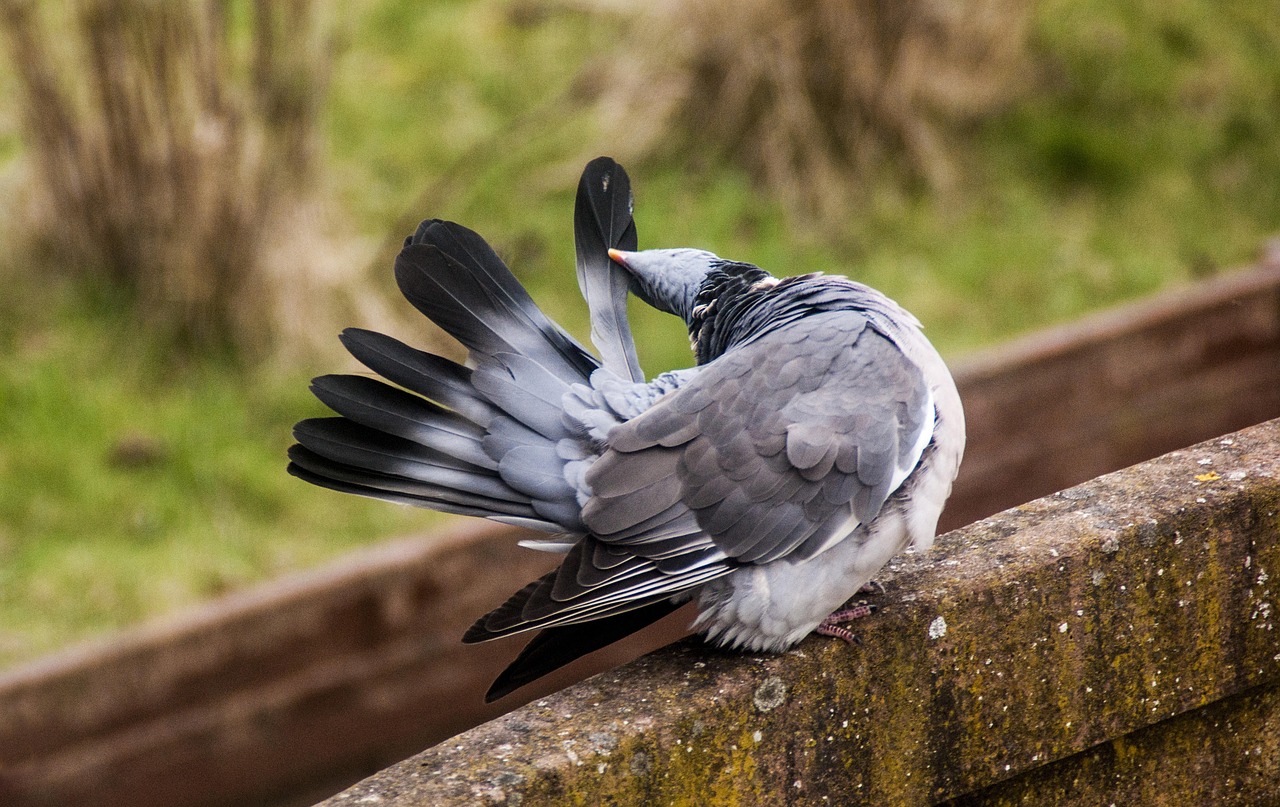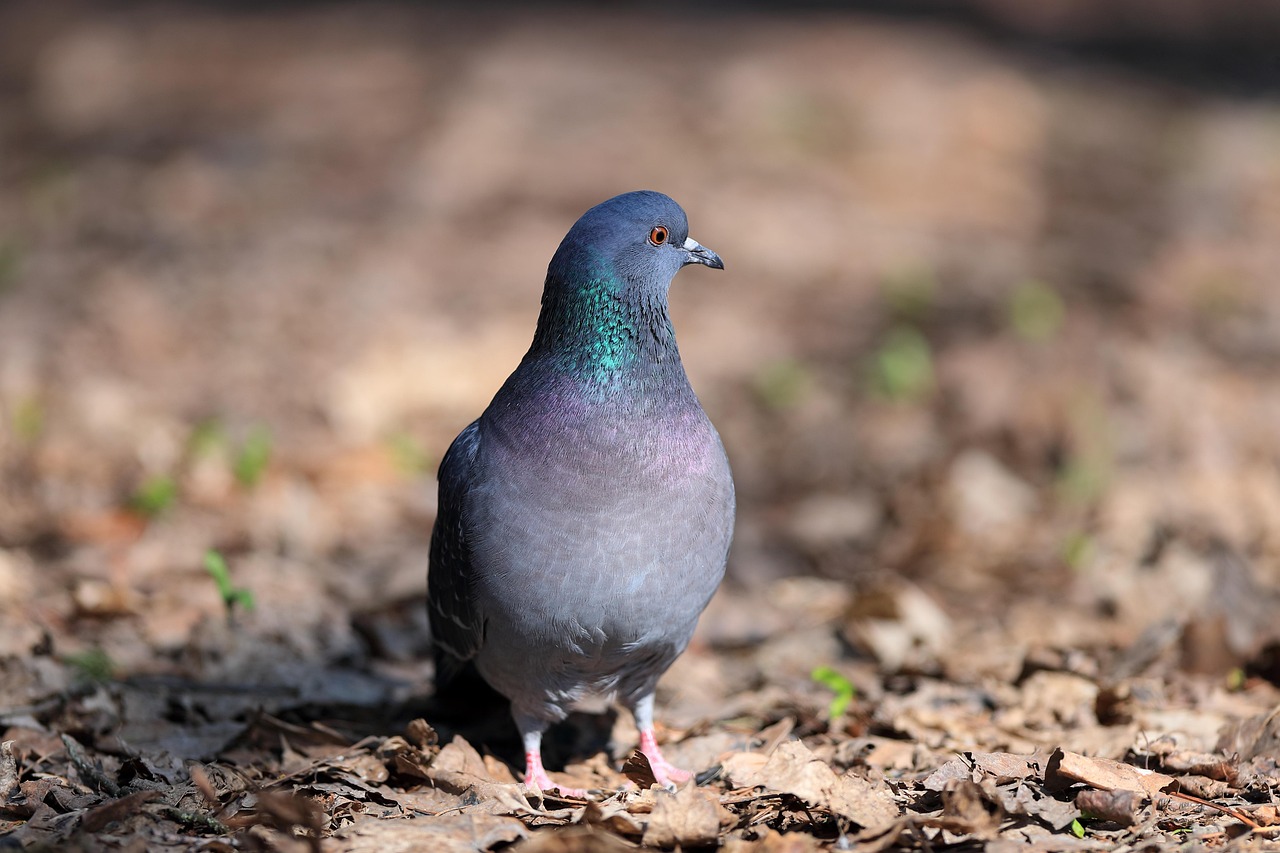
In the competitive world of pigeon racing, conditioning young birds is a critical art that separates champions from the rest. The darkness system has emerged as a revolutionary technique, offering a powerful method to enhance the readiness and performance of fledglings. This article delves into the intricacies of this approach, providing actionable insights for enthusiasts seeking to optimize their training regimens.
Understanding the Darkness System: A Foundational Overview
The darkness system is a conditioning method that involves controlling light exposure to manipulate the natural development and behavior of young racing pigeons. By simulating shorter days, it aims to delay maturity and extend the training window, allowing for more gradual and effective preparation. This technique leverages biological rhythms to build stronger, more resilient birds, making it a cornerstone of modern pigeon racing strategies.
The Science Behind Light Manipulation
At its core, the darkness system works by influencing the pineal gland and circadian rhythms in pigeons. When young birds are kept in darkened lofts for extended periods, typically from weaning until the racing season begins, it mimics winter conditions, slowing down hormonal changes associated with maturity. This delay prevents early molting and breeding urges, enabling trainers to focus on physical conditioning without distractions. Studies in avian biology suggest that controlled darkness can enhance feather quality and immune function, though it requires precise timing to avoid negative effects like stress or stunted growth.
Implementing this system involves careful planning, as the duration and intensity of darkness must align with the birds' age and health. Most experts recommend starting the darkness period at around 4-6 weeks old, gradually reducing light to 8-10 hours per day. This approach not only conditions the birds but also fosters a calm environment, reducing aggression and promoting better flock dynamics. By understanding these scientific principles, trainers can tailor the system to their specific breeds and racing schedules.
Key Benefits for Young Birds
The darkness system offers numerous advantages that directly impact the readiness of young birds. Firstly, it extends the training phase, allowing for more thorough exercises in navigation and endurance. Birds conditioned under darkness tend to develop stronger muscles and better cardiovascular health, as they are not prematurely taxed by breeding or molting. Additionally, this method can improve mental focus, making pigeons more attentive during training sessions and less prone to distractions during races.
Another significant benefit is enhanced feather development. By delaying the molt, the darkness system ensures that young birds retain their juvenile feathers longer, which are often more durable and better suited for flight. This leads to improved aerodynamics and reduced energy expenditure during races. Moreover, the controlled environment reduces exposure to pathogens, lowering the risk of diseases that can derail conditioning efforts. Trainers who adopt this system often report higher retention rates and better overall performance in competitions.
- Extended training window for gradual skill development
- Improved physical health through delayed maturity
- Enhanced mental focus and reduced stress levels
Implementing the Darkness System: A Step-by-Step Guide
Successfully applying the darkness system requires a structured approach that balances light control with overall care. This section outlines practical steps to integrate this technique into your training routine, ensuring optimal results for young birds conditioning. From loft setup to daily routines, each aspect plays a crucial role in maximizing the benefits of darkness manipulation.
Setting Up the Ideal Environment
Creating the right environment is the first step in implementing the darkness system. Start by designing a loft that can be easily darkened, using blackout curtains or specialized lighting controls to regulate light exposure. Ensure proper ventilation to maintain air quality, as enclosed spaces can lead to humidity and respiratory issues. The loft should be spacious enough to allow free movement, with perches and nesting areas arranged to minimize stress. Temperature control is also vital; aim for a stable range between 15-25°C to support the birds' health during the conditioning period.
In addition to physical setup, establish a consistent schedule for light and darkness. Most trainers use timers to automate the process, providing 8-10 hours of light per day during the active phase. This mimics natural seasonal changes and helps regulate the birds' internal clocks. Regular monitoring is essential to adjust the schedule based on the pigeons' responses, such as changes in behavior or feather condition. By investing in a well-designed environment, you lay the foundation for effective young birds conditioning through the darkness system.
Daily Routines and Monitoring
Once the environment is set, develop daily routines that support the darkness system. Begin with morning checks to assess the birds' health, looking for signs of illness or stress. During light hours, engage in training exercises such as short flights or loft familiarization, gradually increasing intensity as the birds mature. Provide a balanced diet rich in proteins and vitamins to fuel growth and recovery, adjusting portions based on activity levels. Hydration is equally important, so ensure clean water is always available.
Monitoring progress involves tracking key metrics like weight, feather quality, and behavioral changes. Use journals or digital tools to log observations, allowing for data-driven adjustments to the conditioning plan. Watch for indicators of successful adaptation, such as calm demeanor and consistent training performance. If issues arise, such as aggression or poor health, consider modifying light exposure or consulting with experienced trainers. By maintaining diligent routines, you can optimize the darkness system for long-term success in young birds conditioning.
Advanced Techniques and Common Pitfalls
Beyond the basics, mastering the darkness system involves exploring advanced strategies and avoiding common mistakes. This section covers nuanced approaches to enhance conditioning and highlights potential challenges that trainers may encounter. By learning from expert insights, you can refine your methods and achieve superior results with your racing pigeons.
Integrating with Other Training Methods
The darkness system works best when combined with other training techniques to create a holistic conditioning program. For example, pair it with interval training to build endurance, using short, intense flights during light hours to strengthen muscles and improve navigation skills. Socialization exercises, such as group releases, can enhance flock cohesion and reduce anxiety. Additionally, incorporate mental stimulation through obstacle courses or target training to keep young birds engaged and responsive.
Another advanced technique is gradual light reintroduction as the racing season approaches. Slowly increase light exposure over several weeks to simulate spring, triggering natural hormonal shifts that prepare birds for competition. This transition should be carefully managed to avoid shocking the system, which could lead to health issues. By integrating the darkness system with these complementary methods, you create a comprehensive approach that addresses all aspects of young birds conditioning, from physical to psychological readiness.
Avoiding Common Mistakes
Despite its benefits, the darkness system can backfire if not implemented correctly. One common pitfall is excessive darkness, which can lead to vitamin D deficiency and weakened bones. To prevent this, ensure birds receive adequate sunlight or supplements during light hours. Another mistake is inconsistent scheduling, which disrupts circadian rhythms and causes stress. Use reliable timers and maintain a strict routine to avoid this issue.
Overlooking individual differences is also a risk, as not all birds respond the same way to light manipulation. Monitor each pigeon closely and be prepared to adjust the system for outliers, such as those showing signs of distress or poor growth. Finally, neglecting overall health in favor of darkness conditioning can compromise results. Prioritize regular vet check-ups, clean living conditions, and a balanced diet to support the system's effectiveness. By steering clear of these pitfalls, you can maximize the advantages of the darkness system for young birds conditioning.
- Avoid excessive darkness to prevent health issues
- Maintain consistent light schedules for stability
- Tailor approaches to individual bird responses
Measuring Success and Long-Term Impact
Evaluating the effectiveness of the darkness system is crucial for continuous improvement in pigeon racing. This section discusses how to measure success through performance metrics and the long-term benefits for your flock. By tracking outcomes and adapting strategies, you can ensure that young birds conditioning leads to sustained competitive excellence.
Key Performance Indicators
To gauge the success of the darkness system, focus on key performance indicators (KPIs) related to both training and racing. During conditioning, monitor metrics such as flight duration, homing speed, and recovery times. Birds that adapt well to the system should show steady improvements in these areas, indicating enhanced readiness. In races, track results like finish positions and consistency across events, as these reflect the overall impact of the conditioning method.
Behavioral KPIs are equally important; look for signs of confidence, such as eager participation in training and calmness in the loft. Health indicators, including feather quality and weight stability, also provide insights into the system's effectiveness. Use tools like spreadsheets or specialized software to analyze data over time, identifying trends that inform future adjustments. By focusing on these KPIs, you can objectively assess the value of the darkness system in your young birds conditioning program.
Sustaining Benefits Over Seasons
The long-term impact of the darkness system extends beyond a single racing season, offering benefits that can elevate your entire pigeon racing operation. Birds conditioned with this method often develop stronger genetic traits, passing on resilience and performance to offspring. This creates a cycle of improvement, where each generation benefits from refined conditioning techniques. Additionally, the system fosters a deeper understanding of pigeon biology, enabling trainers to make more informed decisions about breeding and care.
To sustain these benefits, incorporate the darkness system into your annual planning, adjusting it based on lessons learned from previous seasons. Share insights with the racing community to contribute to collective knowledge, while staying updated on new research and techniques. Over time, this approach can lead to a more robust and successful flock, with young birds conditioning serving as a cornerstone of your strategy. By thinking long-term, you ensure that the darkness system delivers lasting value for your pigeon racing endeavors.
Conclusion
The darkness system represents a powerful tool for enhancing young birds conditioning in pigeon racing, offering a scientifically-backed method to delay maturity and optimize training. By understanding its principles, implementing structured routines, and avoiding common pitfalls, trainers can unlock significant improvements in performance and health. As you refine your approach, consider leveraging tools like Ghawy – Pigeon Manager (غاوي – إدارة الحمام) to streamline your conditioning efforts and achieve consistent success. Embrace this technique to elevate your flock's readiness and compete at the highest levels.