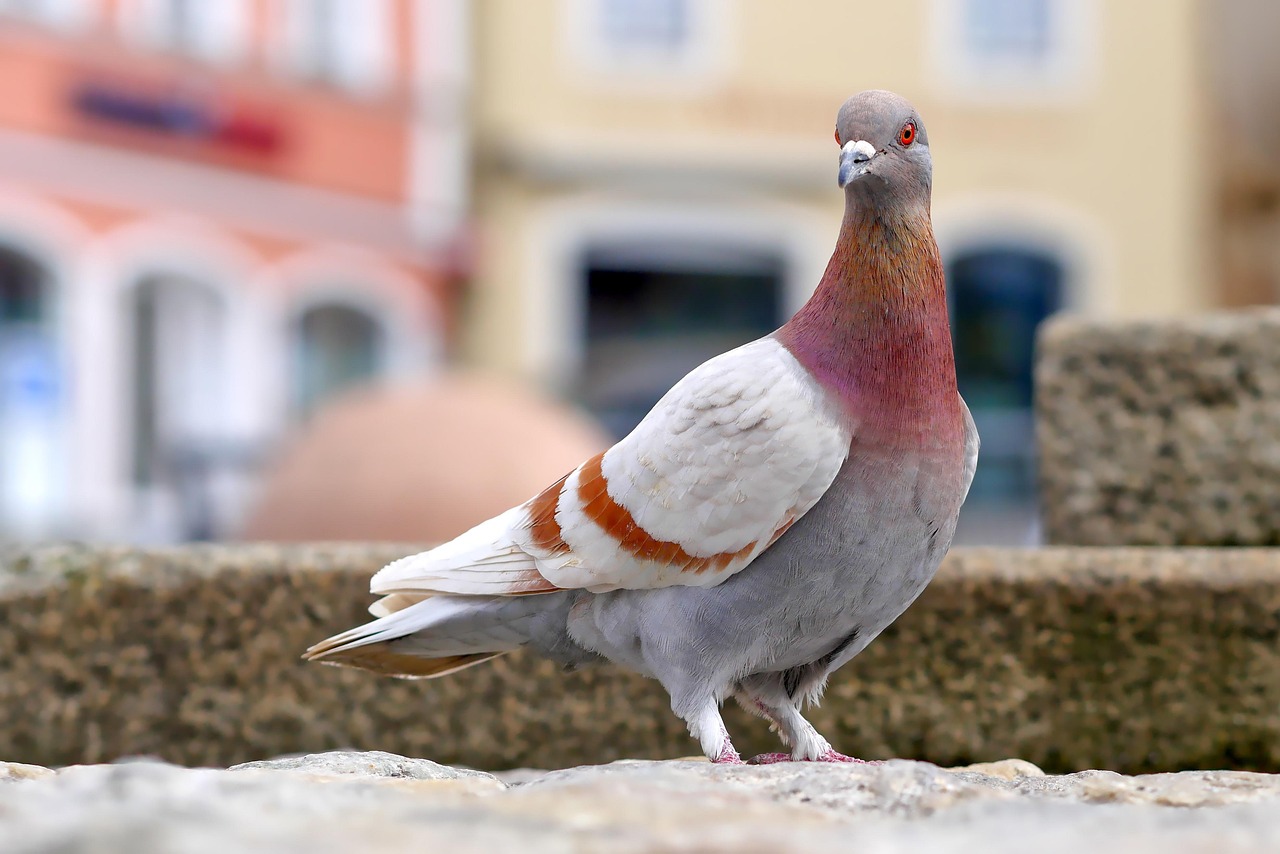
Breeding fancy pigeons is an art that combines passion with precision, guided by global standards like those from the National Pigeon Association (NPA). This guide delves into how to enhance pigeon breeds using NPA standards, focusing on fancy pigeon genetics and show pigeon criteria to achieve excellence in aviculture. Whether you're a novice or an expert, understanding these principles can transform your breeding efforts and elevate your flock's quality.
Understanding NPA Standards for Pigeon Breeding
The National Pigeon Association (NPA) sets the benchmark for pigeon breeding worldwide, providing a framework that ensures consistency, health, and beauty in fancy pigeons. Adhering to NPA standards helps breeders avoid common pitfalls and produce birds that excel in competitions and genetic stability. This section explores the core elements of NPA guidelines and why they are essential for any serious breeder aiming for success in the pigeon fancy community.
Core Principles of NPA Guidelines
NPA standards are built on principles that prioritize animal welfare, genetic diversity, and aesthetic appeal. These guidelines cover aspects such as proper housing, nutrition, and health management, which are crucial for maintaining strong, vibrant pigeons. By following these principles, breeders can reduce the risk of diseases and improve overall flock vitality, leading to birds that not only look good but also thrive in various environments. Implementing these standards requires a commitment to continuous learning and adaptation, as NPA updates its criteria based on new research and breeder feedback.
Another key aspect is the emphasis on ethical breeding practices, which discourage inbreeding and promote sustainable population management. This approach ensures that fancy pigeon genetics remain robust over generations, preventing genetic disorders and enhancing traits like color, size, and temperament. Breeders who integrate NPA standards into their routines often see higher success rates in shows and a more resilient breeding program, making it a worthwhile investment for long-term aviculture goals.
Benefits of Adhering to NPA Standards
Following NPA standards offers numerous advantages, from improved bird health to increased market value. Breeders who comply with these guidelines often experience fewer health issues in their flocks, as the standards include protocols for vaccination, parasite control, and environmental hygiene. This leads to lower mortality rates and higher productivity, allowing breeders to focus on refining show pigeon criteria rather than dealing with preventable problems. Additionally, NPA-certified birds are more attractive to buyers and judges, boosting credibility and potential earnings in the pigeon industry.
Beyond health and economic benefits, adherence to NPA standards fosters a sense of community and shared knowledge among breeders. By participating in NPA events and networks, breeders gain access to valuable resources, such as breeding records and expert advice, which can accelerate their learning curve. This collaborative environment encourages innovation in fancy pigeon genetics, as breeders share successes and challenges, ultimately driving the entire hobby forward. In essence, NPA standards serve as a foundation for excellence, making them indispensable for anyone serious about pigeon breeding.
Exploring Fancy Pigeon Genetics
Fancy pigeon genetics form the backbone of selective breeding, enabling enthusiasts to develop unique traits and colors in their birds. This field combines basic Mendelian inheritance with advanced genetic techniques to predict and manipulate characteristics like feather patterns, size, and behavior. Understanding these genetic principles is vital for breeders who want to create standout pigeons that meet show pigeon criteria and captivate audiences with their beauty and uniqueness.
Basic Genetic Concepts for Breeders
At its core, fancy pigeon genetics involve genes that control visible traits, such as color mutations, crest formation, and body structure. Breeders must grasp concepts like dominant and recessive genes to plan matings effectively, ensuring desired traits are passed to offspring. For example, pairing pigeons with specific color genes can produce vibrant variations that align with NPA standards for aesthetic appeal. Tools like pedigree charts and genetic calculators can aid in this process, helping breeders avoid unintended outcomes and strengthen their breeding lines over time.
Moreover, genetic diversity is crucial to prevent inbreeding depression, which can lead to health issues and reduced vitality. By introducing new bloodlines periodically, breeders can maintain a healthy gene pool and enhance fancy pigeon genetics for long-term success. This approach not only supports NPA standards but also allows for innovation, as breeders experiment with crossbreeding to develop novel traits. Ultimately, a solid understanding of genetics empowers breeders to make informed decisions, leading to flocks that are both beautiful and biologically sound.
Advanced Genetic Techniques and Tools
For those looking to take their breeding to the next level, advanced genetic techniques offer opportunities to refine traits with greater precision. Methods such as DNA testing and genomic selection allow breeders to identify carriers of specific genes, reducing guesswork and accelerating the development of ideal show pigeons. These tools are particularly useful for complex traits governed by multiple genes, such as feather texture or flight ability, which are key components of show pigeon criteria. By leveraging technology, breeders can achieve results that were once only possible through years of trial and error.
Additionally, collaboration with geneticists and other experts can provide insights into emerging trends in fancy pigeon genetics. For instance, research on epigenetics—how environmental factors influence gene expression—can help breeders optimize conditions for trait development. Integrating these advanced approaches with NPA standards ensures a holistic breeding strategy that balances innovation with tradition. As the field evolves, breeders who embrace these techniques will likely lead the way in producing pigeons that set new benchmarks in the fancy pigeon world.
Defining Show Pigeon Criteria
Show pigeon criteria are the specific standards used to judge pigeons in competitions, covering aspects like conformation, color, and behavior. These criteria vary by breed but generally align with NPA standards to ensure fairness and consistency across events. Mastering these guidelines is essential for breeders who aspire to win awards and gain recognition, as it involves meticulous attention to detail and a deep understanding of what makes a pigeon exceptional in the show ring.
Key Elements of Judging Standards
Judging standards for show pigeons typically focus on physical attributes such as body shape, feather quality, and overall balance. For example, a pigeon's head should be proportionate to its body, with a clear eye and smooth beak, as per NPA guidelines. Color and markings are also critical, with judges looking for vibrant, even patterns that meet breed-specific expectations. Behavior plays a role too; pigeons must display calmness and poise during judging, reflecting good training and health. By studying these elements, breeders can tailor their breeding programs to produce birds that excel in competitions.
To meet show pigeon criteria, breeders should regularly assess their flocks against official scorecards or judging rubrics provided by organizations like the NPA. This practice helps identify areas for improvement, such as enhancing feather luster or correcting posture issues. It's also beneficial to attend shows and observe judging processes firsthand, gaining insights into how criteria are applied in real-world settings. Over time, this focused approach can lead to a competitive edge, as breeders develop an eye for the subtle details that distinguish champion pigeons from the rest.
Training and Preparation for Shows
Preparing pigeons for shows involves more than just breeding; it requires dedicated training and conditioning to ensure they perform well under scrutiny. This includes habituating birds to handling, travel, and noisy environments, which can reduce stress and improve their presentation. Proper grooming is essential too, with steps like bathing and feather trimming to highlight natural beauty in line with show pigeon criteria. Breeders should start preparations weeks in advance, gradually introducing routines that build confidence and readiness in their pigeons.
Nutrition and health management are integral to this process, as a well-fed and healthy pigeon is more likely to meet NPA standards for vitality and appearance. Supplements and balanced diets can enhance feather quality and energy levels, while regular health checks prevent last-minute issues. By combining these efforts with a thorough understanding of fancy pigeon genetics, breeders can create a winning strategy that maximizes their chances of success. Remember, consistency in care and attention to detail are what separate amateur breeders from champions in the show circuit.
Practical Breeding Strategies
Effective breeding strategies blend science with hands-on experience, allowing breeders to apply NPA standards and genetic knowledge in real-world scenarios. This section covers practical approaches to selecting breeding pairs, managing flocks, and tracking progress, all aimed at producing high-quality fancy pigeons. Whether you're focusing on show pigeon criteria or general flock improvement, these strategies can help you achieve your goals efficiently and sustainably.
Selecting and Pairing Breeding Stock
Choosing the right breeding pairs is a critical step that influences the success of your pigeon breeding program. Start by evaluating potential parents based on their conformity to NPA standards, including health, temperament, and physical traits. Look for birds with strong genetic backgrounds that complement each other, aiming to enhance desirable characteristics while minimizing weaknesses. For instance, if you're working on fancy pigeon genetics for color, pair birds with proven color genes to increase the likelihood of vibrant offspring. Keeping detailed records of each pairing's outcomes can help refine future selections and build a reliable breeding line.
It's also important to consider genetic diversity when pairing stock, as over-reliance on a few birds can lead to inbreeding. Introduce new individuals from reputable sources periodically to refresh your gene pool and maintain vitality. This practice aligns with NPA standards for ethical breeding and supports long-term flock health. By taking a strategic approach to pairing, breeders can accelerate progress toward their goals, whether that's winning shows or developing unique breeds. Remember, patience and observation are key; not every pairing will yield ideal results, but consistent effort pays off over time.
Flock Management and Record-Keeping
Managing a pigeon flock involves daily care, from feeding and cleaning to monitoring health and behavior. Adopting NPA standards for flock management ensures a hygienic and stress-free environment, which is essential for breeding success. Use tools like spreadsheets or specialized software to track important data, such as breeding dates, health records, and genetic traits. This information is invaluable for analyzing trends and making informed decisions about future breeding plans, especially when focusing on show pigeon criteria.
- Maintain clean lofts with adequate ventilation to prevent diseases.
- Provide a balanced diet rich in proteins and vitamins for optimal growth.
- Schedule regular health checks and vaccinations as per NPA guidelines.
- Keep detailed logs of each bird's lineage and performance in shows.
By systematizing flock management, breeders can identify patterns and address issues proactively, leading to healthier and more productive pigeons. This organized approach also makes it easier to share insights with others in the community, fostering collaboration and continuous improvement. Ultimately, good management practices are the foundation of a successful breeding program, enabling breeders to focus on innovation and excellence in fancy pigeon genetics.
Conclusion
In summary, mastering the art of pigeon breeding requires a deep understanding of NPA standards, fancy pigeon genetics, and show pigeon criteria. By adhering to these guidelines, breeders can produce healthy, beautiful birds that excel in competitions and contribute to the aviculture community. Remember, consistency and education are key to long-term success. For those looking to streamline their breeding efforts, consider using Ghawy – Pigeon Manager (غاوي – إدارة الحمام) to organize and optimize your pigeon management tasks efficiently.