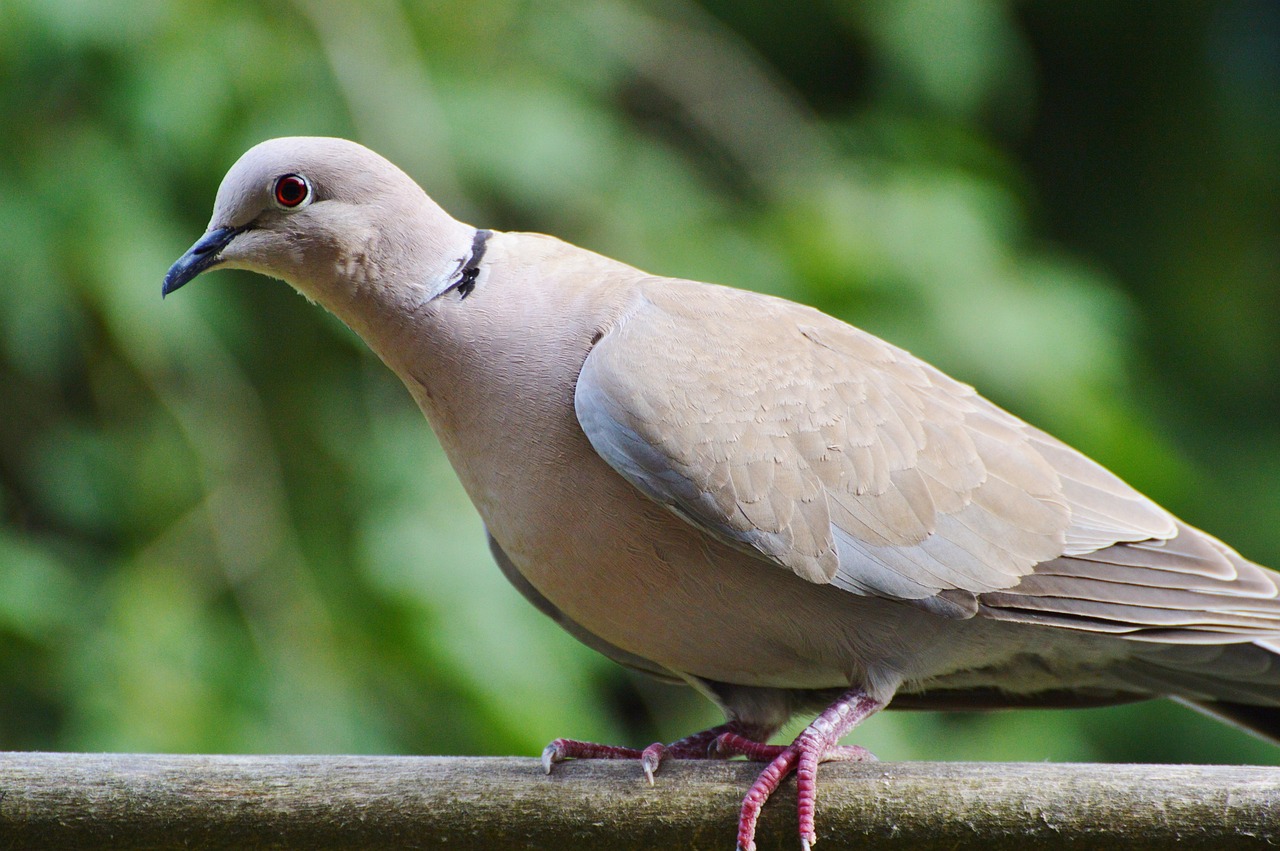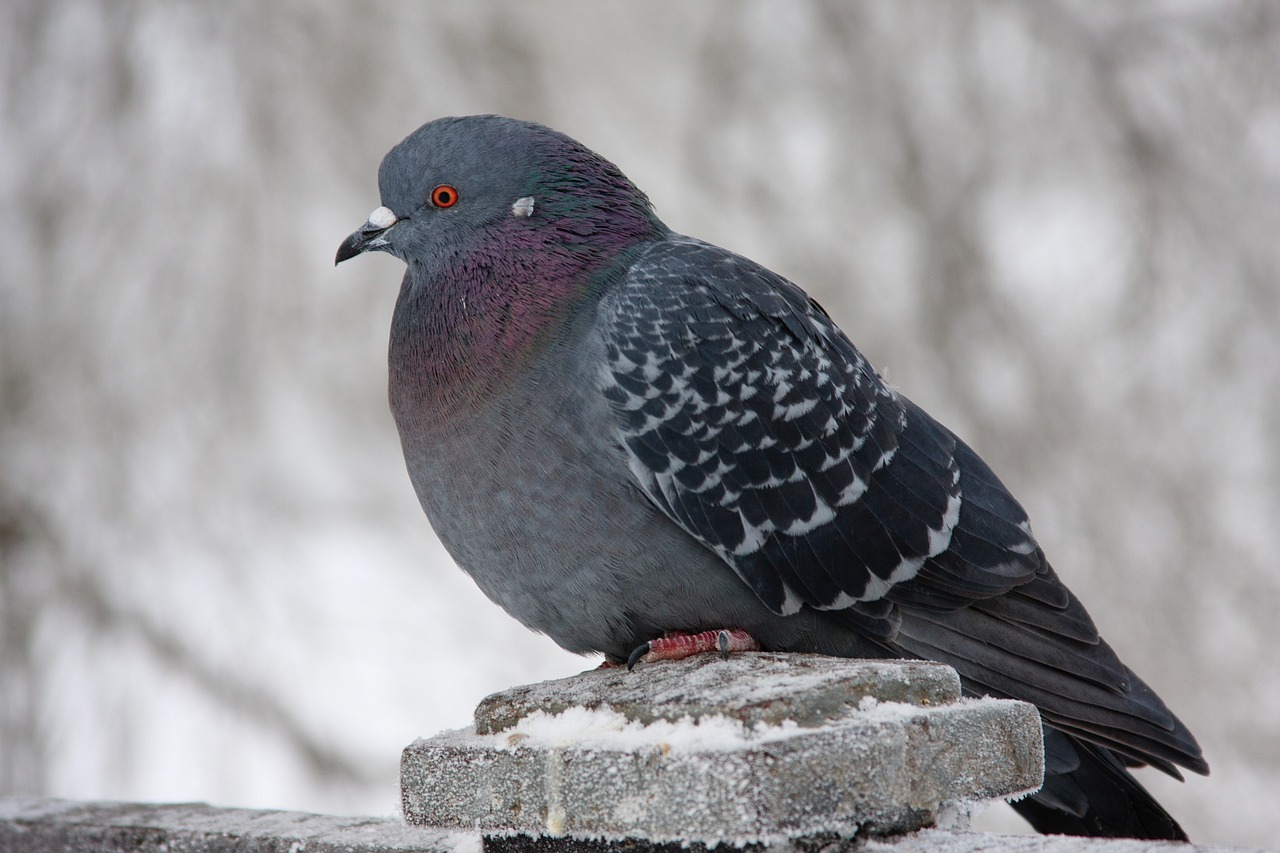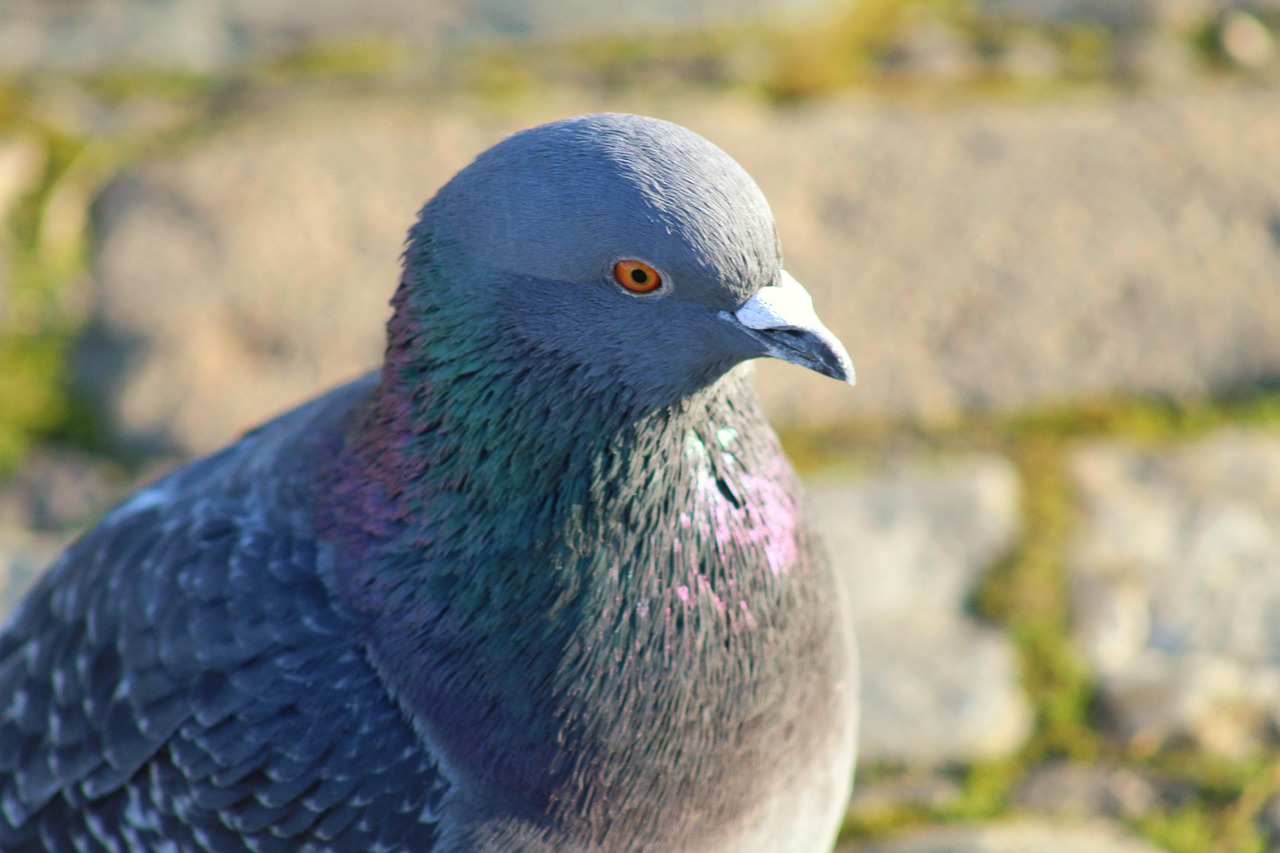
The Kashki pigeon, a distinguished member of the Arabian pigeon breeds, captivates enthusiasts with its unique blend of beauty and heritage. This article delves into the aesthetic allure and practical considerations of the حمام كشكي, offering insights into its characteristics and care. We explore the عيوب ومميزات to help you make informed decisions in your aviary endeavors.
The Enchanting World of Kashki Pigeons
Kashki pigeons, originating from the Arabian Peninsula, are celebrated for their striking appearance and historical significance in pigeon fancying. These birds are not just pets but symbols of cultural pride, often featured in shows and breeding programs. Understanding their background sets the stage for appreciating their value in modern pigeon keeping.
Historical Roots and Cultural Significance
The Kashki pigeon has deep roots in Arabian traditions, where pigeon breeding has been a cherished hobby for centuries. These birds were historically prized for their beauty and used in ceremonial events, reflecting their status in society. Today, they continue to be a favorite among breeders who value heritage and aesthetics, making them a living link to the past.
In contemporary settings, Kashki pigeons are often showcased in competitions, highlighting their role in preserving cultural identity. Their popularity has grown globally, with enthusiasts drawn to their unique traits and storied history. This blend of tradition and modern appeal makes them a fascinating subject for study and enjoyment.
Physical Characteristics and Breed Standards
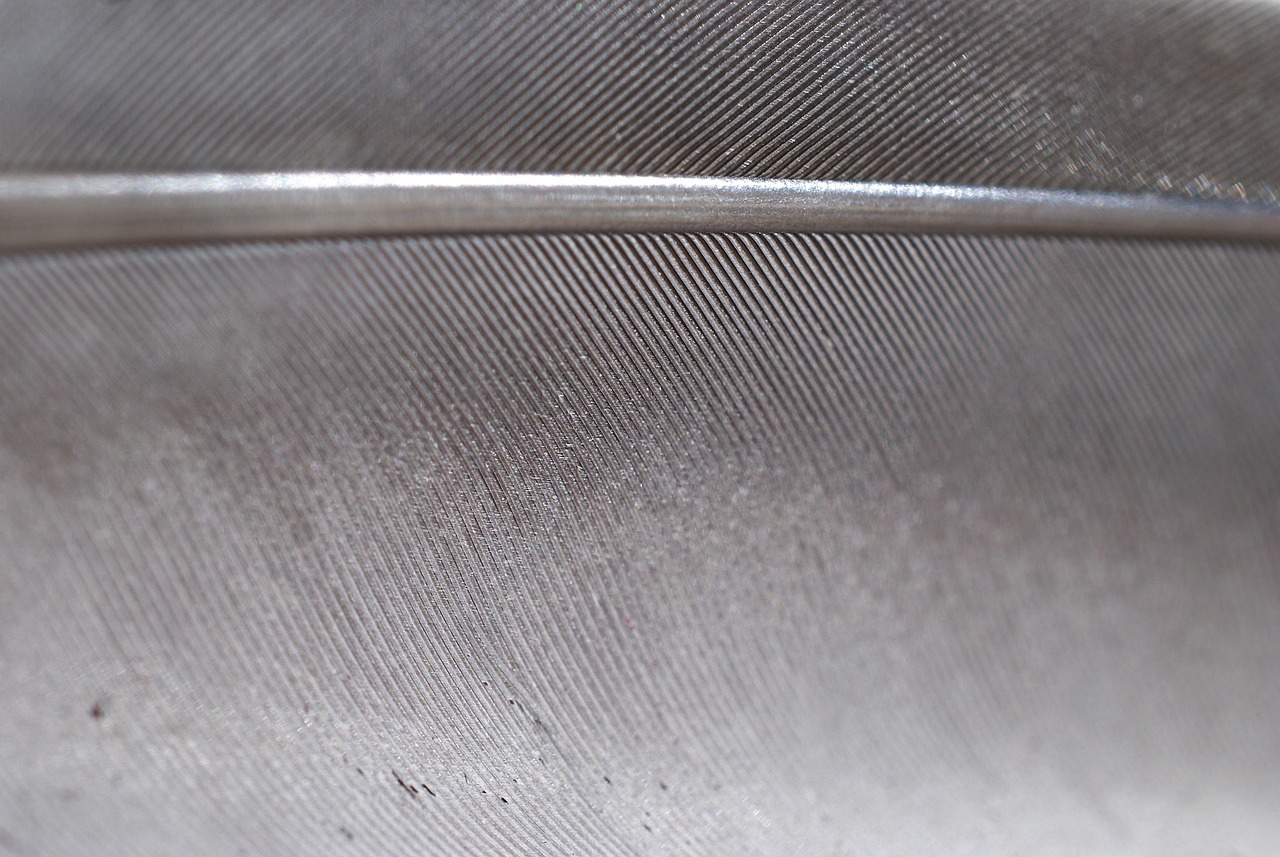
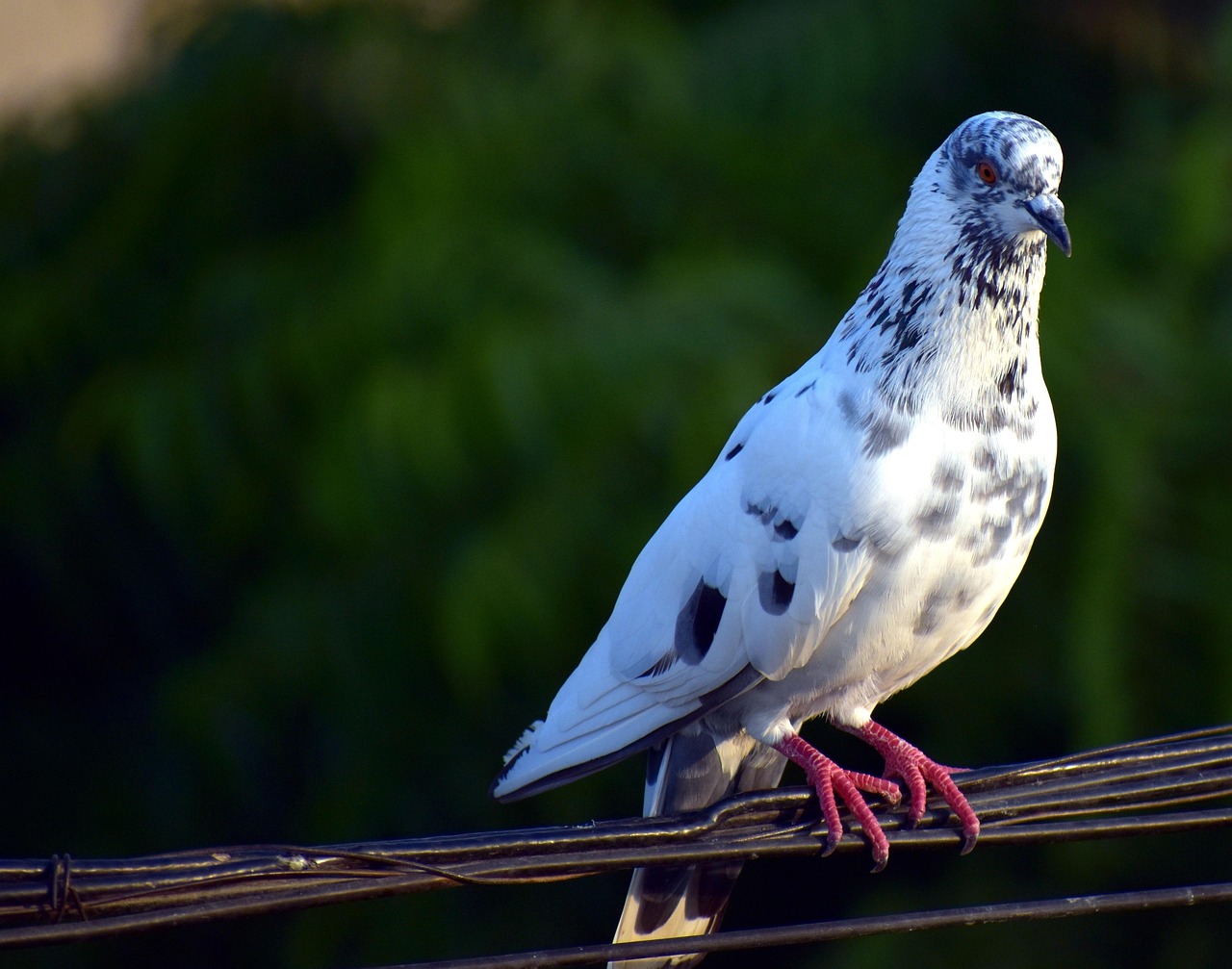
Kashki pigeons are known for their elegant physique, featuring a slender body, long neck, and distinctive feather patterns. Common colors include white, gray, and mottled varieties, with iridescent sheens that catch the light beautifully. Breed standards emphasize symmetry, posture, and feather quality, ensuring these birds meet high aesthetic benchmarks.
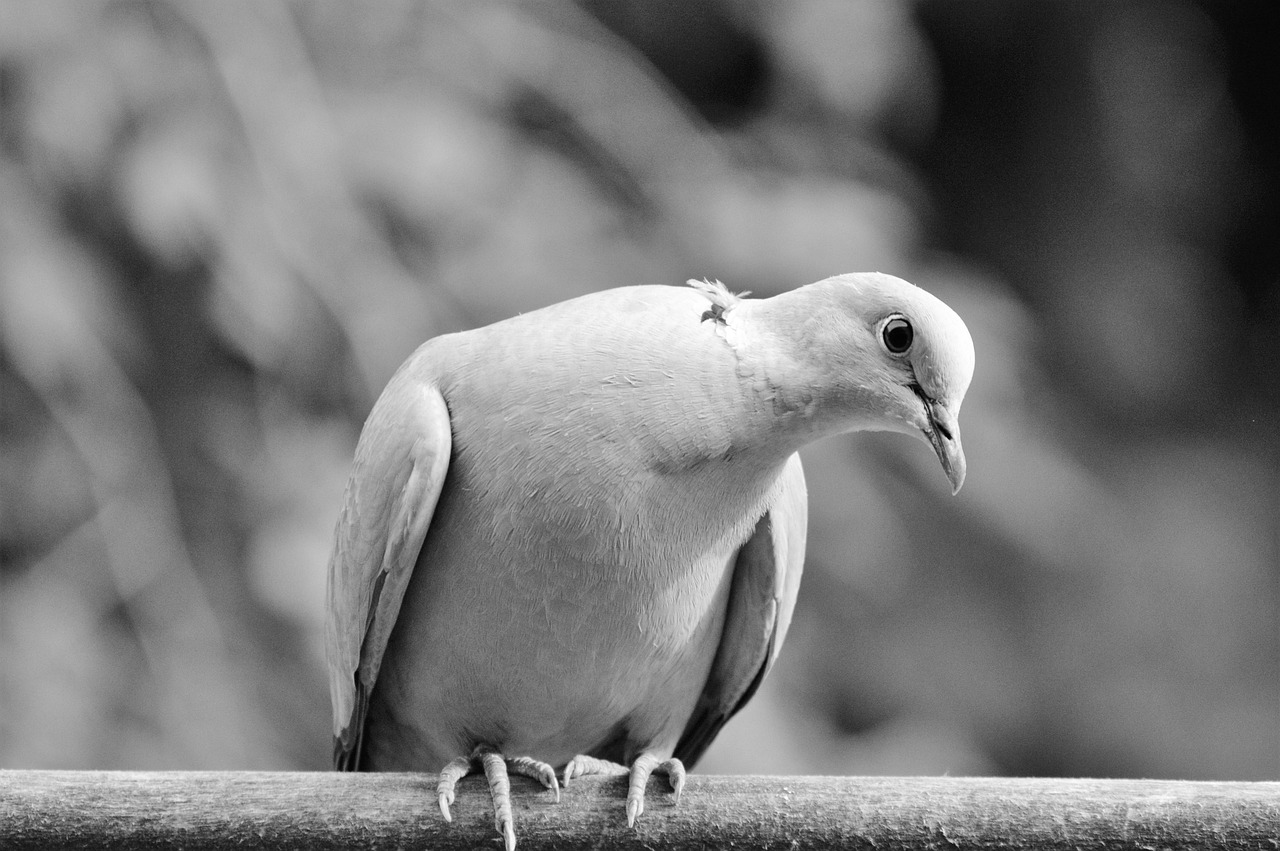
Key physical traits include a well-proportioned head with bright, expressive eyes and a strong beak. Their wings are typically long and tapered, aiding in graceful flight. Understanding these standards helps breeders select and maintain quality stock, contributing to the breed's preservation and enhancement over time.
Advantages of Owning Kashki Pigeons
Owning حمام كشكي comes with numerous benefits that appeal to both novice and experienced pigeon keepers. From their manageable care requirements to their social nature, these birds offer a rewarding experience. We'll explore the عيوب ومميزات, starting with the positives that make them a valuable addition to any aviary.
Low Maintenance and Adaptability
Kashki pigeons are relatively easy to care for, making them suitable for beginners. They adapt well to various climates, thanks to their Arabian origins, and require standard housing with adequate ventilation and space. Their diet consists of common grains and seeds, supplemented with fresh water and occasional treats for optimal health.
Regular grooming and health checks are minimal, focusing on feather condition and parasite prevention. This low-maintenance aspect allows owners to enjoy their birds without excessive time or financial investment, fostering a sustainable hobby. Their hardy nature also means they are less prone to common avian diseases, reducing veterinary costs.
Social Behavior and Breeding Potential
These pigeons are known for their friendly and social demeanor, often forming strong bonds with their owners and flock mates. They thrive in communal settings, making them excellent for group aviaries where interaction is key. Their breeding behavior is consistent, with pairs often producing multiple clutches per year under proper conditions.
Breeding Kashki pigeons can be a profitable venture, as high-quality specimens are in demand for shows and sales. Their genetic traits are stable, allowing for selective breeding to enhance desirable characteristics. This social and reproductive success adds to their appeal, encouraging community among enthusiasts.
Challenges and Considerations
While Kashki pigeons have many advantages, it's important to acknowledge the عيوب ومميزات to ensure responsible ownership. Potential challenges include specific health issues and behavioral traits that require attention. Addressing these aspects helps mitigate risks and promotes a healthy, thriving flock.
Common Health Issues and Prevention
Like all pigeon breeds, Kashki pigeons can be susceptible to certain health problems, such as respiratory infections or parasitic infestations. Regular monitoring and preventive measures, like clean living environments and balanced nutrition, are crucial. Early detection through routine check-ups can prevent minor issues from escalating.
- Respiratory infections: Often caused by poor ventilation or damp conditions.
- Parasites: Mites and worms can affect feather quality and overall health.
- Nutritional deficiencies: Resulting from imbalanced diets lacking essential vitamins.
Implementing a proactive health plan, including vaccinations and parasite control, ensures longevity and vitality. Consulting with avian veterinarians can provide tailored advice, making care more effective and less stressful for both birds and owners.
Behavioral Quirks and Training Needs
Kashki pigeons may exhibit territorial behavior during breeding seasons, requiring careful management to avoid conflicts in mixed flocks. Training them for handling or shows can be time-consuming, as they are intelligent but sometimes stubborn. Patience and consistent interaction are key to overcoming these challenges.
Understanding their natural instincts, such as nesting preferences and flight patterns, helps in creating an environment that minimizes stress. Providing enrichment activities, like perches and toys, can reduce boredom and promote positive behaviors. These considerations ensure a harmonious relationship between pigeons and their caretakers.
Selecting the Right Kashki Pigeon
Choosing a حمام كشكي involves careful evaluation of physical and behavioral traits to match your goals. Whether for show, breeding, or companionship, selecting the right bird is crucial for success. This section outlines key criteria to guide your decision-making process.
Evaluating Physical Quality and Conformation
When selecting a Kashki pigeon, assess its conformation against breed standards, looking for symmetry, feather condition, and overall health. Inspect the eyes for clarity, the beak for strength, and the legs for stability. Avoid birds with signs of illness or deformities, as these can impact performance and breeding outcomes.
Observe the bird's posture and movement; a healthy Kashki should stand tall and move gracefully. Feathers should be smooth and free of damage, with vibrant colors indicative of good nutrition. Taking time to evaluate these aspects ensures you invest in a quality specimen that will thrive in your care.
Assessing Temperament and Compatibility
Temperament is vital for integration into existing flocks or for handling purposes. Look for birds that are calm and responsive, rather than overly aggressive or skittish. Compatibility with other pigeons depends on social dynamics, so consider the existing group's behavior when introducing new members.
Spend time observing potential purchases in their current environment to gauge their interactions. A well-adjusted Kashki pigeon will exhibit curiosity and ease around humans and other birds. This assessment helps prevent conflicts and fosters a peaceful aviary, enhancing the overall experience of pigeon keeping.
Breeding and Raising Kashki Pigeons
Breeding حمام كشكي can be a rewarding endeavor, but it requires knowledge and dedication to achieve success. From pairing strategies to chick care, this section covers essential practices for producing healthy offspring. Understanding the عيوب ومميزات in breeding contexts ensures sustainable growth of your flock.
Pairing Strategies and Genetic Considerations
Select breeding pairs based on complementary traits, such as color patterns and physical conformation, to enhance desirable characteristics. Avoid inbreeding by maintaining diverse genetic lines, which reduces the risk of hereditary issues. Documenting pedigrees helps track lineage and plan future breedings effectively.
Consider the health and age of potential breeders, opting for mature birds in prime condition. Introducing pairs gradually allows them to bond, increasing the likelihood of successful mating. These strategies contribute to robust offspring that uphold the breed's standards and vitality.
Chick Care and Development Stages
Once eggs are laid, provide a secure nesting area with proper insulation and minimal disturbance. Monitor incubation periods, which typically last around 18 days, and assist with hatching if necessary. Newly hatched chicks require warmth and frequent feeding, often relying on parent birds or hand-rearing techniques.
- Feeding: Offer high-protein squab feed or specialized formulas for optimal growth.
- Health monitoring: Check for signs of weakness or disease, intervening early if needed.
- Socialization: Gradually introduce chicks to the flock to build confidence and social skills.
As chicks mature, focus on weaning and training them for independence. This careful attention during early stages sets the foundation for healthy adult pigeons, ensuring they contribute positively to your breeding program.
Conclusion
In summary, Kashki pigeons offer a unique blend of aesthetic beauty and practical benefits, making them a valuable choice for pigeon enthusiasts. By understanding their عيوب ومميزات, you can navigate the challenges and enjoy the rewards of owning حمام كشكي. Remember to prioritize health, compatibility, and breed standards in your selections. For expert guidance on managing your flock, consider using Ghawy – Pigeon Manager (غاوي – إدارة الحمام) to streamline your pigeon-keeping journey.