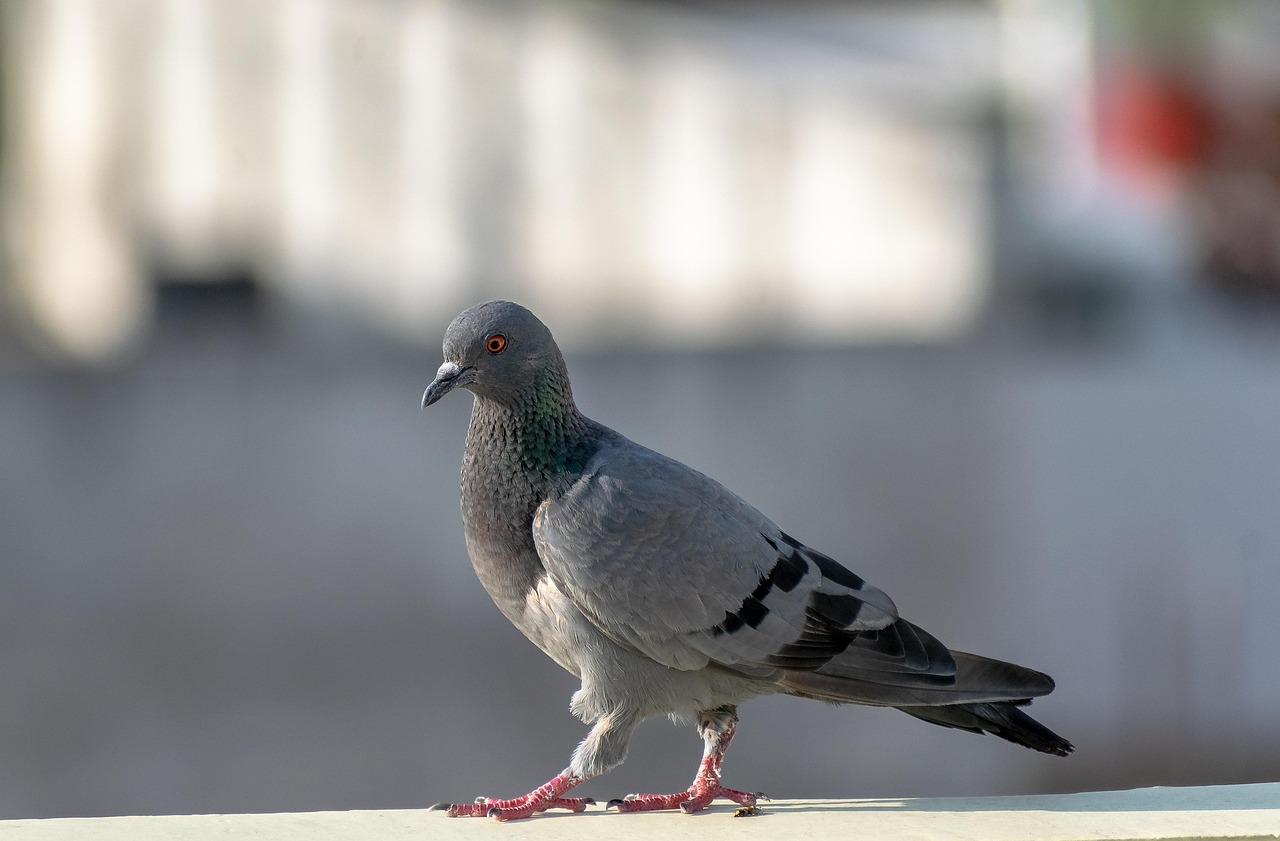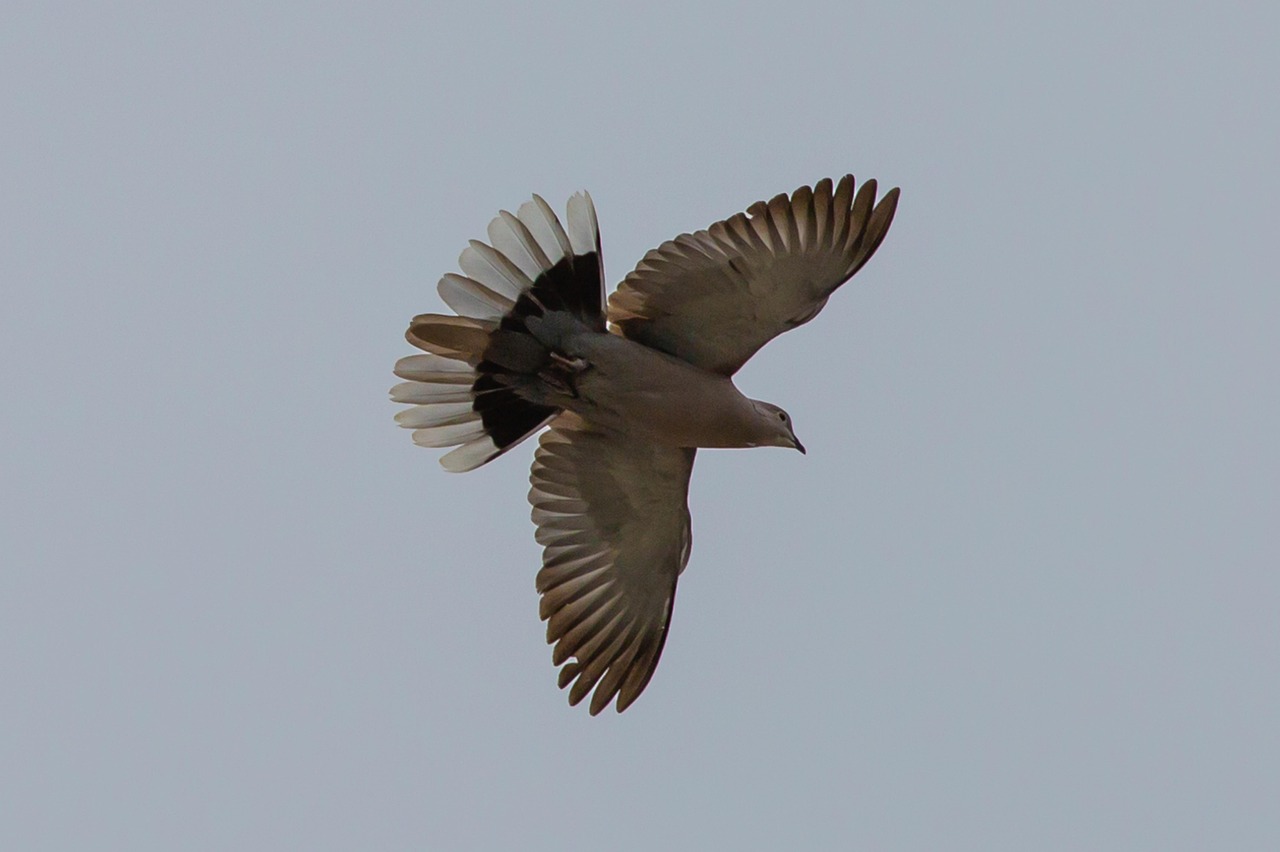
L-Carnitine is a powerful supplement that can significantly enhance the endurance of pigeons by optimizing fat metabolism. This article delves into the science behind how L-Carnitine pigeons benefit from improved energy utilization, making them stronger and more resilient in flight. Understanding this process is key to elevating your pigeon care practices for better performance and health.
The Role of L-Carnitine in Pigeon Energy Systems
L-Carnitine plays a crucial role in the energy systems of pigeons, acting as a transporter that shuttles fatty acids into the mitochondria for energy production. This process is vital for sustained flight, as it allows pigeons to tap into fat stores efficiently, reducing reliance on limited glycogen reserves. By enhancing fat metabolism pigeons can maintain energy levels over long distances, making L-Carnitine an essential component in their diet for endurance sports and racing.
How L-Carnitine Facilitates Fat Oxidation
Fat oxidation is the process where fats are broken down to produce energy, and L-Carnitine is central to this mechanism in pigeons. It binds to long-chain fatty acids, enabling their entry into the mitochondrial matrix where beta-oxidation occurs. This not only boosts energy output but also spares carbohydrates, which are critical for high-intensity bursts. For pigeon enthusiasts, incorporating L-Carnitine into feed can lead to noticeable improvements in stamina, as birds become more efficient at utilizing fat stores during prolonged activities.
Moreover, this enhanced fat metabolism helps prevent fatigue by reducing the buildup of metabolic byproducts like lactate. Studies in avian physiology suggest that pigeons with adequate L-Carnitine levels exhibit better recovery times and sustained performance. By focusing on L-Carnitine pigeons, breeders can support a more robust energy system, ensuring their birds excel in competitive environments where endurance is paramount.
Impact on Mitochondrial Function and ATP Production
Mitochondria are the powerhouses of cells, and L-Carnitine optimizes their function in pigeons by ensuring a steady supply of fatty acids for ATP synthesis. This results in higher energy yields per gram of fat, which is essential for long-distance flights. Pigeons with optimized mitochondrial activity can fly farther without tiring, as their cells produce energy more efficiently. This aspect of fat metabolism pigeons highlights the importance of nutritional strategies that support cellular health.
Additionally, L-Carnitine aids in removing toxic fatty acid intermediates, protecting mitochondria from damage and promoting longevity. For pigeon keepers, this means healthier birds with enhanced vitality. By prioritizing L-Carnitine supplementation, you can help your pigeons achieve peak performance, making it a cornerstone of advanced avian nutrition programs focused on endurance and resilience.
Benefits of L-Carnitine for Pigeon Endurance and Performance
Supplementing with L-Carnitine offers numerous benefits for pigeon endurance, including extended flight duration and improved recovery. Pigeons that receive adequate L-Carnitine show enhanced fat utilization, which translates to better performance in races and training sessions. This makes L-Carnitine pigeons a topic of interest for breeders aiming to gain a competitive edge through scientific nutrition.
Enhanced Stamina and Reduced Fatigue
One of the primary benefits of L-Carnitine is its ability to boost stamina by optimizing fat metabolism in pigeons. When fat is used efficiently as an energy source, pigeons can sustain flight for longer periods without experiencing early fatigue. This is particularly important in endurance events, where every extra minute of flight can make a difference. By focusing on L-Carnitine pigeons, enthusiasts can help their birds maintain high energy levels throughout demanding activities.
Furthermore, L-Carnitine reduces muscle fatigue by minimizing lactic acid accumulation, which often leads to soreness and decreased performance. Pigeons supplemented with L-Carnitine tend to recover faster after intense exercise, allowing for more frequent training sessions. This aspect of fat metabolism pigeons underscores the supplement's role in not just enhancing endurance but also in promoting overall athletic health and longevity.
Improved Body Composition and Weight Management
L-Carnitine aids in maintaining optimal body composition by promoting the use of fat stores for energy, which can help pigeons avoid excess weight that hampers flight efficiency. This is crucial for performance pigeons, as leaner bodies are more aerodynamic and require less energy to stay aloft. By incorporating L-Carnitine into their diet, breeders can support healthy weight management, ensuring their birds are in peak condition for competitions.
In addition, better fat metabolism leads to improved muscle preservation, as energy is derived from fats rather than proteins. This means pigeons retain more muscle mass, which is essential for powerful wing beats and agility. For those focused on L-Carnitine pigeons, this translates to birds that are not only enduring but also stronger and more capable in various flying conditions.
Scientific Mechanisms Behind L-Carnitine and Fat Metabolism
The scientific mechanisms of L-Carnitine involve complex biochemical pathways that enhance fat metabolism in pigeons. By understanding these processes, breeders can make informed decisions about supplementation to maximize benefits. This section explores how L-Carnitine interacts with cellular systems to boost endurance and overall health in pigeons.
Carnitine Palmitoyltransferase System Explained
The carnitine palmitoyltransferase (CPT) system is a key enzyme complex that L-Carnitine activates to transport fatty acids into mitochondria. In pigeons, this system is critical for converting stored fats into usable energy during flight. When L-Carnitine levels are sufficient, the CPT system operates efficiently, allowing for rapid fat oxidation and sustained energy release. This mechanism is central to why L-Carnitine pigeons exhibit superior endurance compared to those without supplementation.
Moreover, the CPT system's efficiency can be influenced by diet and exercise, making it a dynamic target for nutritional interventions. Pigeons engaged in regular training benefit greatly from L-Carnitine, as it supports adaptive changes in fat metabolism. By focusing on this system, breeders can tailor feeding regimens to enhance natural processes, leading to healthier and more performant birds through optimized fat metabolism pigeons strategies.
Interplay with Other Nutrients and Metabolic Pathways
L-Carnitine does not work in isolation; it interacts with other nutrients like vitamins and minerals to support overall metabolism in pigeons. For instance, B vitamins are co-factors in the enzymatic reactions that L-Carnitine facilitates, enhancing its effectiveness. This synergy ensures that fat metabolism is coordinated with other energy-producing pathways, providing a balanced approach to endurance enhancement for L-Carnitine pigeons.
Additionally, L-Carnitine helps regulate glucose metabolism by sparing carbohydrates for when they are most needed, such as during sprint phases of flight. This interplay prevents energy crashes and supports consistent performance. For pigeon enthusiasts, understanding these connections allows for comprehensive diet planning that maximizes the benefits of L-Carnitine, making fat metabolism pigeons a holistic endeavor rather than a isolated supplement strategy.
Practical Applications and Supplementation Strategies
Implementing L-Carnitine supplementation in pigeon care requires practical knowledge of dosage, timing, and integration with existing diets. This section provides actionable advice for breeders looking to enhance their pigeons' endurance through targeted nutritional support. By following these strategies, you can effectively leverage L-Carnitine to improve fat metabolism and overall performance.
Optimal Dosage and Administration Methods
Determining the right dosage of L-Carnitine for pigeons depends on factors like body weight, activity level, and overall health. Generally, a dose of 50-100 mg per kg of body weight per day is recommended for active pigeons, but it's best to start low and adjust based on response. L-Carnitine can be administered through water, feed, or specific supplements, ensuring it is easily absorbed. For those focusing on L-Carnitine pigeons, consistency in supplementation is key to seeing sustained benefits in endurance and fat metabolism.
It's also important to monitor pigeons for any adverse effects, though L-Carnitine is generally safe when used appropriately. Combining it with a balanced diet rich in proteins and fats can enhance its efficacy. By tailoring the administration to your flock's needs, you can optimize results and support long-term health, making fat metabolism pigeons a reliable part of your care routine.
Integrating L-Carnitine with Training Regimens
To maximize the benefits of L-Carnitine, integrate it with structured training programs that challenge pigeons' endurance. For example, gradually increasing flight distances while supplementing can help adapt their metabolism to use fats more efficiently. This approach not only builds physical stamina but also reinforces the physiological changes supported by L-Carnitine. For L-Carnitine pigeons, this synergy between nutrition and exercise is essential for achieving peak performance.
Additionally, timing supplementation around training sessions can boost its impact, such as giving L-Carnitine before flights to prime energy systems. Post-training, it aids in recovery by reducing oxidative stress. By aligning supplementation with activity cycles, breeders can enhance fat metabolism pigeons effectively, leading to birds that are better prepared for competitions and everyday flying challenges.
Common Myths and Misconceptions About L-Carnitine
There are several myths surrounding L-Carnitine supplementation in pigeons, which can lead to misuse or missed opportunities. This section addresses these misconceptions with evidence-based insights, helping breeders make informed decisions. Debunking these myths ensures that L-Carnitine is used effectively to support fat metabolism and endurance.
Myth: L-Carnitine Alone Guarantees Peak Performance
One common myth is that L-Carnitine is a magic bullet for pigeon performance, but in reality, it works best as part of a comprehensive care plan. While it significantly enhances fat metabolism, factors like genetics, training, and overall diet play crucial roles. L-Carnitine pigeons benefit most when supplementation is combined with optimal husbandry practices, including proper housing and health monitoring. Ignoring these aspects can limit the supplement's effectiveness.
Moreover, over-reliance on L-Carnitine without addressing other nutritional needs can lead to imbalances. For instance, insufficient protein intake might hinder muscle development, counteracting the endurance gains from fat metabolism. By understanding that L-Carnitine is a supportive tool, not a standalone solution, breeders can avoid this pitfall and achieve better outcomes with their fat metabolism pigeons strategies.
Myth: All L-Carnitine Supplements Are Equal
Another misconception is that all L-Carnitine products are the same, but quality and formulation vary widely. Some supplements may contain impurities or low bioavailability, reducing their efficacy for pigeons. It's important to choose reputable sources that provide pure L-Carnitine, ideally in forms like L-Carnitine L-Tartrate, which is well-absorbed. For L-Carnitine pigeons, selecting high-quality supplements ensures that the intended benefits for fat metabolism are fully realized.
Additionally, considering the specific needs of pigeons, such as their metabolic rate and diet, can guide product selection. Consulting with avian nutrition experts or using trusted brands can help avoid subpar products. By prioritizing quality, breeders can trust that their investment in L-Carnitine will pay off in enhanced endurance and health for their fat metabolism pigeons.
Conclusion
In summary, L-Carnitine is a vital supplement that boosts pigeon endurance by optimizing fat metabolism, leading to improved energy utilization, reduced fatigue, and better overall performance. By integrating it into a balanced diet and training regimen, breeders can help their pigeons achieve remarkable stamina and health. For expert guidance on implementing these strategies, consider using Ghawy – Pigeon Manager to streamline your pigeon care and maximize results.