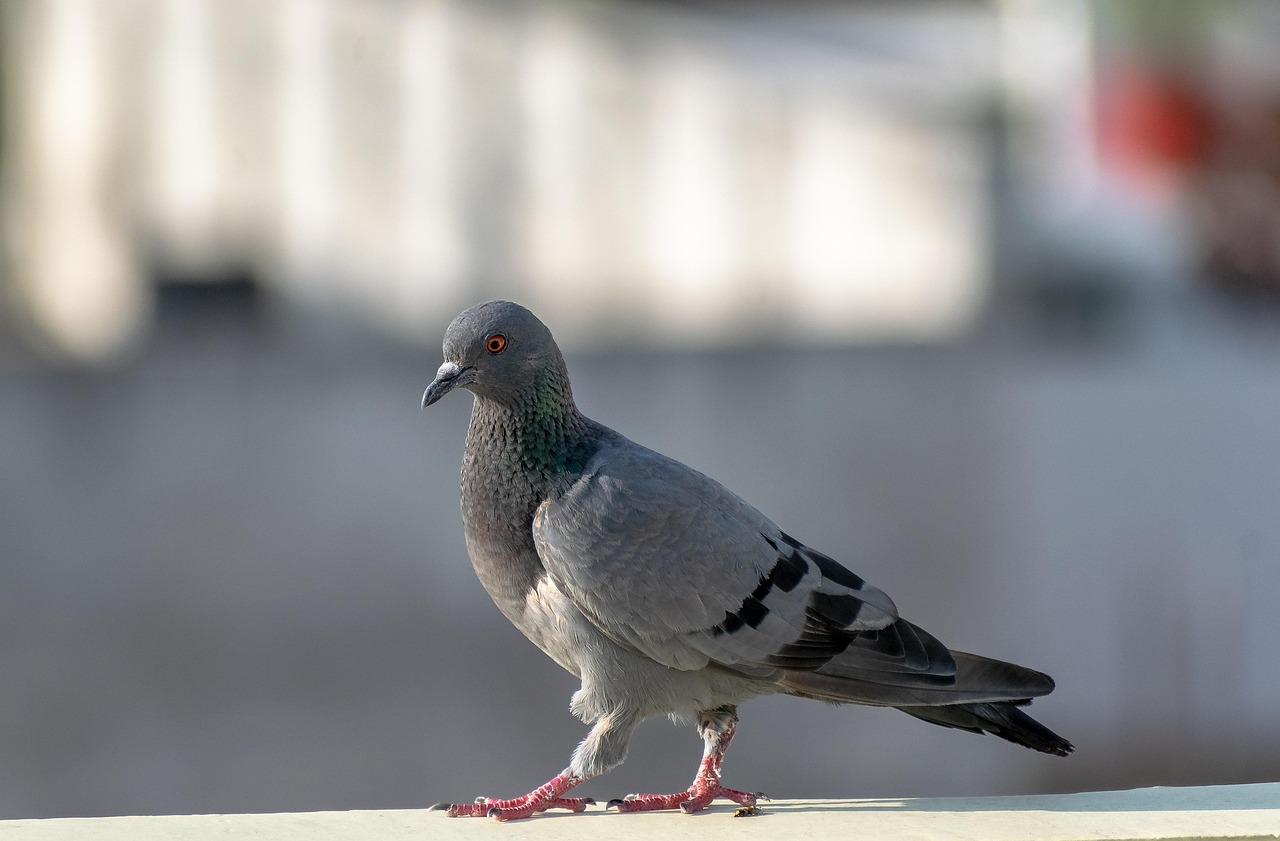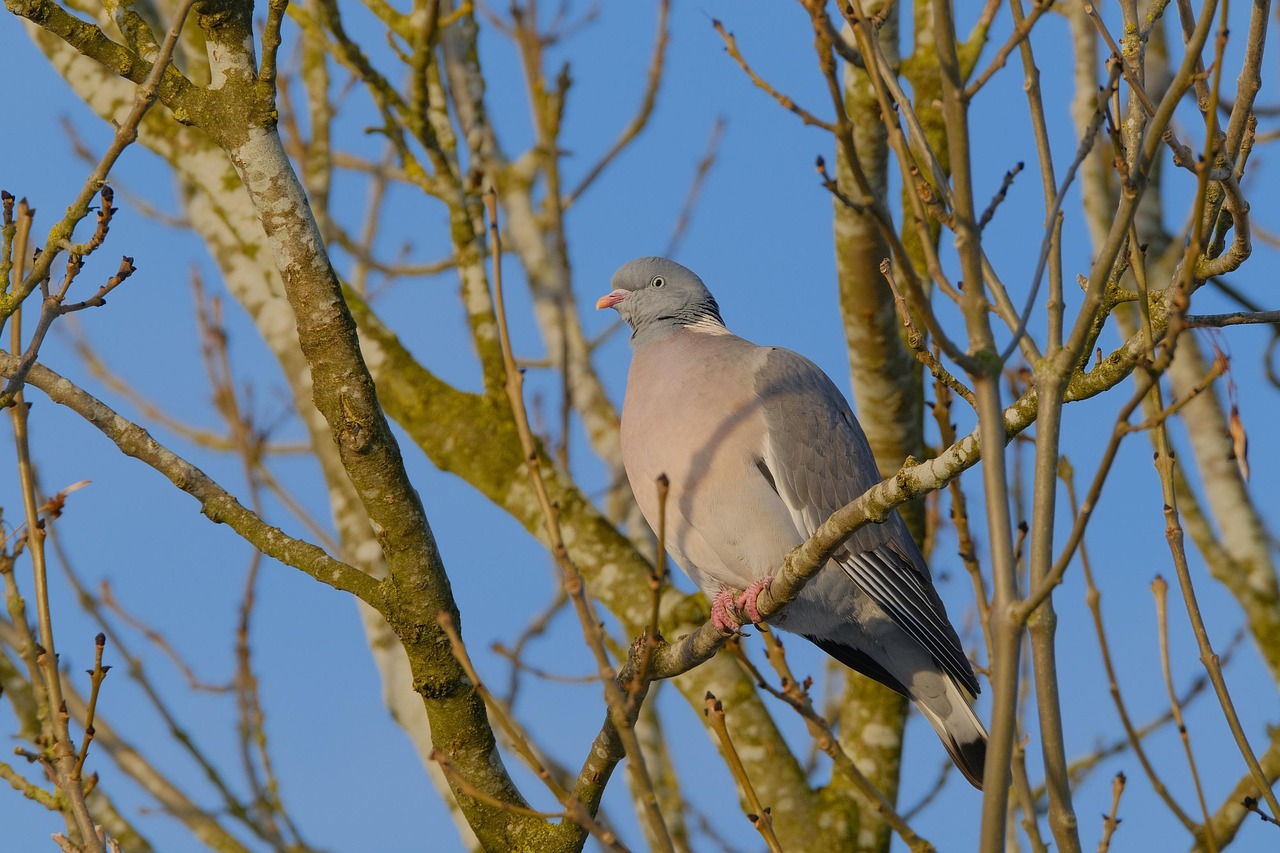
Pigeons, like all birds, require a balanced diet rich in essential vitamins and supplements to thrive. Proper nutrition supports their immune system, feather quality, and overall vitality, especially in racing or breeding scenarios. This article explores the key vitamins and supplements necessary for optimal pigeon health and performance.
Understanding Pigeon Nutritional Needs
Pigeons have specific dietary requirements that vary with age, activity level, and health status. A well-rounded diet ensures they get the necessary nutrients from grains, seeds, and supplements. Deficiencies can lead to issues like poor growth, weak immunity, or reduced racing performance, making supplementation crucial in many cases.
Basic Dietary Components
Pigeons primarily consume grains and seeds, which provide carbohydrates, proteins, and fats. However, these alone may not cover all vitamin and mineral needs, especially in high-stress environments. Supplements fill these gaps, supporting everything from digestion to energy metabolism. It's important to assess your pigeons' diet regularly to identify any lacking nutrients.
Common base foods include corn, wheat, and peas, but they often lack sufficient vitamins like A, D, and E. By understanding these basics, pigeon keepers can make informed decisions about when and how to introduce supplements. This proactive approach helps prevent health problems and enhances longevity.
Factors Influencing Nutrient Requirements
Several factors affect how much vitamins and supplements pigeons need, such as their life stage, breeding status, and environmental conditions. For instance, breeding pigeons require extra calcium and vitamins to support egg production and chick development. Similarly, racing pigeons need higher energy and immune-boosting supplements to cope with physical stress.
Seasonal changes also play a role; colder months might necessitate more fat-soluble vitamins for insulation, while hot weather could increase the need for electrolytes. Monitoring these factors allows for tailored supplementation, ensuring pigeons receive optimal nutrition year-round. Regular health checks can guide adjustments to their diet.
Key Vitamins for Pigeon Health
Vitamins are vital organic compounds that pigeons cannot synthesize in sufficient amounts, so they must be obtained through diet or supplements. They play roles in immune function, vision, and cellular processes. This section covers the most important vitamins and their benefits for pigeons.
Vitamin A and Its Benefits
Vitamin A is essential for maintaining good vision, skin health, and immune function in pigeons. A deficiency can lead to eye problems, respiratory issues, and poor feather quality. It's commonly found in green leafy vegetables and certain supplements, but pigeons may not get enough from seeds alone.
Supplementing with vitamin A can improve breeding success and overall vitality. It's particularly important during molting periods when new feathers are growing. Over-supplementation should be avoided, as it can cause toxicity, so follow recommended dosages based on your pigeons' needs and consult a vet if unsure.
Vitamin D and Calcium Absorption
Vitamin D is crucial for calcium metabolism, which supports strong bones and eggshell formation in breeding pigeons. Pigeons can produce vitamin D through sunlight exposure, but indoor or low-light conditions may require supplementation. A lack of vitamin D can lead to rickets or weak bones.
Supplements often combine vitamin D with calcium to enhance absorption. This is especially important for young, growing pigeons and laying hens. Ensure a balanced approach, as excess vitamin D can be harmful. Regular access to natural light or UV lamps can help, but supplements provide a reliable backup.
Vitamin E and Antioxidant Properties
Vitamin E acts as a powerful antioxidant, protecting pigeons from oxidative stress and supporting muscle function. It's vital for racing pigeons, as it helps reduce fatigue and improve recovery after flights. Deficiencies can cause neurological issues or reproductive problems.
Sources include wheat germ oil and specialized supplements. Incorporating vitamin E into the diet can boost immunity and overall performance. It works synergistically with selenium, another important mineral, so consider combined supplements for maximum benefit. Monitor for signs of deficiency, such as weakness or poor coordination.
Essential Minerals and Supplements
Minerals are inorganic elements that support various bodily functions, from bone formation to enzyme activity. Pigeons need a range of minerals, often provided through supplements, to complement their grain-based diets. This section highlights key minerals and how to administer them effectively.
Calcium and Phosphorus Balance
Calcium is critical for bone health, nerve function, and egg production, while phosphorus aids in energy transfer. An imbalance can lead to issues like soft bones or poor egg quality. Pigeons typically get phosphorus from grains, but calcium may need supplementation, especially during breeding.
Common sources include crushed oyster shells or calcium powders. Aim for a calcium-to-phosphorus ratio of about 2:1 to prevent deficiencies. Over-supplementation can cause kidney problems, so use measured amounts. Regularly check for signs of imbalance, such as lameness or reduced egg laying.
Electrolytes for Hydration and Recovery
Electrolytes like sodium, potassium, and chloride are essential for maintaining fluid balance and nerve function. They are particularly important for racing pigeons or those in hot climates, as losses through sweat and exertion can lead to dehydration and fatigue.
Supplementing with electrolyte solutions can improve recovery times and overall stamina. Add them to drinking water during stressful periods, such as after races or during illness. Avoid overuse, as it can disrupt mineral balance. Look for products designed specifically for birds to ensure safety and efficacy.
Trace Minerals and Their Roles
Trace minerals, such as iron, zinc, and selenium, are needed in small amounts but play significant roles in health. Iron supports oxygen transport in blood, zinc aids in immune function and wound healing, and selenium works with vitamin E as an antioxidant.
Deficiencies can cause anemia, slow growth, or weakened immunity. Supplements often include these in balanced formulas. Use them as part of a comprehensive diet plan, and avoid excess, which can be toxic. Regular blood tests or vet consultations can help monitor levels and adjust supplementation as needed.
Supplement Administration and Best Practices
Administering vitamins and supplements correctly is key to ensuring pigeons benefit without risks. This involves choosing the right products, determining proper dosages, and integrating them into daily routines. Follow these guidelines to maximize effectiveness and safety.
Choosing the Right Supplements
Select supplements based on your pigeons' specific needs, such as age, health status, and activity level. Look for reputable brands that offer balanced formulas without unnecessary additives. Powdered or liquid forms are often easier to mix with food or water.
Consider factors like solubility and palatability to ensure pigeons consume them willingly. Reading labels for ingredient lists and recommended uses can prevent mistakes. It's wise to start with small amounts and observe for any adverse reactions before full implementation.
Dosage and Timing Guidelines
Proper dosage depends on factors like body weight and environmental stress. Overdosing can cause toxicity, while underdosing may not provide benefits. Follow manufacturer instructions or vet recommendations closely, and adjust based on seasonal or health changes.
Timing is also important; for example, give energy-boosting supplements before races and recovery aids afterward. Consistency in administration helps maintain stable nutrient levels. Keep a log of supplement use to track effects and make informed adjustments over time.
Mixing with Food and Water
Most supplements can be mixed with pigeons' regular food or drinking water for easy consumption. Powders blend well with grains, while liquids are ideal for water sources. Ensure even distribution to prevent some pigeons from getting too much or too little.
Monitor water intake if using liquid supplements, as changes in taste might reduce consumption. Clean feeders and waterers regularly to avoid contamination. This method is efficient for flock management but requires diligence to maintain hygiene and effectiveness.
Common Health Issues and Prevention
Vitamin and mineral deficiencies can lead to various health problems in pigeons, but proper supplementation can prevent many issues. This section discusses common ailments linked to nutrition and how to address them proactively.
Identifying Deficiency Symptoms
Watch for signs like lethargy, poor feather condition, or reduced appetite, which may indicate vitamin deficiencies. For example, vitamin A lack can cause eye discharge, while calcium deficiency might show as weak bones or egg binding. Early detection allows for quick intervention.
Regular health checks and observation are key. If symptoms persist, consult a vet for accurate diagnosis. Keeping a health journal can help track patterns and link them to dietary changes, making it easier to prevent recurrences.
Preventing Over-Supplementation Risks
While supplements are beneficial, excess can cause toxicity, such as vitamin D overdose leading to kidney damage or mineral imbalances. Stick to recommended doses and avoid combining multiple supplements without guidance.
Use blood tests or professional advice to monitor nutrient levels. Educate yourself on safe practices, and choose high-quality products to minimize risks. Prevention is always better than cure, so balance supplementation with a natural diet whenever possible.
Integrating Supplements into Routine Care
Make supplementation a regular part of pigeon care, tailored to their lifecycle and activities. For instance, increase vitamins during molting or breeding seasons. This proactive approach supports long-term health and reduces vet visits.
Combine supplements with good hygiene, proper housing, and regular exercise for holistic care. By integrating these practices, you can enhance your pigeons' quality of life and performance, ensuring they stay healthy and active.
Conclusion
In summary, providing essential vitamins and supplements is crucial for maintaining pigeon health, supporting everything from immunity to breeding success. By understanding their needs and administering supplements wisely, keepers can prevent deficiencies and promote vitality. For expert guidance and tools to manage your flock effectively, consider using Ghawy – Pigeon Manager to streamline your care routine and ensure optimal nutrition.