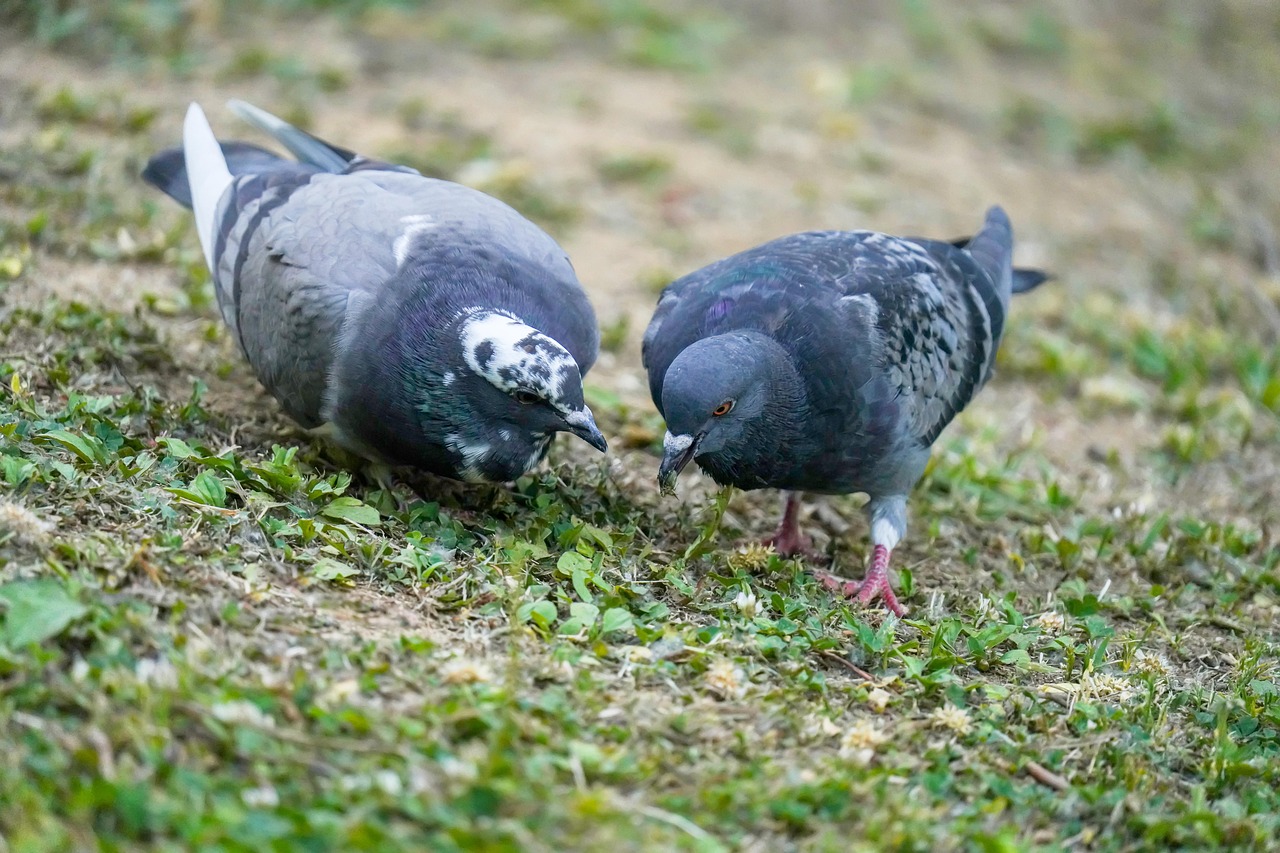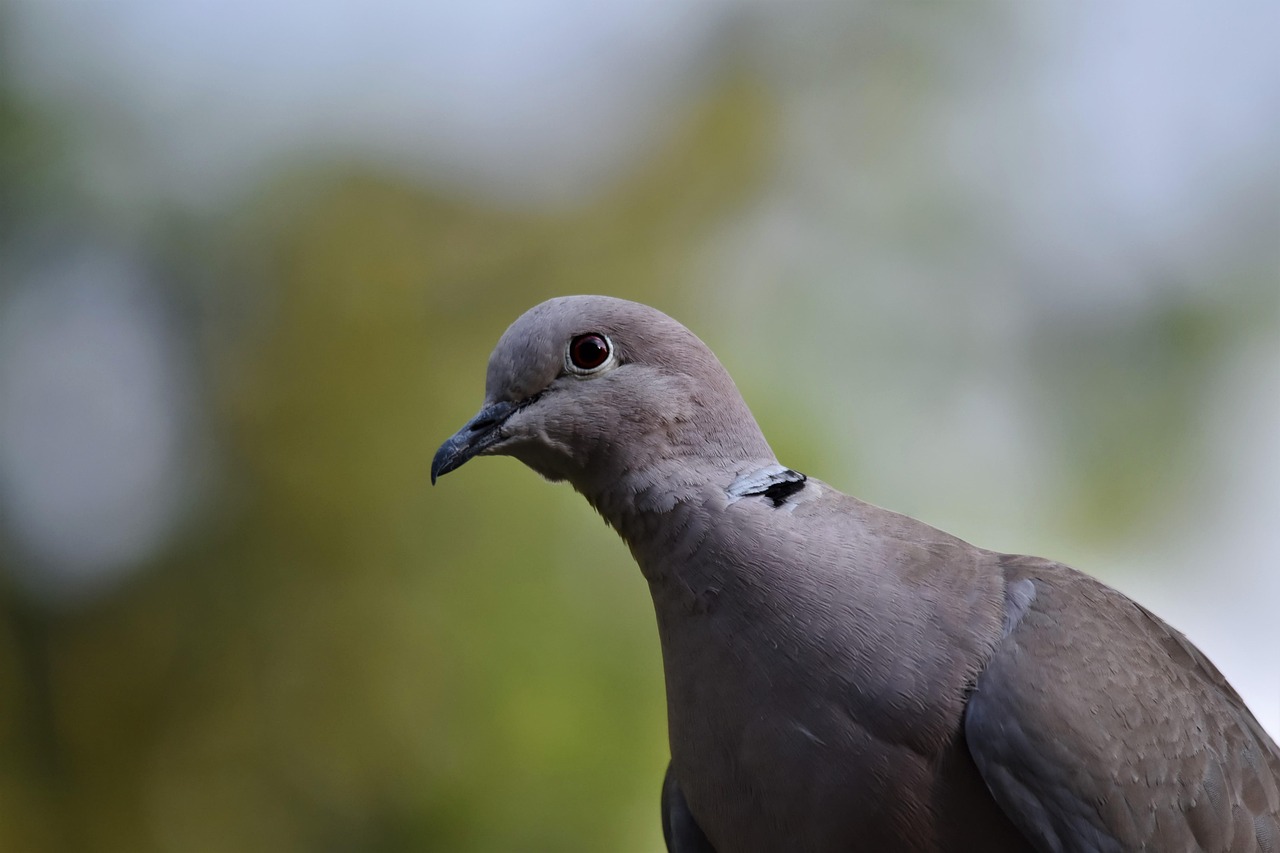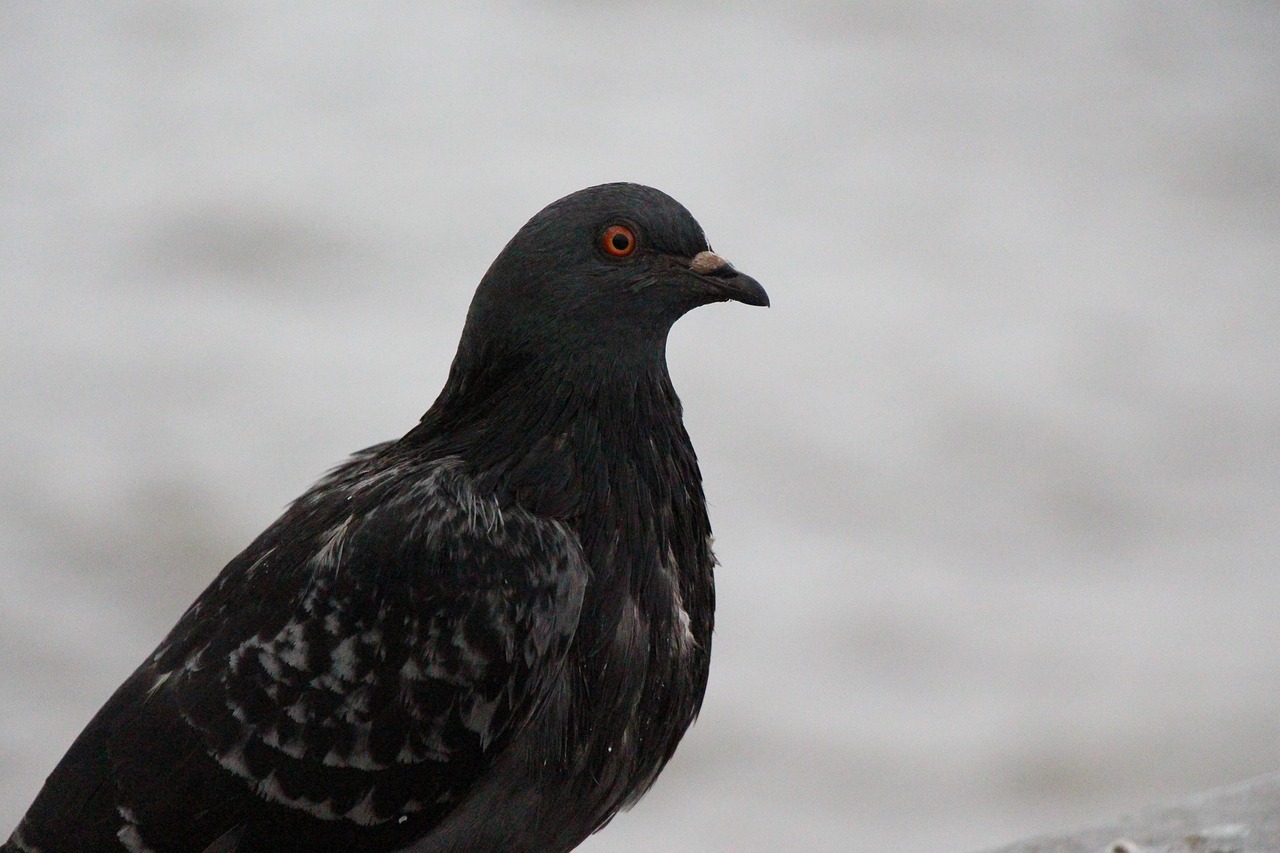
In the world of fancy pigeon breeding, the aesthetic and monetary value of your birds is profoundly influenced by their physical conformation. While color and feather patterns capture initial attention, seasoned enthusiasts know that the true markers of excellence and value lie in the structural details, particularly the shoulders and frontal profile. This article delves into the critical role of shoulder genetics and pigeon morphology improvement, offering actionable insights to help you breed pigeons that stand out in both shows and sales, effectively doubling their worth through strategic selection.
The Foundation of Value: Understanding Pigeon Morphology
Pigeon morphology, the study of form and structure, is the cornerstone of breeding for value. It goes beyond mere appearance to encompass the functional and aesthetic harmony of a bird's body. In fancy pigeons, morphology determines not only how a pigeon looks but also how it moves and presents itself, directly impacting its desirability and price in competitive markets. By focusing on morphology improvement, breeders can enhance traits that are highly prized, such as posture, balance, and overall elegance, making their pigeons more attractive to judges and buyers alike.
Why Shoulder and Frontal Traits Matter Most
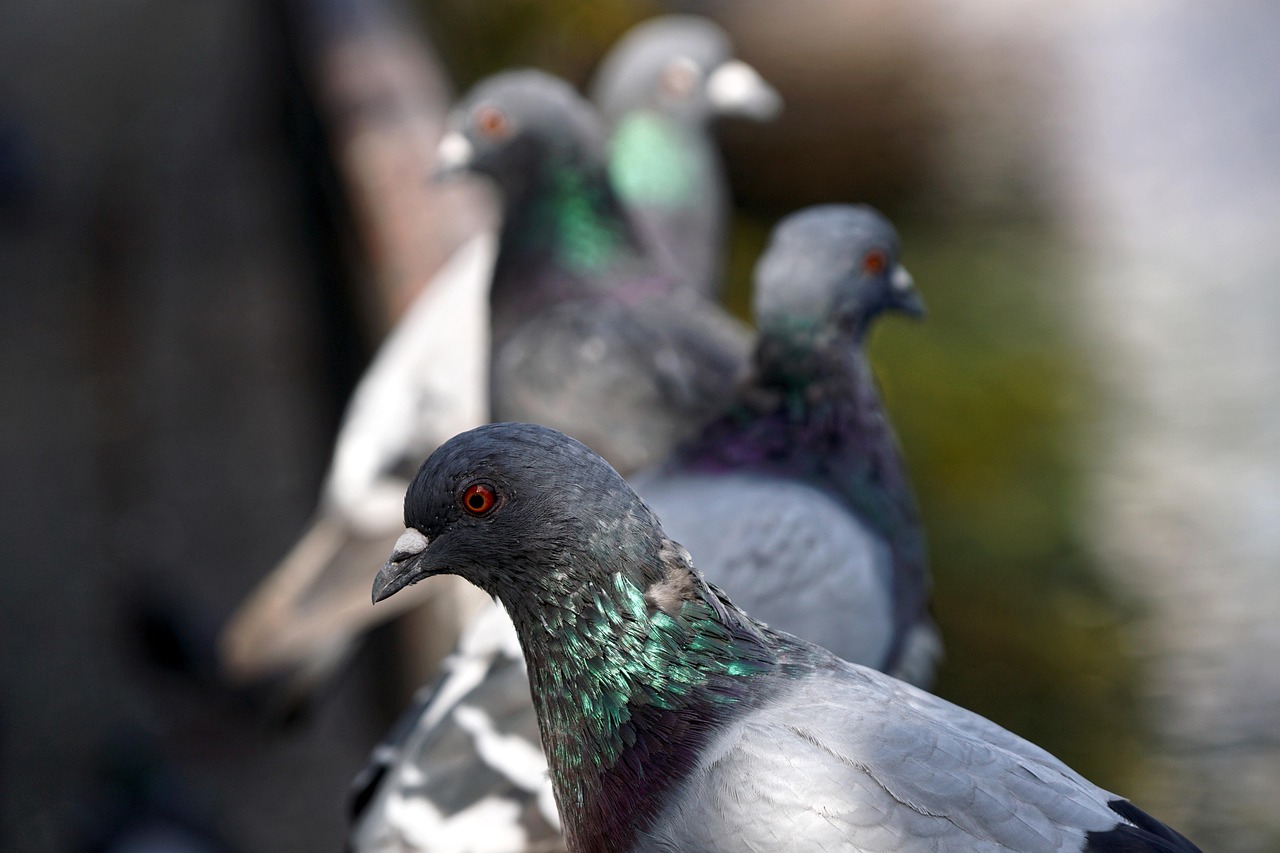
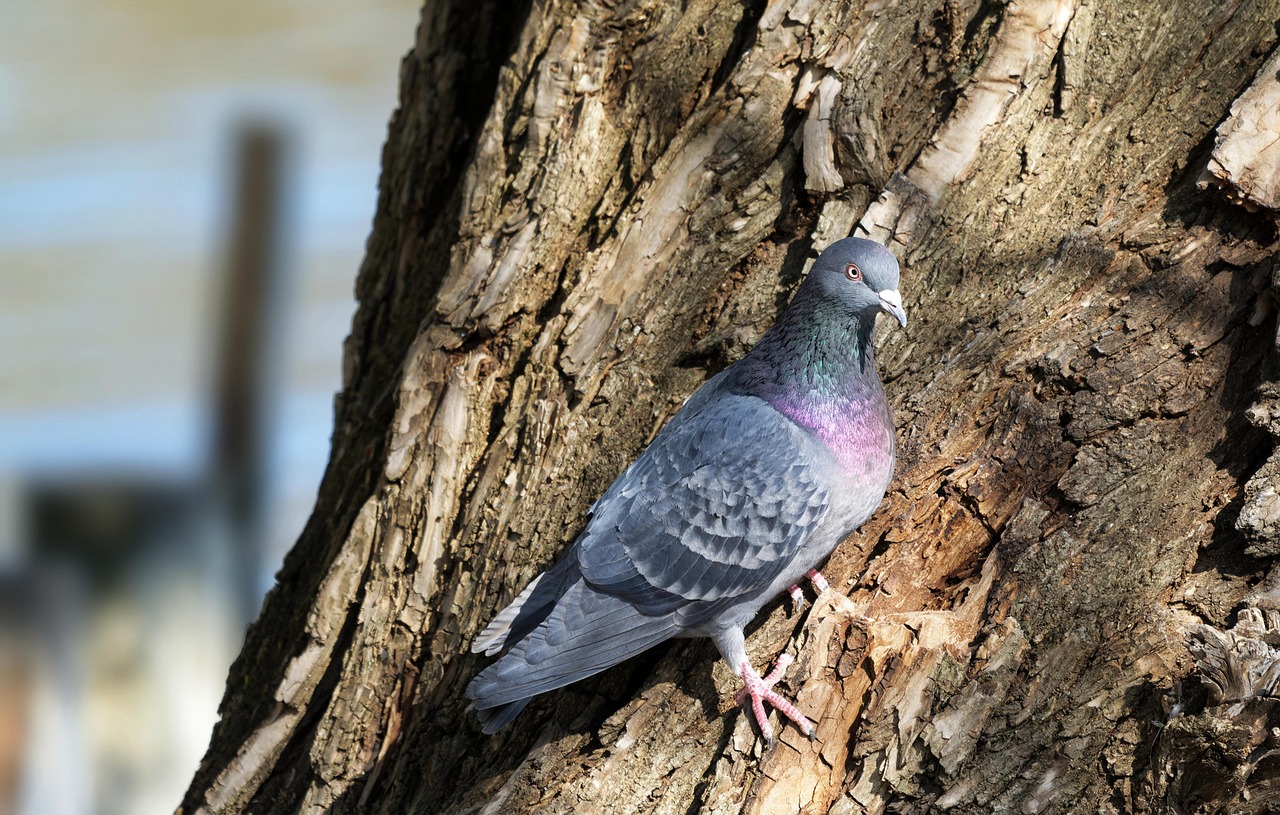
The shoulders and frontal area—comprising the head, beak, and eyes—are pivotal in pigeon morphology because they define the bird's silhouette and expression. Shoulders influence the wing carriage and overall stance, while the frontal profile contributes to character and breed-specific standards. For instance, in breeds like Modenas or Tumblers, well-developed shoulders ensure a proud, upright posture, whereas a refined frontal area with a strong beak and alert eyes conveys health and vitality. Neglecting these aspects can lead to pigeons that appear unbalanced or lack the distinctive features that command higher prices, underscoring the importance of targeted breeding for these traits.
Moreover, shoulder genetics play a crucial role in pigeon morphology improvement by affecting muscle attachment and flight capability, even in show birds. Strong shoulders support better wing movement and stability, which can enhance a pigeon's presentation during exhibitions. By prioritizing these genetic factors, breeders can produce offspring that not only meet but exceed breed standards, thereby increasing their market value. This approach requires a deep understanding of inheritance patterns and selective pairing, as we will explore in later sections.
Decoding Shoulder Genetics for Superior Pigeons
Shoulder genetics involve the hereditary transmission of traits related to the scapula, humerus, and associated muscles. In pigeons, these genetics determine the width, angle, and muscularity of the shoulders, which in turn affect posture and movement. For breeders aiming to double their pigeon's value, mastering shoulder genetics is essential, as it allows for the consistent production of birds with ideal conformations that are highly sought after in shows and sales.
Key Genetic Markers and Their Impact
Several genetic markers influence shoulder development in pigeons. Dominant genes often control broader shoulders and stronger muscle attachments, while recessive traits might lead to narrower or weaker structures. For example, in breeds like Homers, a genetic predisposition for robust shoulders is linked to endurance and strength, making these birds valuable for both performance and aesthetics. By identifying and selecting for these markers, breeders can improve pigeon morphology systematically, ensuring that each generation exhibits enhanced shoulder traits that contribute to overall value.
Additionally, shoulder genetics interact with other morphological features, such as wing length and body proportion. A pigeon with well-balanced shoulder genetics will typically have wings that sit neatly against the body, creating a streamlined appearance. This harmony is critical for show success, as judges often penalize birds with awkward or disproportionate shoulders. Through careful record-keeping and genetic testing where possible, breeders can track these traits and make informed decisions to amplify desirable characteristics, ultimately leading to pigeons that fetch premium prices due to their superior conformation.
Breeding Strategies for Optimal Shoulder Development
To leverage shoulder genetics effectively, breeders should adopt strategic breeding practices. Start by selecting parent birds with exemplary shoulder traits—look for broad, well-muscled shoulders that align with breed standards. Pairing complementary individuals can help reinforce these traits in offspring; for instance, mating a pigeon with strong shoulders but average frontal features with one that excels in frontal profile can produce balanced progeny. Over generations, this focused approach to pigeon morphology improvement will yield birds with consistently high-value shoulders.
It's also important to consider environmental factors that support genetic expression. Proper nutrition, especially protein-rich diets, and adequate exercise can enhance shoulder development in growing pigeons. By combining genetic selection with optimal care, breeders maximize the potential of shoulder genetics, resulting in pigeons that not only look impressive but also possess the structural integrity to maintain their value over time. This holistic strategy is key to doubling your pigeon's worth through targeted improvements.
Enhancing Frontal Profile for Maximum Appeal
The frontal profile of a pigeon, encompassing the head, beak, eyes, and cere, is a major determinant of its aesthetic appeal and breed identity. In fancy pigeons, a refined frontal area signals quality and adherence to standards, directly influencing value. By focusing on frontal traits, breeders can create pigeons with striking appearances that captivate judges and buyers, making morphology improvement in this area a lucrative endeavor.
Critical Frontal Traits and Their Selection
When selecting for frontal profile, key traits to prioritize include head shape, beak strength and curvature, eye color and placement, and cere development. For example, in breeds like Fantails, a rounded head and bright, expressive eyes are highly valued, while in Carriers, a strong, straight beak is essential. By understanding these breed-specific requirements, breeders can target their efforts to enhance the most impactful traits. Observing top-winning pigeons in shows can provide insights into ideal frontal characteristics, guiding selection decisions for your breeding program.
Moreover, frontal traits are often influenced by multiple genes, making their improvement a complex but rewarding challenge. Through selective breeding, you can gradually enhance these features over generations. For instance, pairing pigeons with complementary frontal strengths—such as one with excellent head shape and another with superior beak quality—can produce offspring that excel in both areas. This methodical approach to pigeon morphology improvement ensures that your birds develop frontal profiles that not only meet but exceed expectations, boosting their market value significantly.
Practical Tips for Frontal Enhancement
To improve frontal profile in your pigeons, implement practical breeding and care techniques. Maintain detailed records of frontal traits across generations to identify patterns and successful pairings. Provide a nutrient-rich diet that supports healthy development of beak and cere structures, as deficiencies can lead to deformities that detract from value. Regular health checks are also crucial to address any issues early, ensuring that frontal features remain pristine.
- Select parent birds with proven frontal excellence based on show results or peer reviews.
- Use visual assessments and photographs to track changes in frontal traits over time.
- Incorporate environmental enrichment, such as perches that encourage natural head positioning, to promote optimal frontal development.
By integrating these tips into your breeding regimen, you can achieve consistent improvements in frontal profile, making your pigeons more attractive and valuable. This focus on detail-oriented care and selection is a hallmark of successful breeders who excel in pigeon morphology improvement.
Integrating Shoulder and Frontal Improvements for Holistic Value
While shoulder genetics and frontal profile are critical individually, their true power lies in integration. A pigeon with excellent shoulders but a poor frontal area, or vice versa, may still lack overall value. By breeding for balanced improvements in both areas, you create pigeons that exhibit harmonious morphology, elevating their worth exponentially. This holistic approach ensures that every aspect of the bird's structure contributes to its appeal and functionality.
Balancing Traits Through Selective Pairing
To integrate shoulder and frontal improvements, use selective pairing strategies that consider both sets of traits. Analyze potential parent birds for their strengths and weaknesses in shoulder and frontal areas, aiming for combinations that complement each other. For example, if one pigeon has strong shoulders but an average beak, pair it with a bird that excels in beak quality but has moderate shoulders. Over time, this can produce offspring with enhanced traits in both domains, leading to more valuable pigeons through systematic pigeon morphology improvement.
Additionally, consider the overall breed standards when balancing traits. Some breeds may prioritize shoulders over frontal profile, or vice versa, so tailor your approach accordingly. By aligning your breeding goals with these standards, you ensure that your pigeons not only look good but also conform to expectations, increasing their competitiveness in shows and their appeal to buyers. This strategic integration is key to doubling value, as it produces well-rounded birds that excel in multiple criteria.
Monitoring Progress and Adjusting Strategies
Effective integration requires ongoing monitoring and adjustment. Keep detailed logs of each breeding pair's offspring, noting improvements or declines in shoulder and frontal traits. Use this data to refine your pairing decisions in subsequent breeding seasons. For instance, if a particular cross consistently produces pigeons with excellent shoulders but weak frontal profiles, consider introducing new bloodlines to address the imbalance. This iterative process is essential for sustained pigeon morphology improvement and value enhancement.
Engage with other breeders and attend shows to gather feedback on your pigeons' integrated traits. This external perspective can highlight areas for improvement that you might overlook. By staying adaptable and responsive to results, you can continuously elevate the quality of your flock, ensuring that each generation brings you closer to the goal of doubling your pigeon's value through superior shoulder genetics and frontal refinement.
Conclusion
Doubling the value of your fancy pigeons is achievable through a focused approach on shoulder genetics and pigeon morphology improvement. By understanding and applying principles of shoulder development, enhancing frontal profiles, and integrating these traits holistically, you can breed birds that stand out in competitive markets. Remember, success in pigeon breeding hinges on patience, observation, and strategic selection. For those looking to streamline their efforts, consider using tools like Ghawy – Pigeon Manager (غاوي – إدارة الحمام) to track breeding progress and optimize your program. Start implementing these insights today to transform your flock into a high-value asset.