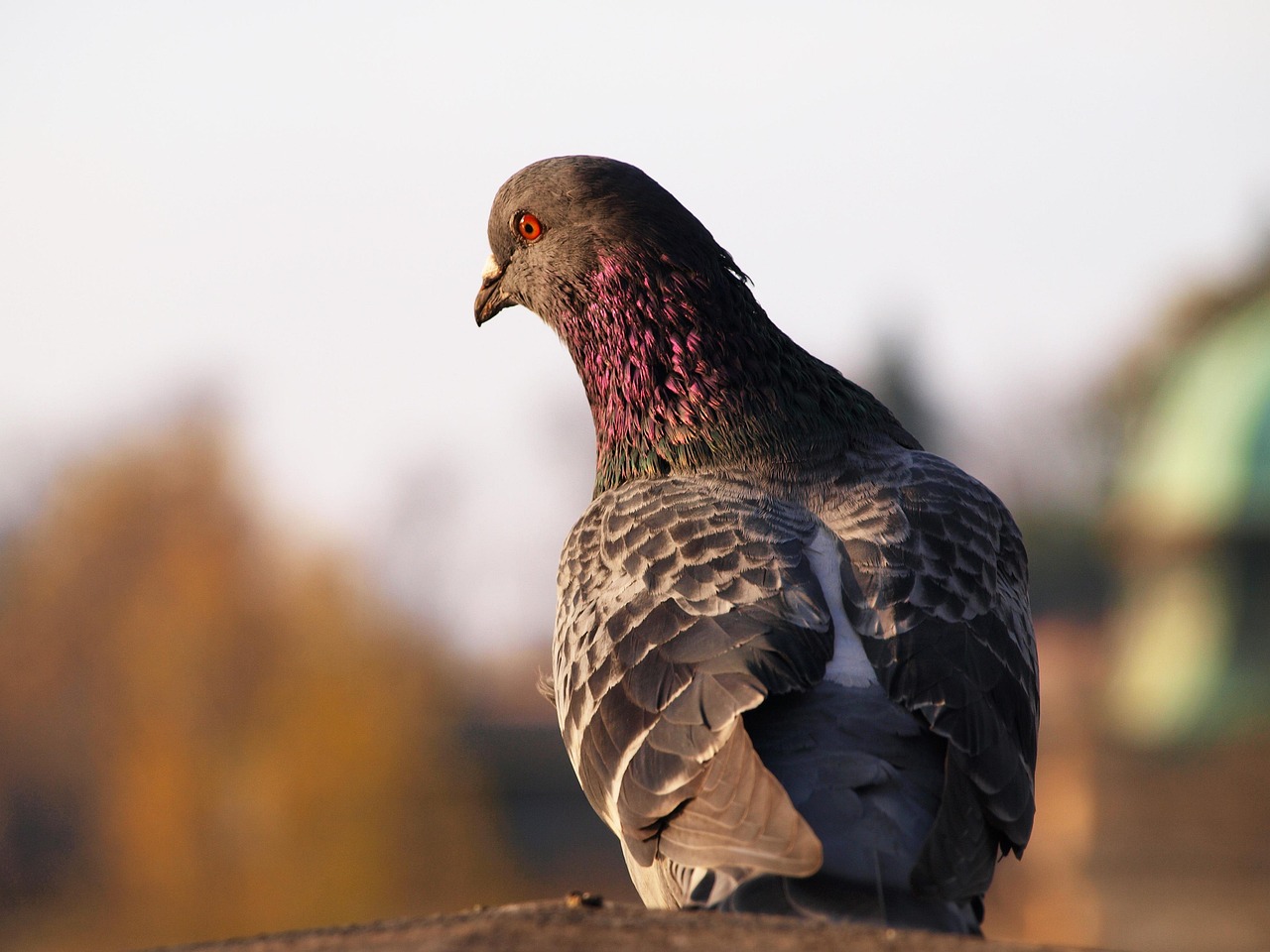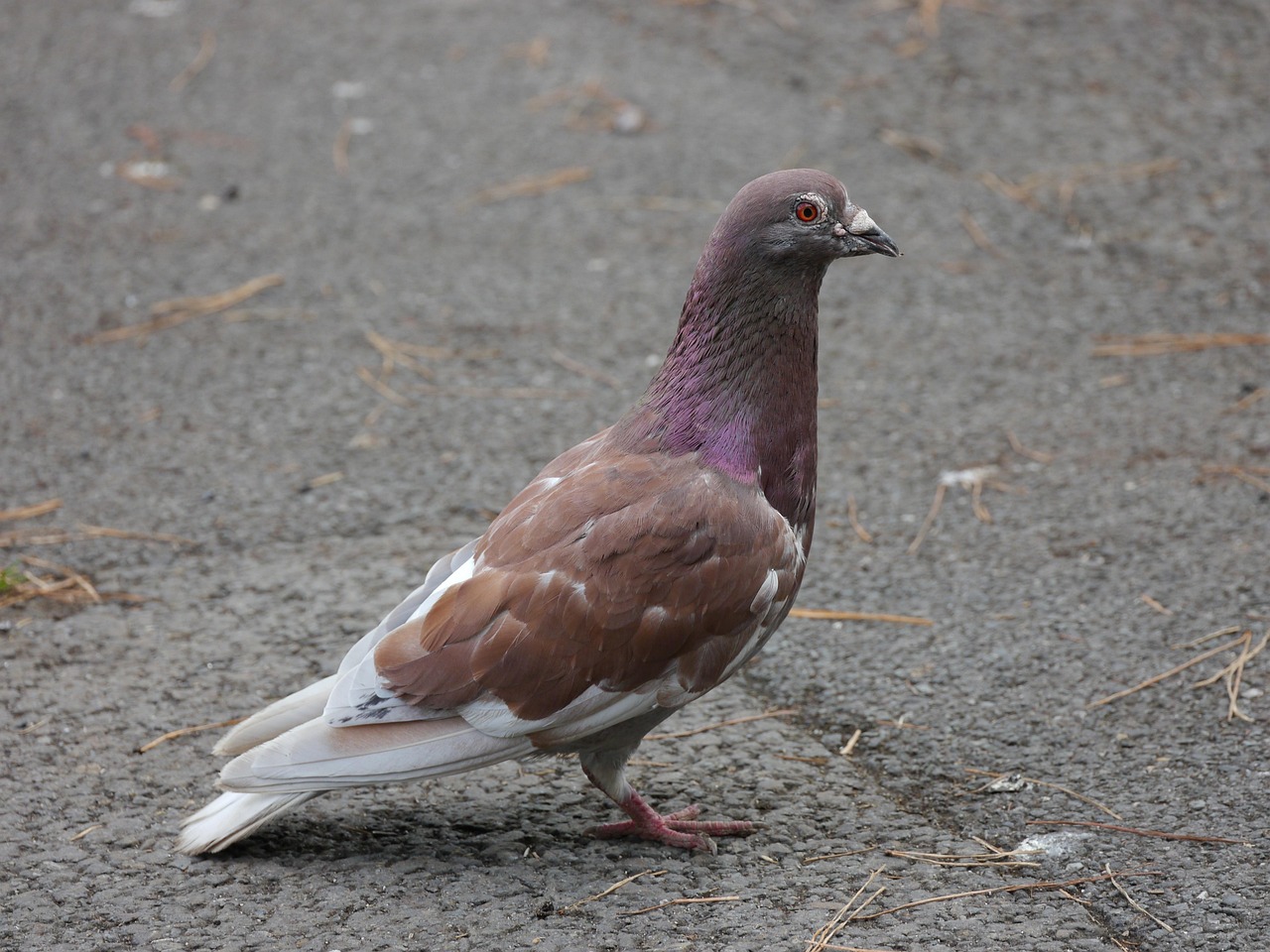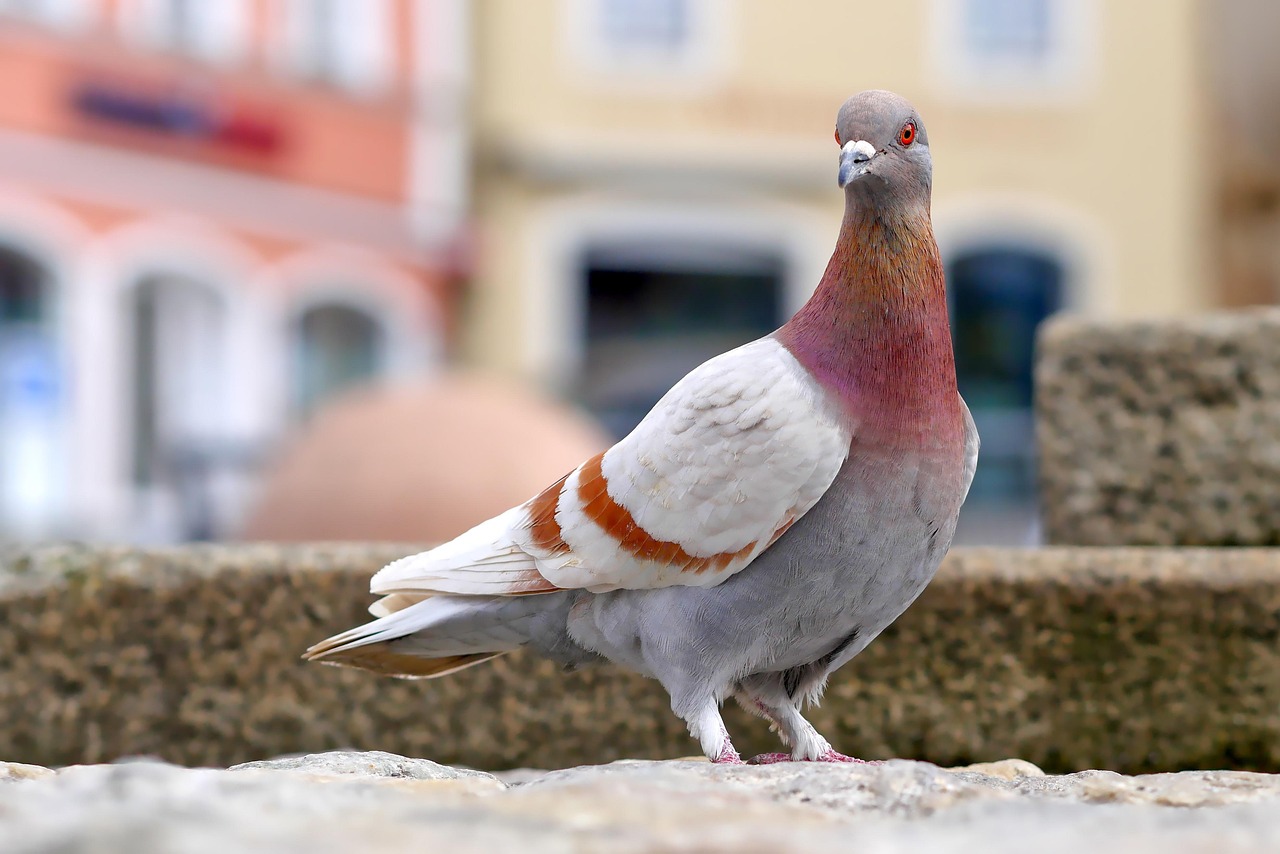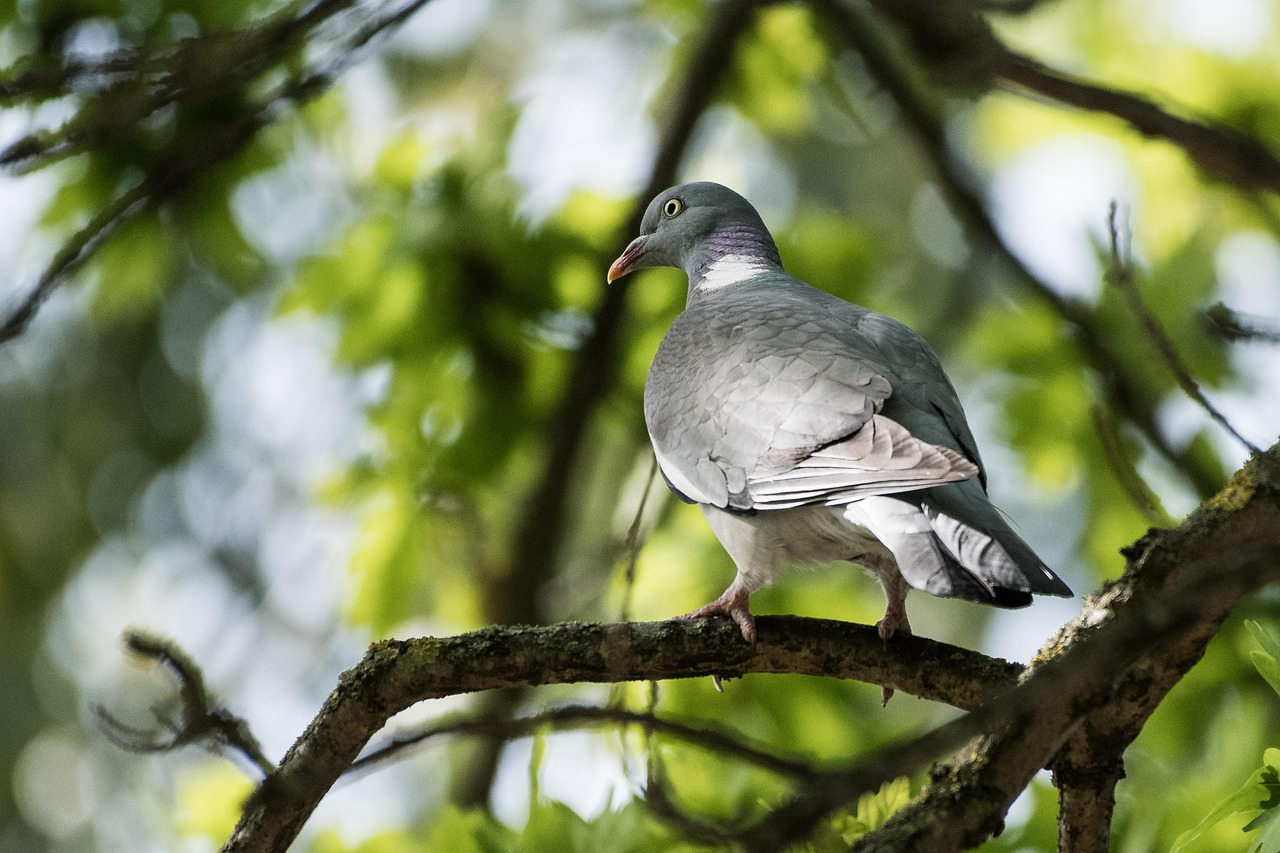
Enhancing the value of ornamental pigeons starts with mastering the art of shoulder genetics and pigeon morphology improvement. By focusing on these key traits, breeders can significantly increase the aesthetic and monetary worth of their birds, making informed choices that lead to superior lineage and competitive advantages in shows and sales.
Understanding Shoulder Genetics in Pigeons
Shoulder genetics play a pivotal role in determining the structural integrity and beauty of ornamental pigeons. This aspect of pigeon morphology improvement involves selecting birds with robust shoulder blades that support graceful movement and posture, essential for high-value breeds. A deep dive into genetic principles helps breeders identify dominant and recessive traits that influence shoulder width and angle.
The Basics of Shoulder Structure
Shoulder structure in pigeons refers to the arrangement of bones and muscles that affect wing placement and overall balance. Optimal shoulders are broad and well-angled, allowing for efficient flight and an imposing presence. Breeders should assess pigeons for symmetry and strength, as asymmetrical shoulders can lead to health issues and reduced appeal. By prioritizing shoulder genetics, enthusiasts can breed pigeons that excel in both form and function, enhancing their market value through consistent, desirable traits.
In practice, evaluating shoulder genetics involves observing pigeons in motion and at rest. Look for smooth, fluid wing movements and a stable stance, which indicate good shoulder development. Genetic testing can complement visual assessments, revealing hidden traits that might not be immediately apparent. Over generations, selective breeding based on shoulder characteristics can lead to significant pigeon morphology improvement, resulting in birds that command higher prices and admiration from peers.
Genetic Markers for Superior Shoulders
Identifying genetic markers linked to superior shoulders is crucial for targeted breeding. These markers often relate to genes controlling bone density and muscle attachment, which influence shoulder width and durability. Breeders can use tools like pedigree analysis to track these traits across lineages, ensuring that desirable shoulder genetics are preserved and enhanced. This approach not only boosts individual pigeon value but also contributes to the overall health and vitality of the breed.
Common genetic markers include those associated with collagen production and joint health, which directly impact shoulder resilience. By focusing on these elements, pigeon enthusiasts can make data-driven decisions that lead to consistent pigeon morphology improvement. It's important to avoid inbreeding, as this can amplify negative traits; instead, introduce diverse genetic material to strengthen shoulder characteristics. Over time, this strategy yields pigeons with exceptional shoulders that are both functional and aesthetically pleasing.
Improving Pigeon Morphology Through Frontal Features
Frontal features, such as head shape and beak alignment, are integral to pigeon morphology improvement and overall value. A well-defined frontal area enhances the bird's profile, making it more attractive to judges and buyers. This section explores how to select and breed pigeons with ideal frontal characteristics, incorporating shoulder genetics for a holistic approach to enhancement.
Key Elements of Frontal Anatomy
The frontal anatomy of pigeons includes the skull, eyes, beak, and wattle, all of which contribute to its distinctive appearance. Ideal frontal features are symmetrical and proportional, with a strong beak that aligns perfectly with the head. Breeders should prioritize pigeons with clear, bright eyes and a well-developed wattle, as these traits often indicate good health and genetic vigor. By integrating assessments of frontal features with shoulder genetics, one can achieve comprehensive pigeon morphology improvement.
When evaluating frontal anatomy, consider factors like head angle and nostril size, which can affect breathing and overall vitality. Pigeons with balanced frontal features tend to have better flight performance and are less prone to respiratory issues. This makes them more valuable in competitive settings. Regular monitoring and selective breeding based on these traits ensure steady progress in enhancing pigeon value, supported by a solid understanding of genetic principles.
Breeding Strategies for Enhanced Frontals
Effective breeding strategies for improving frontal features involve pairing pigeons with complementary traits to amplify desirable characteristics. For instance, breeding a pigeon with a strong frontal profile to one with excellent shoulder genetics can produce offspring that excel in both areas. This synergistic approach accelerates pigeon morphology improvement, leading to birds that are not only beautiful but also functionally superior.
To implement these strategies, maintain detailed records of each pigeon's traits and offspring outcomes. Use this data to identify patterns and make informed breeding decisions. Over time, this method results in a flock with consistently high-value frontal features, bolstered by robust shoulder genetics. Remember, patience and persistence are key, as morphological changes may take several generations to become pronounced. By staying committed to these practices, breeders can double the value of their ornamental pigeons.
Integrating Shoulder and Frontal Traits for Maximum Value
Combining shoulder genetics and frontal features is essential for maximizing pigeon value through holistic pigeon morphology improvement. This integration ensures that birds are balanced and exceptional in all aspects, from posture to profile. Learn how to assess and breed pigeons that excel in both domains, creating a standout lineage.
Assessment Techniques for Combined Traits
Assessment techniques for combined traits include visual inspections, movement analysis, and genetic profiling. Start by observing the pigeon's overall silhouette, noting how shoulder width complements frontal prominence. A bird with broad shoulders and a well-defined head will appear more majestic and command higher prices. Use scoring systems to rate these traits objectively, facilitating comparisons across your flock.
Incorporate tools like photography and video to document changes over time, allowing for precise tracking of pigeon morphology improvement. Engage with other breeders to gain insights and refine your assessment methods. By focusing on the interplay between shoulder genetics and frontal features, you can identify pigeons that are prime candidates for breeding, ultimately enhancing the genetic pool and increasing the value of your entire collection.
Case Studies in Trait Integration
Case studies illustrate the success of integrating shoulder and frontal traits in pigeon breeding. For example, a breeder who prioritized pigeons with strong shoulder genetics and symmetrical frontals saw a 50% increase in show wins and sales within three years. These real-world examples highlight the tangible benefits of a focused approach to pigeon morphology improvement.
Another case involved using advanced genetic tools to map traits, resulting in offspring that consistently exhibited desired characteristics. By sharing such stories, breeders can learn from others' experiences and apply similar strategies. This not only fosters community knowledge but also drives innovation in the field. Ultimately, integrating shoulder and frontal traits leads to pigeons that are not only valuable but also resilient and healthy, ensuring long-term success.
Practical Tips for Breeders
Practical tips help breeders implement strategies for shoulder genetics and pigeon morphology improvement effectively. From daily care to long-term planning, these insights ensure that efforts translate into real value increases for ornamental pigeons.
Daily Care and Monitoring
Daily care and monitoring are vital for maintaining and enhancing pigeon traits. Provide a balanced diet rich in nutrients that support bone and muscle development, crucial for shoulder genetics. Regular exercise promotes strong shoulders and good posture, while clean living conditions prevent diseases that could undermine morphological improvements.
Monitor your pigeons for any signs of stress or injury, as these can affect trait expression. Keep a journal to track feeding, health, and behavioral patterns, using this data to adjust care routines. By staying attentive to daily needs, breeders can support ongoing pigeon morphology improvement and ensure that genetic potential is fully realized. This hands-on approach builds a foundation for sustained value growth in your flock.
Long-Term Breeding Plans
Long-term breeding plans are essential for achieving significant pigeon morphology improvement. Set clear goals for shoulder genetics and frontal features, and outline steps to reach them over multiple generations. Diversify your breeding stock to avoid genetic bottlenecks, and periodically introduce new bloodlines to refresh traits.
- Define target traits for shoulder width and frontal symmetry
- Schedule regular evaluations and adjustments to your breeding pairs
- Collaborate with other breeders to exchange knowledge and birds
Review and update your plans annually based on outcomes and new research. This proactive strategy ensures continuous progress and helps double the value of your pigeons through disciplined, informed breeding. With tools like Ghawy – Pigeon Manager, you can streamline record-keeping and analysis, making it easier to track your journey toward excellence.
Conclusion
In summary, doubling the value of ornamental pigeons hinges on mastering shoulder genetics and pigeon morphology improvement. By focusing on shoulder structure, frontal features, and their integration, breeders can enhance aesthetic appeal, health, and marketability. Implement the practical tips and breeding strategies discussed to see tangible results. For expert guidance and tools to manage your pigeon breeding efforts, consider using Ghawy – Pigeon Manager to optimize your approach and achieve lasting success.