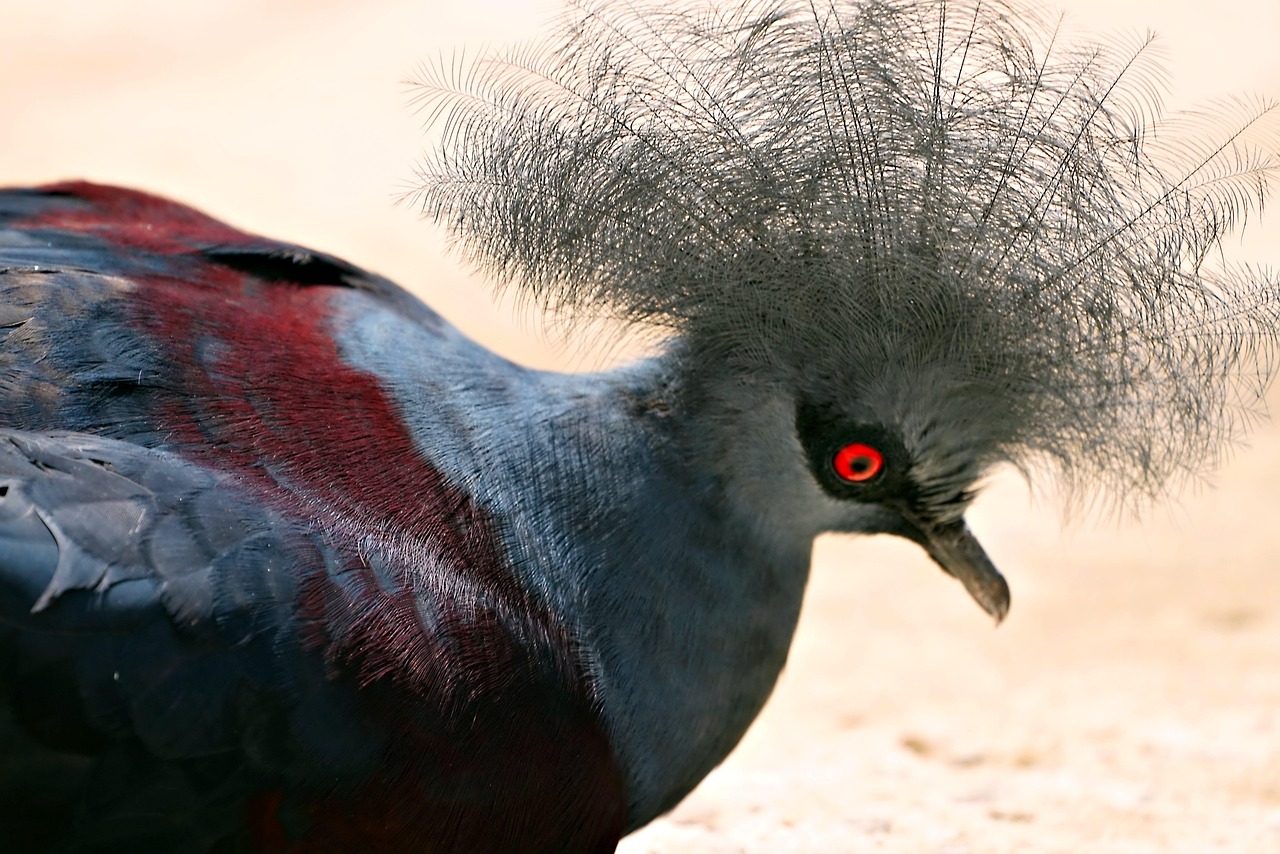
Technology has revolutionized pigeon training and tracking, offering precise tools for enthusiasts. This article explores modern methods to enhance pigeon care and performance. From GPS devices to training apps, discover how innovation supports this ancient hobby.
The Evolution of Pigeon Tracking Technology
Pigeon tracking has advanced from simple visual methods to sophisticated electronic systems. Early pigeon fanciers relied on observation and basic banding, but today's technology provides real-time data. This evolution has made pigeon racing and training more accurate and engaging for hobbyists worldwide.
Historical Methods and Their Limitations
In the past, pigeon tracking involved manual techniques like leg bands and visual spotting. These methods were time-consuming and prone to errors, especially over long distances. For instance, bands could be lost or misread, leading to inaccurate records of pigeon movements and health.
Despite their simplicity, these approaches laid the foundation for modern innovations. They highlighted the need for reliable tracking to monitor pigeon behavior and improve training outcomes. As technology progressed, electronic solutions emerged to address these limitations effectively.
Modern GPS and RFID Systems
GPS technology allows precise tracking of pigeon locations in real-time, using lightweight devices attached to the birds. These systems provide data on speed, distance, and routes, which is crucial for racing and training. RFID tags complement this by enabling identification and health monitoring without physical handling.
Advantages include reduced stress on pigeons and enhanced data accuracy for trainers. By integrating GPS with mobile apps, users can receive instant updates and analyze performance trends. This technology has become essential for competitive pigeon racing and efficient flock management.
Essential Tools for Pigeon Training
Training pigeons requires a combination of traditional skills and modern tools to achieve optimal results. Key instruments include electronic feeders, training lofts, and digital timers that help establish routines. These tools support consistent training schedules and improve pigeon responsiveness to commands.
Using technology in training not only speeds up the learning process but also minimizes human error. For example, automated systems can release pigeons at set times for homing exercises. This section delves into the most effective tools and how to integrate them into daily practices.
Electronic Feeders and Automated Systems
Electronic feeders dispense food at programmed intervals, reinforcing positive behaviors during training. They help in conditioning pigeons to return to specific locations by associating rewards with desired actions. Automated systems can also control lighting and environmental factors to simulate natural conditions.
These devices reduce the manual effort required for feeding and allow for precise timing in training sessions. By using sensors, they can adapt to pigeon behavior, ensuring that training is both efficient and humane. This technology is particularly useful for large flocks where individual attention is challenging.
Training Apps and Software Solutions
Mobile apps and software provide platforms for scheduling training, tracking progress, and analyzing data. Features often include logbooks for recording flights, health metrics, and social sharing among communities. These tools make it easier to identify patterns and adjust training methods accordingly.
For instance, apps can send reminders for feeding times or vet check-ups, ensuring comprehensive care. They also offer educational resources and support networks for trainers. By leveraging these digital solutions, pigeon enthusiasts can enhance their skills and achieve better training outcomes.
Benefits of Technology in Pigeon Care
Incorporating technology into pigeon care leads to improved health, safety, and overall well-being of the birds. It enables proactive monitoring of vital signs and early detection of issues like diseases or injuries. This proactive approach reduces mortality rates and enhances the quality of life for pigeons.
Moreover, technology fosters a deeper understanding of pigeon behavior through data analytics. Trainers can make informed decisions based on trends in activity and health metrics. This section highlights the key advantages and how they contribute to successful pigeon management.
Enhanced Health Monitoring and Disease Prevention
Wearable sensors and health apps track parameters such as heart rate, weight, and activity levels. This data helps in identifying early signs of illness, allowing for timely interventions. For example, changes in flight patterns might indicate stress or health problems that need attention.
Preventive measures include automated alerts for vaccinations or dietary adjustments. By maintaining detailed health records, trainers can work with veterinarians to develop personalized care plans. This technology ultimately supports longer, healthier lives for pigeons in captivity.
Improved Safety and Security Measures
Technology enhances pigeon safety through features like GPS tracking for lost birds and secure loft designs with electronic locks. Alarms and cameras can deter predators and monitor for unauthorized access, ensuring a safe environment. These measures are vital for protecting valuable racing pigeons.
In addition, digital records help in recovering stolen or stray pigeons by providing proof of ownership and location history. This security aspect gives peace of mind to trainers, allowing them to focus on training rather than constant vigilance. Overall, it builds a safer community for pigeon enthusiasts.
Implementing Technology in Daily Pigeon Management
Adopting technology in daily routines requires careful planning and integration to avoid overwhelming both trainers and pigeons. Start with basic tools like tracking devices and gradually incorporate advanced systems. This approach ensures a smooth transition and maximizes the benefits of technological aids.
Training sessions should be structured to include technology without replacing essential human interaction. For example, use apps to supplement hands-on training rather than as a sole method. This section provides practical tips for embedding technology into everyday pigeon care practices.
Step-by-Step Integration Strategies
Begin by assessing current practices and identifying areas where technology can add value, such as feeding or health checks. Introduce one tool at a time, like a GPS tracker, and train pigeons to acclimate to it. Monitor their response and adjust usage based on comfort levels to prevent stress.
Gradually expand to more complex systems, ensuring that all devices are user-friendly and reliable. Regular evaluation of the technology's impact helps in refining the approach. This methodical integration supports sustainable adoption and long-term success in pigeon management.
Common Challenges and Solutions
Challenges include cost barriers, technical issues, and pigeon resistance to new devices. Solutions involve researching affordable options, seeking community support, and using positive reinforcement during training. For instance, reward pigeons when they interact with tracking equipment to build acceptance.
Additionally, backup plans should be in place for technology failures, such as manual record-keeping. Engaging with online forums or local clubs can provide insights and troubleshooting advice. Overcoming these hurdles ensures that technology enhances rather than hinders pigeon care efforts.
Future Trends in Pigeon Technology
The future of pigeon technology promises even greater innovations, such as AI-driven analytics and IoT integration for smarter lofts. These advancements could predict behavior patterns and automate more aspects of care, making pigeon training more efficient and data-driven.
Emerging technologies may include biometric sensors for real-time health alerts and virtual reality for training simulations. This evolution will likely attract a new generation of enthusiasts by making the hobby more accessible and engaging. Explore what's on the horizon for tech-savvy pigeon trainers.
AI and Machine Learning Applications
AI can analyze vast amounts of data from tracking and health monitors to offer personalized training recommendations. Machine learning algorithms might identify optimal flight conditions or predict breeding outcomes, enhancing decision-making. This technology could revolutionize how trainers approach pigeon development.
Potential applications include automated coaching systems that adjust training based on performance metrics. As AI becomes more affordable, it could democratize access to advanced tools for all levels of enthusiasts. Embracing these trends will keep pigeon training at the forefront of animal care innovation.
Sustainability and Ethical Considerations
As technology advances, it's crucial to consider its environmental impact and ethical use in pigeon care. Sustainable practices include using energy-efficient devices and minimizing electronic waste. Ethical concerns involve ensuring that technology does not cause harm or stress to the birds.
Future developments should prioritize animal welfare, with guidelines for humane technology integration. By balancing innovation with responsibility, the pigeon community can enjoy benefits while upholding high standards of care. This focus ensures long-term viability and positive outcomes for both pigeons and trainers.
Conclusion
Technology has transformed pigeon tracking and training, offering tools for precision, health, and safety. From GPS systems to AI analytics, these innovations support better outcomes and deeper engagement. Embrace these advancements to elevate your pigeon care practices and achieve greater success in this rewarding hobby. For expert guidance and tools, consider exploring Ghawy – Pigeon Manager to streamline your management efforts.