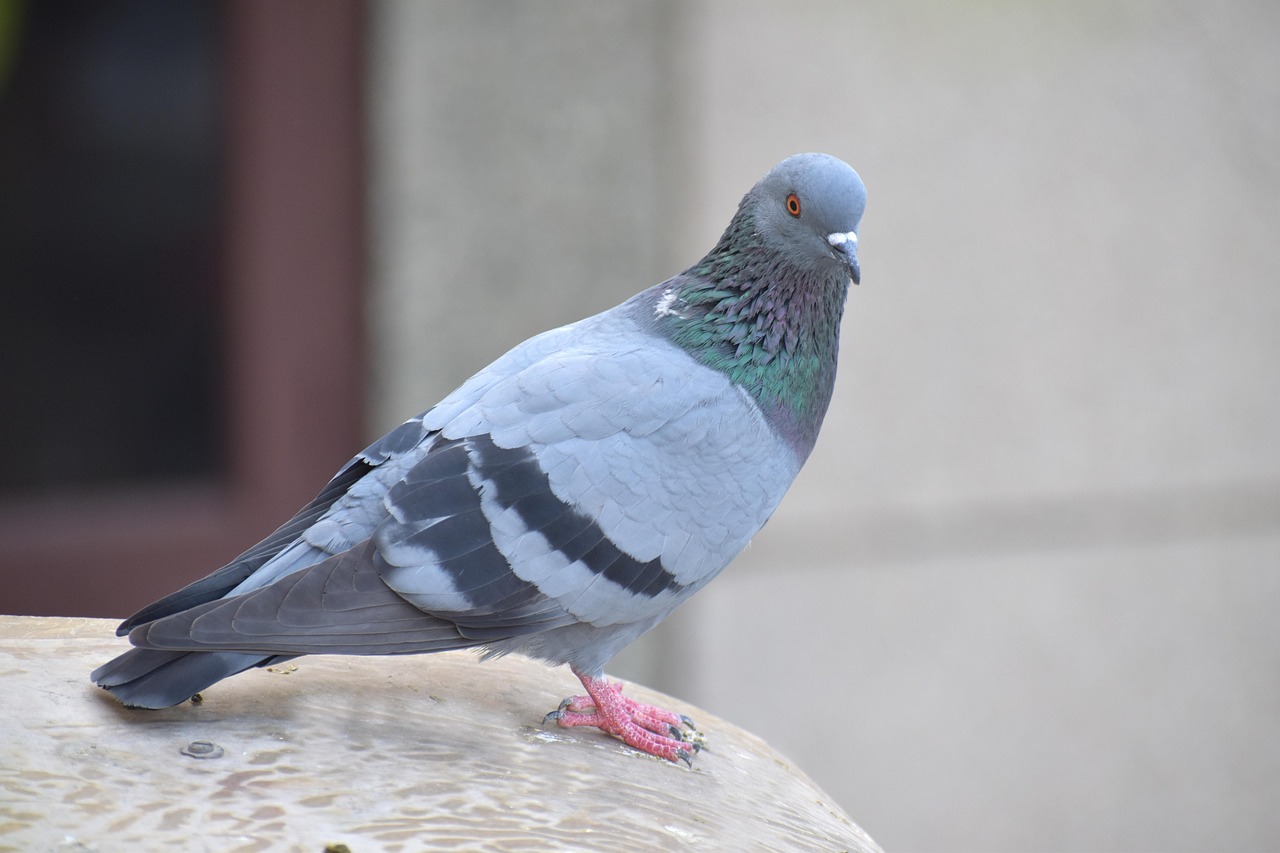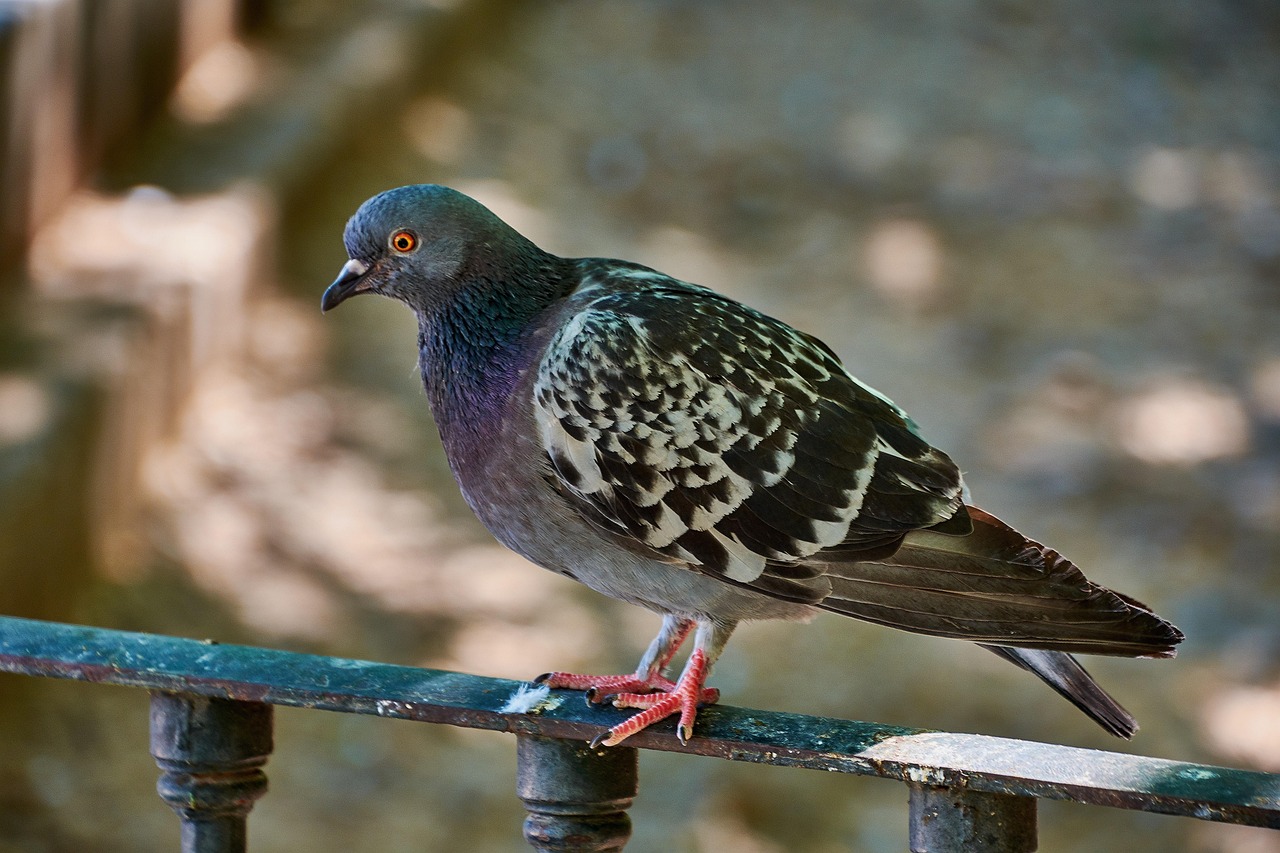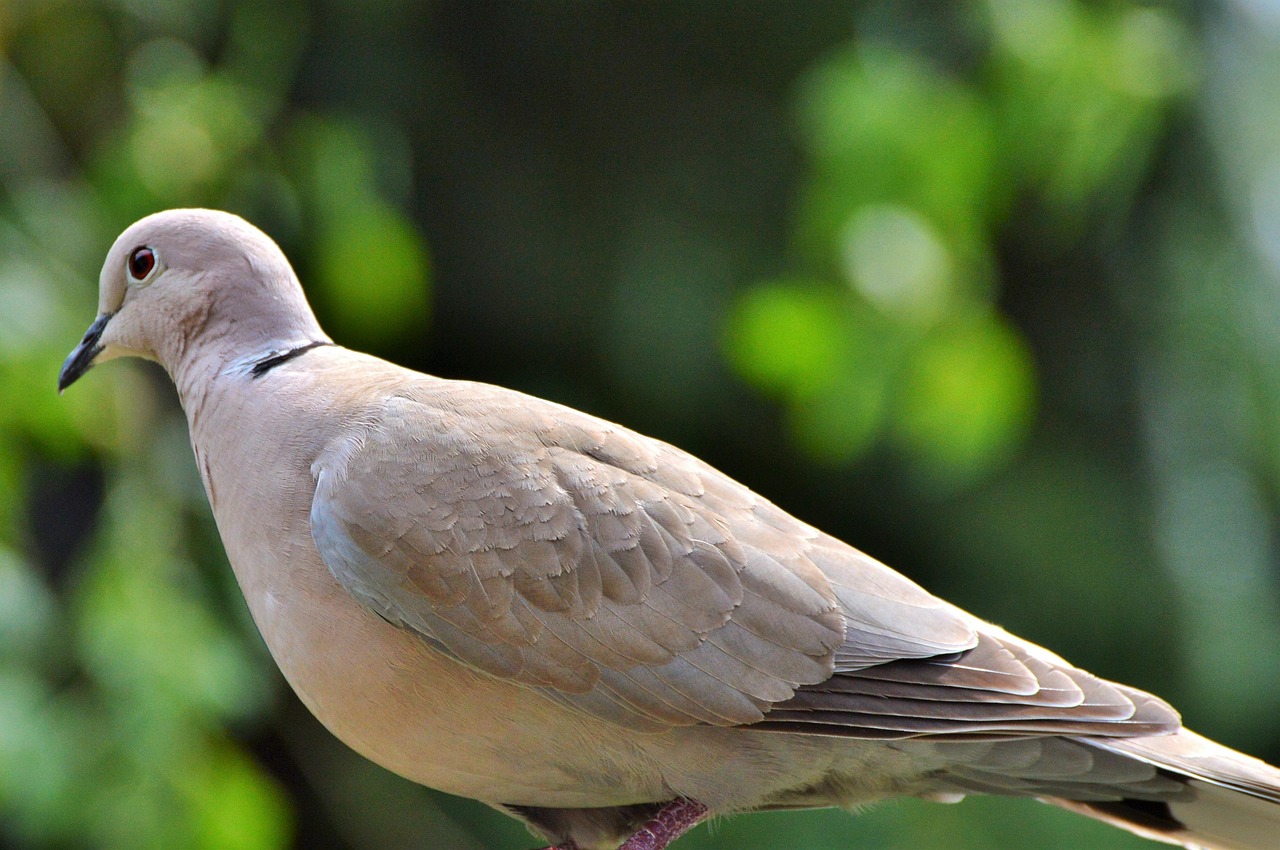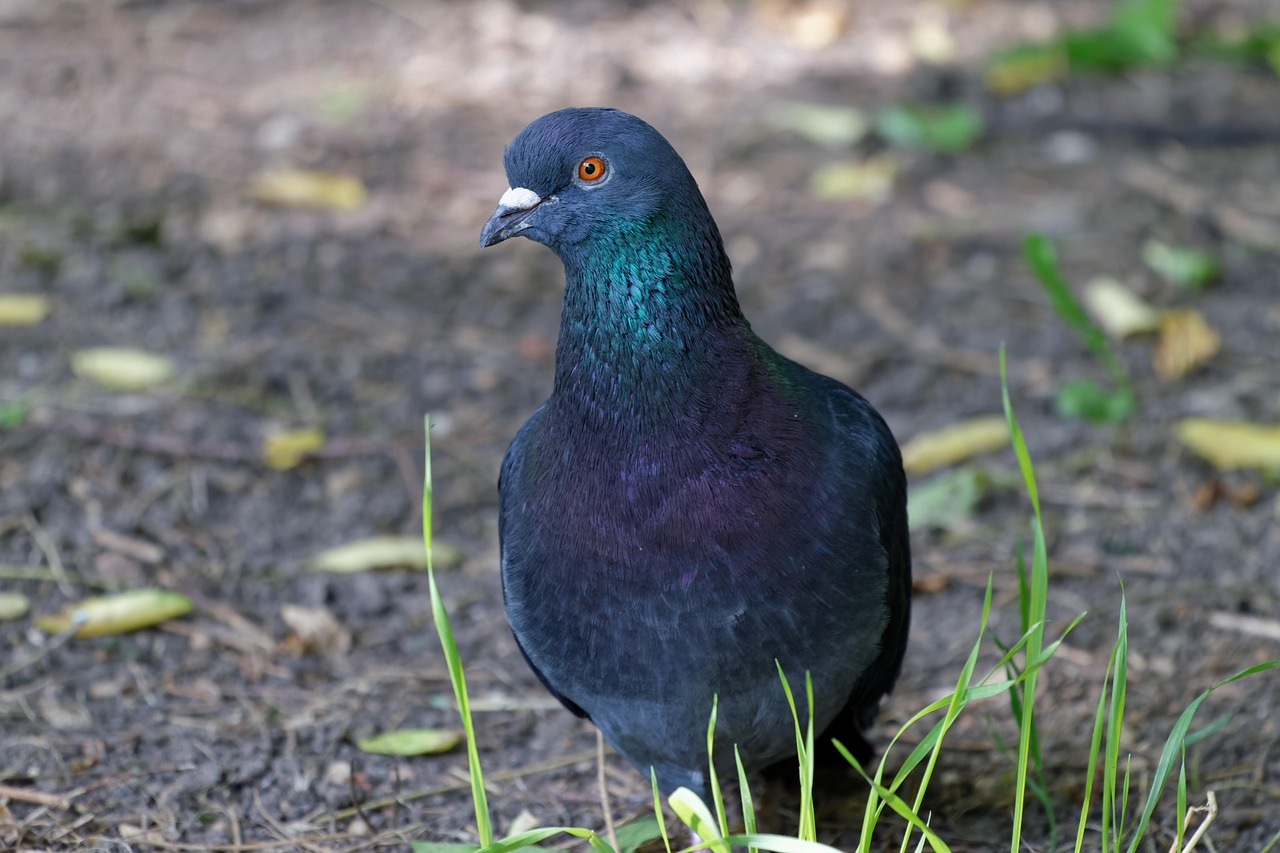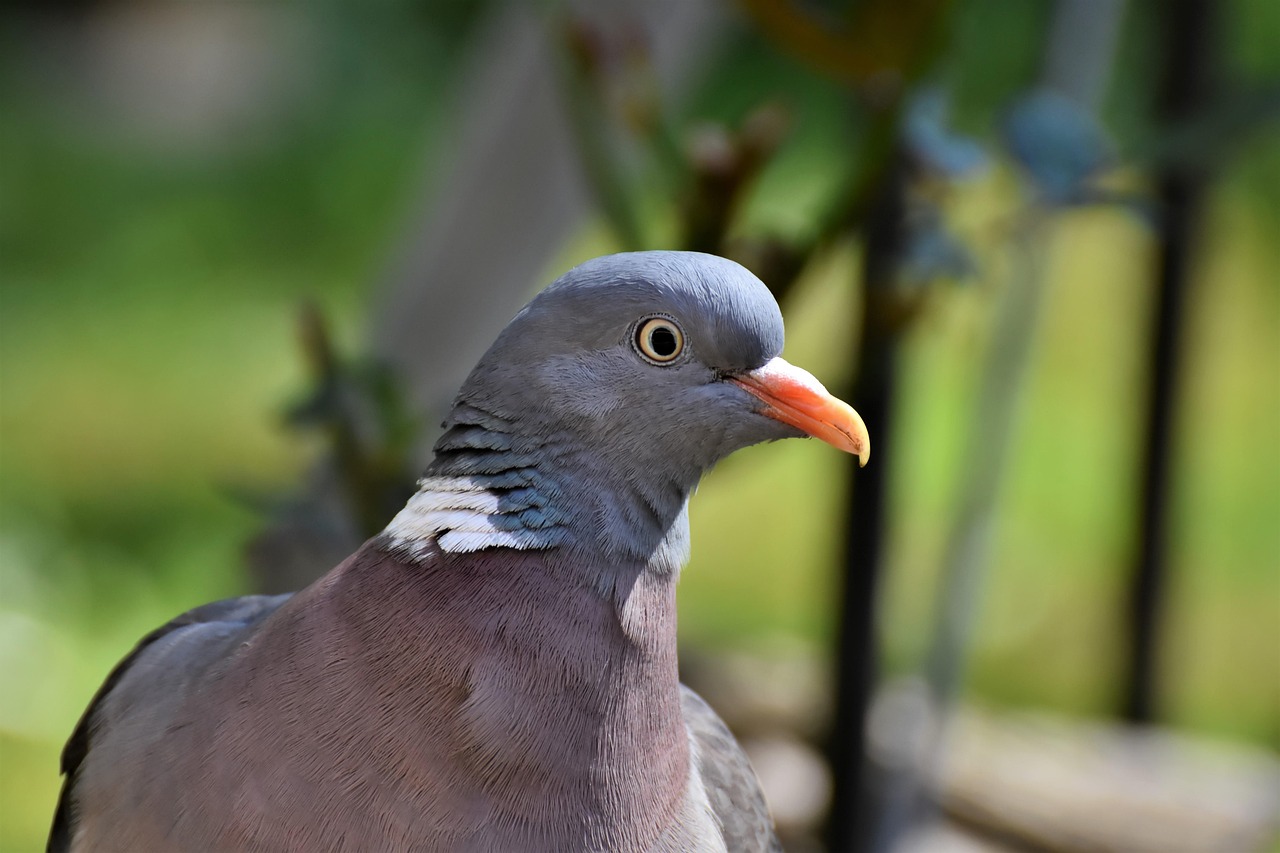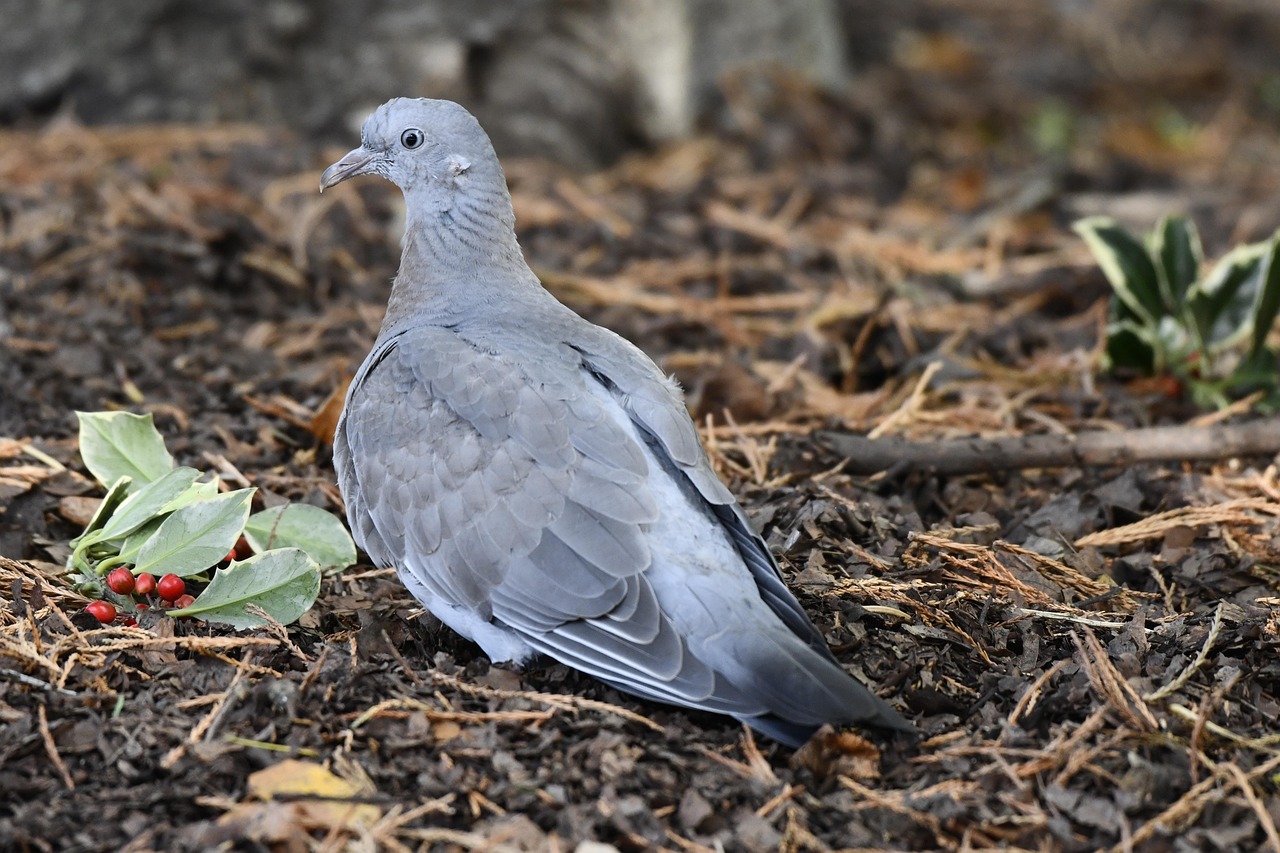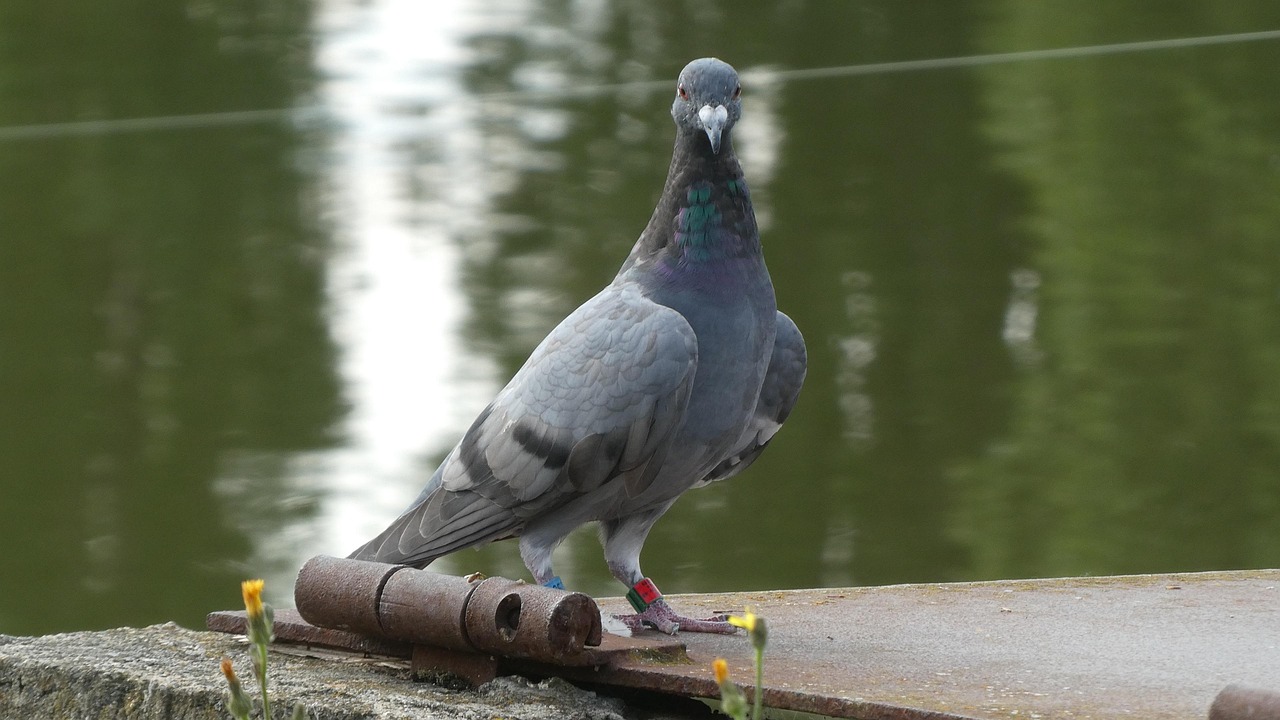
In the world of pigeon keeping, whether for racing or ornamental purposes, proactive care is the cornerstone of success. A structured weekly preventive health program can transform your flock's vitality, reducing disease risks and enhancing performance. This guide delves into a comprehensive approach, integrating essential elements like pigeon vitamins and other strategies to ensure your birds thrive year-round.
Why a Weekly Preventive Health Program is Essential
Pigeons, like all animals, are susceptible to various health issues that can impact their well-being and productivity. A weekly preventive health program is not just a routine; it's a strategic investment in longevity and performance. By adopting a consistent schedule, you can catch potential problems early, maintain optimal conditions, and build a resilient flock. This approach minimizes the need for reactive treatments, which can be stressful and costly, while promoting a natural balance in your loft's ecosystem.
The Science Behind Preventive Care
Preventive health in pigeons is rooted in understanding their biological needs and environmental interactions. Birds in captivity face unique challenges, such as limited space and exposure to pathogens. A weekly program addresses these by focusing on nutrition, hygiene, and monitoring. Research shows that consistent preventive measures can reduce mortality rates by up to 30% in managed flocks. By prioritizing prevention, you create a stable environment where pigeons can express their full genetic potential, whether in flight or beauty.
Key Benefits of a Structured Routine
Implementing a weekly program offers numerous advantages beyond basic health. It fosters a deeper connection between keeper and bird, as regular interactions allow for better observation and bonding. Economically, it saves money by avoiding emergency vet visits and medication costs. For performance pigeons, it ensures peak condition during training and competitions, while ornamental birds maintain their vibrant plumage and demeanor. Ultimately, a preventive approach leads to happier, healthier pigeons and a more rewarding hobby or business.
Core Components of an Effective Weekly Program
An effective weekly preventive health program revolves around three pillars: nutrition, environment, and monitoring. Each component must be tailored to your specific flock's needs, considering factors like age, breed, and purpose. By breaking down the week into manageable tasks, you can ensure thorough coverage without overwhelming yourself. This section outlines the essential elements to incorporate into your routine, with a focus on practical, actionable steps.
Nutritional Strategies and Pigeon Vitamins
Nutrition is the foundation of preventive health, and pigeon vitamins play a crucial role in filling dietary gaps. A balanced diet should include high-quality grains, seeds, and supplements to support immune function, feather quality, and energy levels. Weekly, assess your pigeons' food intake and adjust based on activity levels and seasonal changes. Incorporate a multivitamin supplement into their water or feed, ensuring it contains key nutrients like vitamins A, D, E, and B-complex. Avoid over-supplementation, as excess can be harmful; follow manufacturer guidelines and consult with a vet if unsure.
In addition to vitamins, consider probiotics and electrolytes to maintain gut health and hydration, especially during stress periods like molting or racing. Offer fresh greens and grit weekly to aid digestion and provide trace minerals. By prioritizing nutrition, you build a strong internal defense system that wards off common ailments like respiratory infections or parasites.
Environmental Management and Hygiene
A clean environment is non-negotiable for preventive health. Weekly tasks should include thorough loft cleaning, disinfecting surfaces, and replacing bedding materials. This reduces pathogen buildup and prevents diseases like canker or coccidiosis. Ensure proper ventilation to minimize ammonia levels, which can irritate respiratory systems. Check for pests like mites or rodents and take immediate action if detected.
Water sources must be cleaned and refreshed daily, with a deep clean weekly to prevent bacterial growth. Implement a rotation system for perches and nesting areas to reduce wear and tear. By maintaining a pristine environment, you create a safe haven that supports overall well-being and reduces stress, a key factor in disease prevention.
Implementing a Weekly Schedule for Optimal Results
To make preventive health manageable, structure your week with specific tasks for each day. This ensures consistency and prevents oversight. A sample schedule might include nutrition checks on Mondays, environmental cleanings on Wednesdays, and health assessments on Fridays. Tailor this to your availability and flock size, but aim for at least three dedicated sessions weekly. Use tools like checklists or apps to track progress and note any changes in behavior or appearance.
Daily Observations and Record-Keeping
Integrate daily observations into your weekly program by spending a few minutes each day watching your pigeons. Look for signs of illness, such as lethargy, ruffled feathers, or changes in droppings. Keep a log to track weight, appetite, and any treatments administered. This data helps identify patterns and early warnings, allowing for swift intervention. Over time, these records become invaluable for optimizing your preventive strategies and understanding your flock's unique needs.
Weekly Health Checks and Assessments
Set aside time each week for a more thorough health assessment. Examine each pigeon individually, checking eyes, beak, feet, and feathers for abnormalities. Listen for respiratory sounds and monitor body condition. Use this opportunity to administer preventive treatments, such as deworming or vitamin boosts, as needed. Involve a vet for annual check-ups, but weekly self-assessments empower you to take proactive control. This hands-on approach builds trust with your birds and ensures no issue goes unnoticed.
Advanced Tips for Enhancing Preventive Health
Beyond basics, advanced strategies can elevate your preventive health program. Consider incorporating natural remedies, stress management techniques, and technology aids. These elements add depth to your routine, addressing subtle aspects of pigeon care that contribute to long-term vitality. Experiment with different approaches, but always prioritize safety and evidence-based practices to avoid unintended consequences.
Integrating Natural Supplements and Herbs
In addition to commercial pigeon vitamins, explore natural supplements like garlic, apple cider vinegar, or herbal blends. These can boost immunity, improve digestion, and repel parasites when used appropriately. For example, adding a small amount of garlic to water weekly may enhance respiratory health. Research each supplement's benefits and dosages, and introduce them gradually to monitor effects. Always source high-quality, organic products to avoid contaminants that could harm your flock.
Stress Reduction and Behavioral Enrichment
Stress is a major trigger for health issues in pigeons, so incorporate weekly activities to reduce it. Provide enrichment items like perches of varying heights, toys, or safe foraging opportunities. Minimize loud noises and sudden changes in routine. For racing pigeons, implement gradual training schedules to avoid overexertion. By fostering a low-stress environment, you support mental well-being, which directly impacts physical health and disease resistance.
Common Challenges and How to Overcome Them
Even with a solid preventive health program, challenges may arise, such as time constraints, budget limits, or unexpected outbreaks. Address these by staying flexible and resourceful. For time issues, streamline tasks with efficient tools or delegate to family members. Budget-wise, focus on cost-effective solutions like bulk buying or DIY supplements. In case of disease, have an emergency plan ready, including isolation protocols and vet contacts. Learning from setbacks strengthens your program over time.
Adapting to Seasonal Changes
Seasonal shifts require adjustments to your weekly program. In winter, increase calorie intake and provide warmth, while summer demands more hydration and shade. Adjust pigeon vitamins and supplements based on seasonal needs, such as higher vitamin D in low-sunlight months. Monitor for seasonal ailments like mites in warm weather or respiratory issues in cold. By anticipating these changes, you maintain consistent preventive care year-round.
Building a Support Network
Connect with other pigeon enthusiasts or join online forums to share insights and troubleshoot problems. A support network provides valuable advice and moral support, enhancing your preventive health efforts. Attend workshops or read reputable sources to stay updated on best practices. Collaboration fosters innovation and helps you refine your weekly program for better outcomes.
Conclusion
A weekly preventive health program is the key to thriving pigeons, blending nutrition, environment, and monitoring into a cohesive routine. By integrating pigeon vitamins and other proactive measures, you can prevent common issues and elevate your flock's performance and beauty. Remember, consistency is crucial—small, regular efforts yield significant long-term benefits. For those seeking to streamline their management, consider tools like Ghawy – Pigeon Manager (غاوي – إدارة الحمام) to track health data and schedules efficiently. Start implementing these strategies today to build a resilient, vibrant flock that stands the test of time.