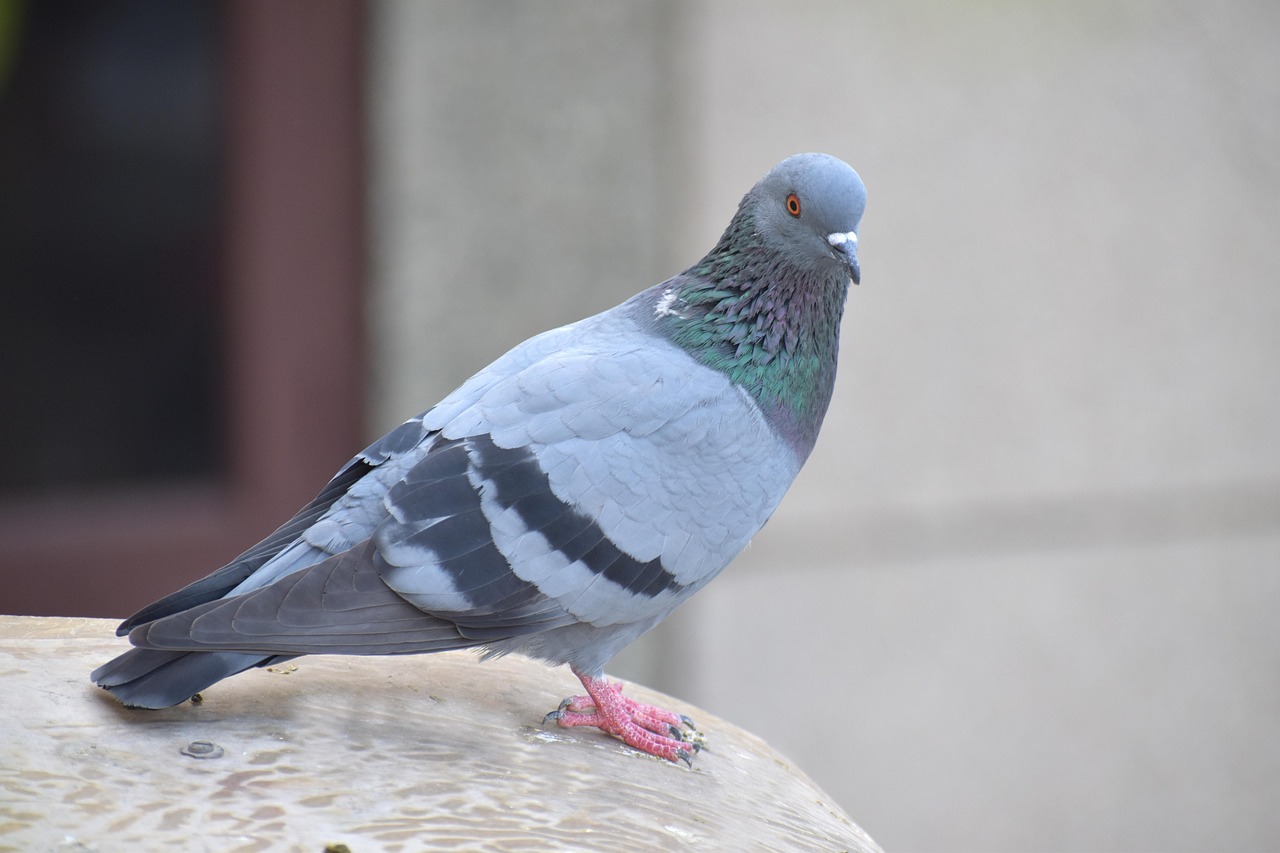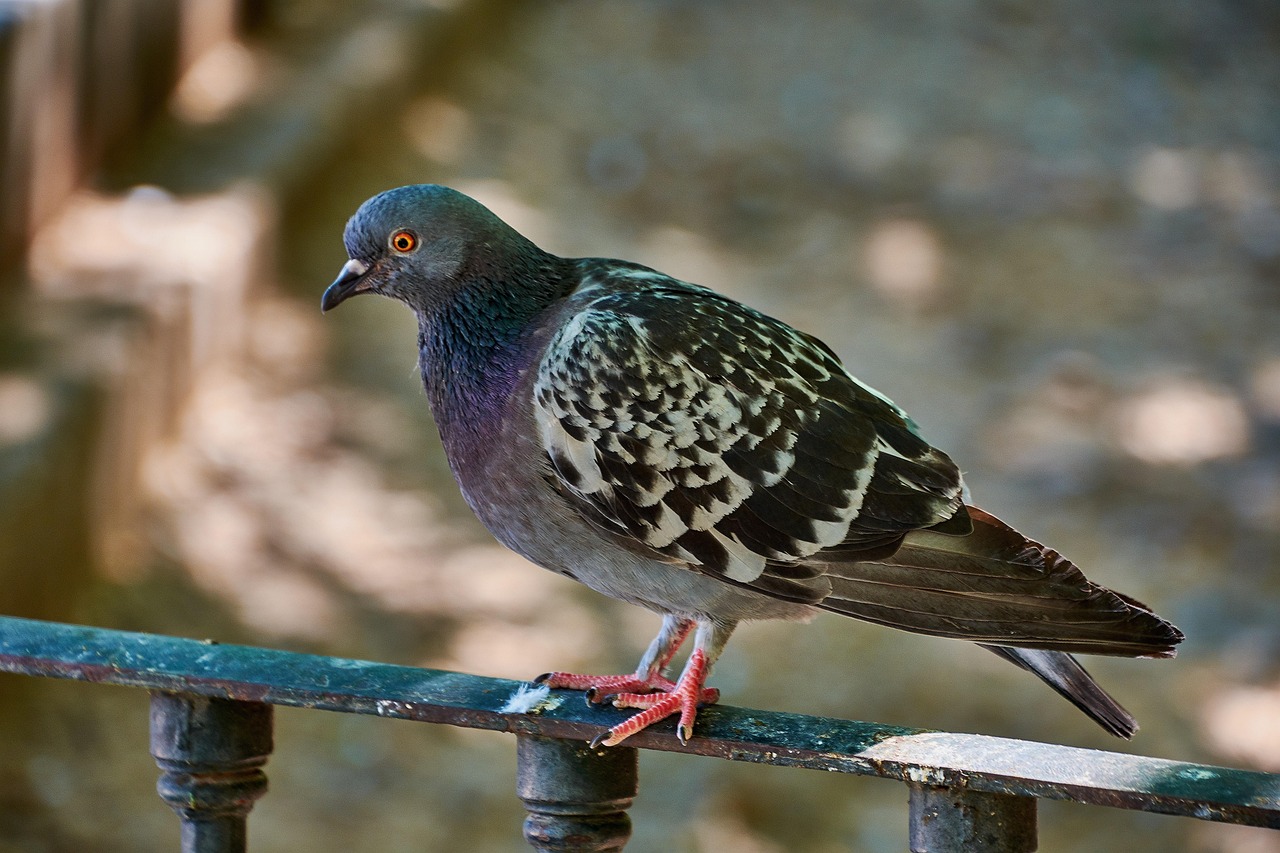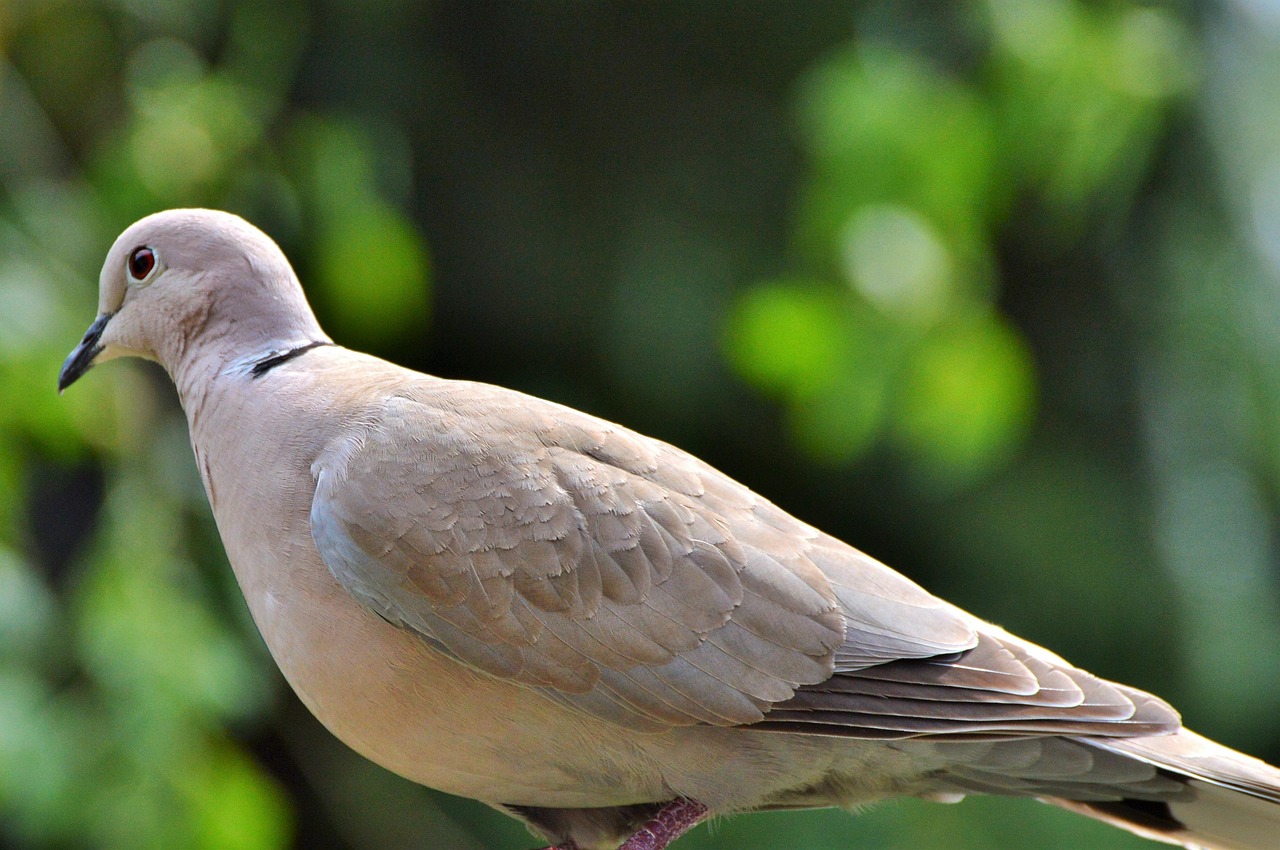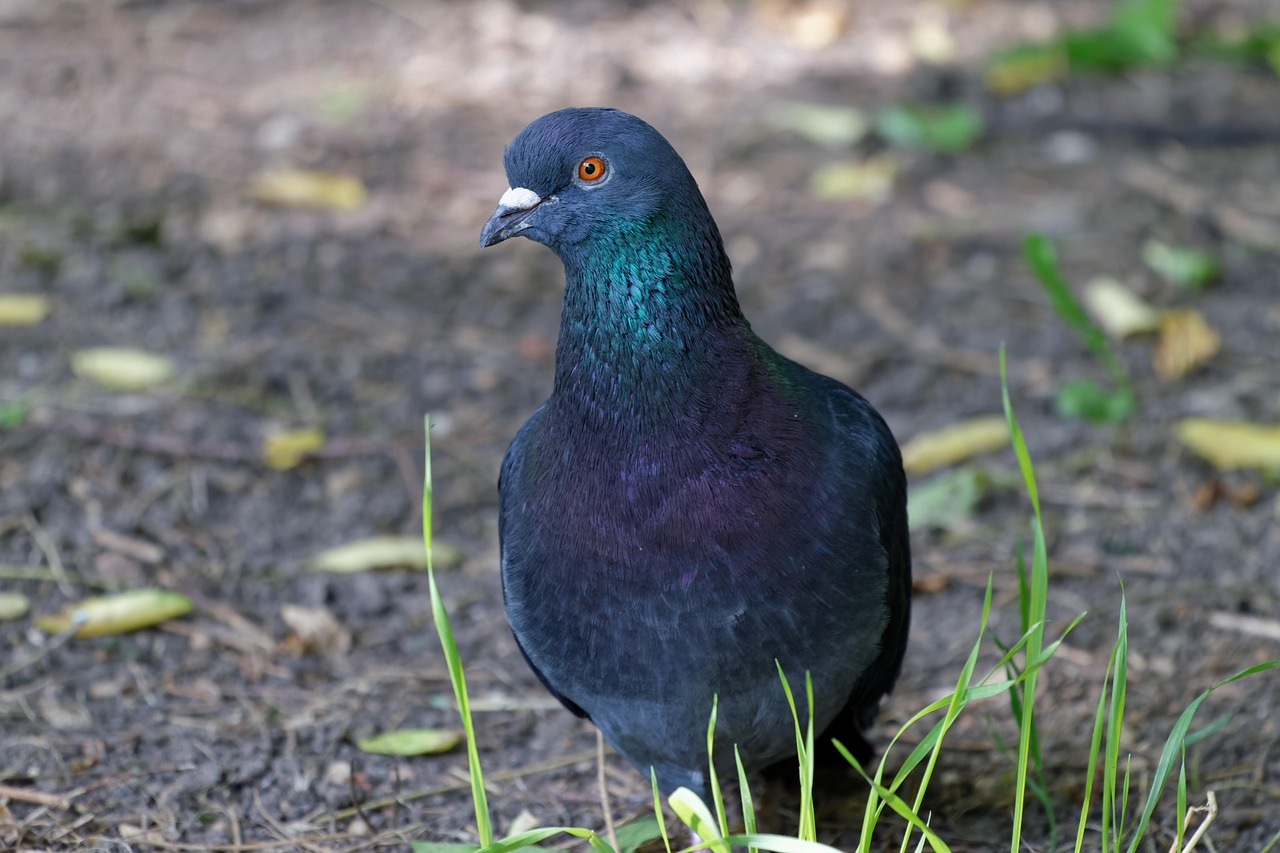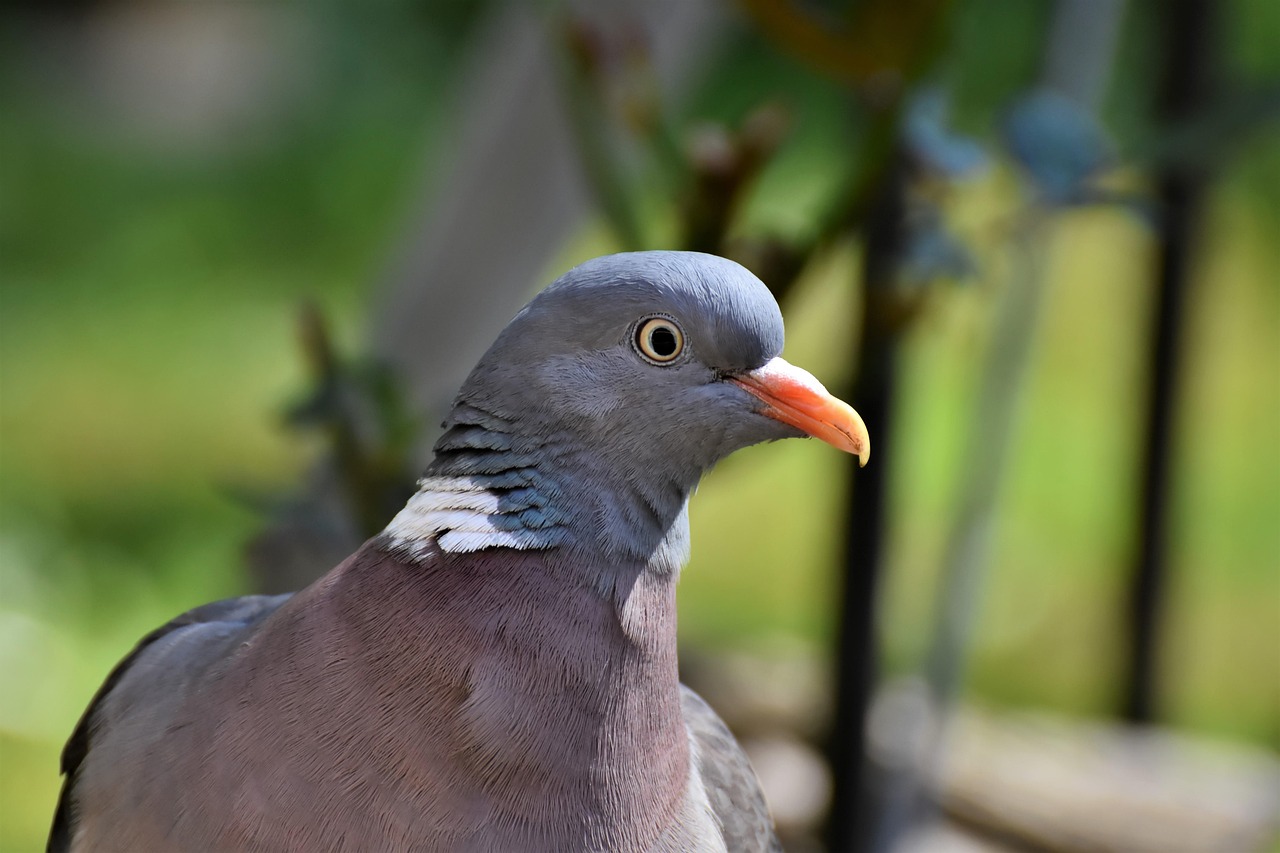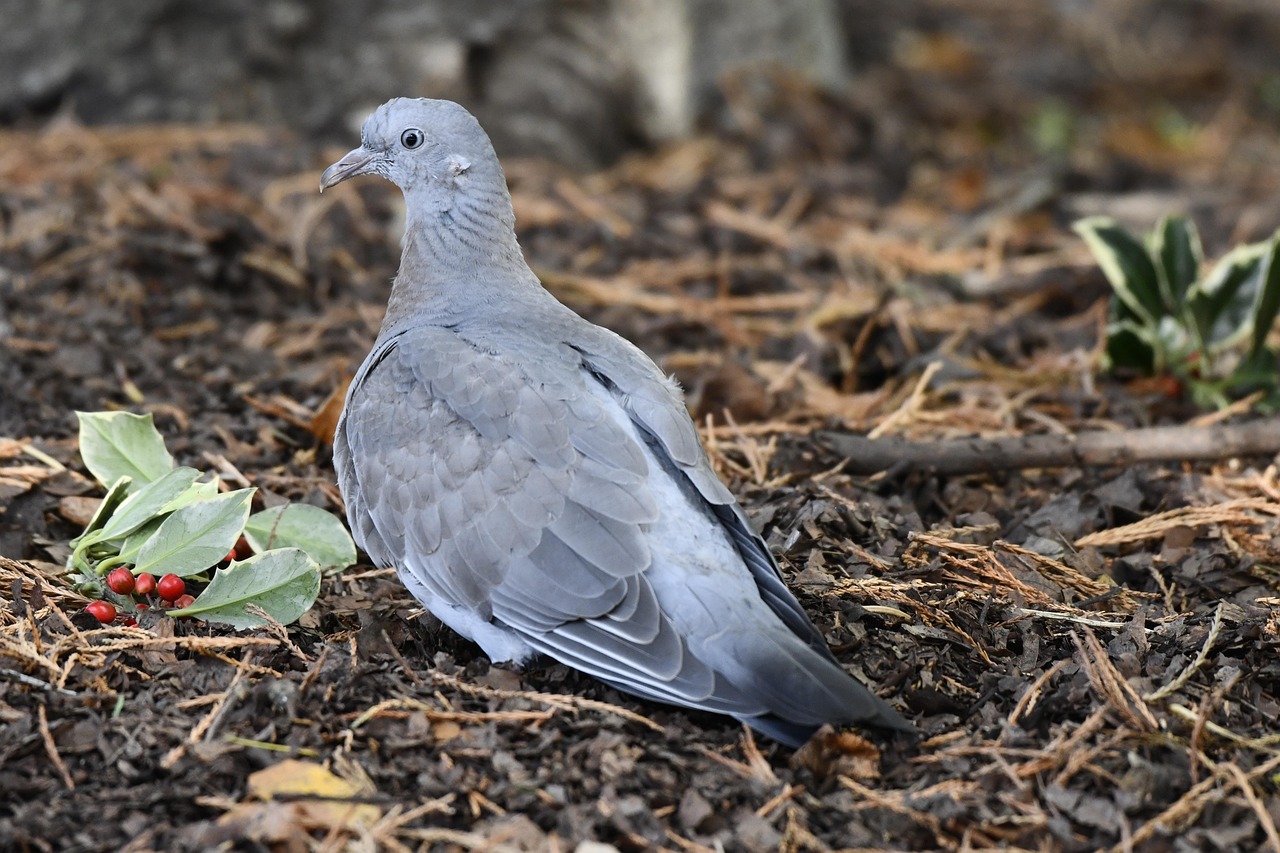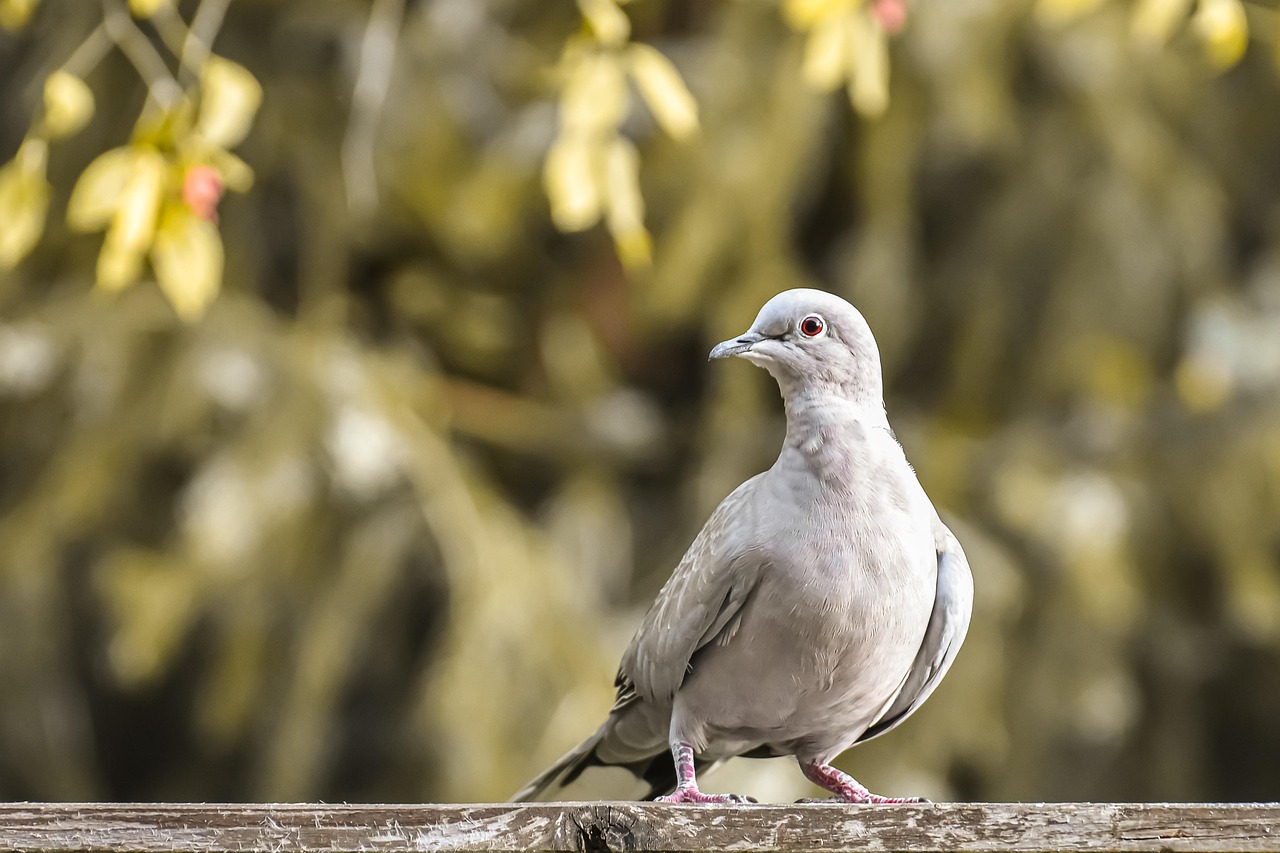
For pigeon enthusiasts, maintaining the health and vitality of their birds is a top priority. A structured weekly preventive health program is essential to ensure pigeons thrive, combining proper nutrition, hygiene, and care. This article outlines a comprehensive approach, focusing on key elements like pigeon vitamins and preventive health strategies to keep your flock in peak condition.
Understanding the Foundations of Preventive Health
Preventive health for pigeons involves proactive measures to avoid diseases and promote overall well-being. It goes beyond treating illnesses as they arise, emphasizing regular routines that support immune function and vitality. By integrating pigeon vitamins and other supplements into a weekly schedule, you can build a resilient flock that resists common ailments and performs better in shows or races.
The Role of Nutrition in Preventive Care
Nutrition is the cornerstone of any preventive health program. Pigeons require a balanced diet rich in proteins, carbohydrates, fats, and essential micronutrients. Pigeon vitamins play a crucial role in filling nutritional gaps, especially during high-stress periods like breeding or molting. A weekly plan should include vitamin supplements tailored to your birds' needs, ensuring they receive adequate amounts of vitamins A, D, E, and B-complex to support vision, bone health, and energy metabolism.
In addition to vitamins, minerals like calcium and phosphorus are vital for strong bones and eggshell quality. Incorporate a variety of grains, seeds, and legumes into their diet, and consider adding probiotic supplements to enhance gut health. By monitoring food intake and adjusting based on seasonal changes, you can prevent deficiencies that lead to health issues. Remember, a well-fed pigeon is more resistant to infections and recovers faster from stress.
Weekly Hygiene and Environmental Management
Hygiene is equally important in a preventive health program. A clean environment reduces the risk of bacterial and parasitic infections. Set aside time each week to clean lofts, perches, and feeding areas thoroughly. Use safe disinfectants to sanitize surfaces, and ensure proper ventilation to prevent respiratory problems. Regular waste removal and water source maintenance are key to preventing disease outbreaks.
Environmental factors like temperature and humidity also impact pigeon health. Monitor these conditions weekly and make adjustments as needed, such as providing shade in hot weather or insulation in cold climates. By maintaining a stable and clean habitat, you support your pigeons' immune systems and reduce the need for reactive treatments. This proactive approach aligns with preventive health principles, keeping your flock healthy year-round.
Designing a Weekly Health Schedule
A structured weekly schedule ensures consistency in preventive care. Break down tasks into daily and weekly routines to cover all aspects of health management. This includes feeding, supplementation, cleaning, and health checks. By dedicating specific days to different activities, you can streamline efforts and avoid overlooking critical steps. The goal is to create a sustainable program that fits into your lifestyle while maximizing benefits for your pigeons.
Daily and Weekly Feeding Routines
Establish a daily feeding routine that provides consistent nutrition. Offer fresh food and water twice a day, adjusting portions based on activity levels and life stages. Incorporate pigeon vitamins into their diet on a weekly basis, such as adding liquid supplements to their water or mixing powders with feed. For example, you might administer a multivitamin supplement every Monday to kickstart the week with a health boost.
Weekly, review and rotate food types to ensure dietary variety and prevent boredom. Include high-energy foods like corn and peas during training periods, and reduce fat content during rest phases. By planning meals ahead, you can prevent nutritional imbalances and support long-term health. This routine not only enhances physical condition but also reinforces preventive health by reducing stress from dietary changes.
Health Monitoring and Record-Keeping
Regular health checks are vital for early detection of issues. Set aside time each week to observe your pigeons for signs of illness, such as lethargy, weight loss, or abnormal droppings. Keep a health journal to track observations, supplement schedules, and any treatments administered. This record-keeping helps identify patterns and adjust your preventive health program as needed.
Incorporate weekly weigh-ins and visual inspections to monitor body condition and feather quality. Use this data to tailor your approach, such as increasing pigeon vitamins if birds show signs of deficiency. By staying vigilant, you can address minor problems before they escalate, embodying the essence of preventive health. This proactive monitoring ensures your flock remains in optimal condition throughout the year.
Integrating Pigeon Vitamins into Your Routine
Pigeon vitamins are a key component of preventive health, offering targeted support for various bodily functions. Understanding how to use them effectively can enhance your weekly program. Choose high-quality supplements from reputable brands, and follow dosage instructions to avoid over-supplementation. Integrate vitamins into your routine based on your pigeons' specific needs, such as during growth phases or recovery periods.
Types of Vitamins and Their Benefits
Different vitamins serve unique purposes in pigeon health. Vitamin A supports vision and immune function, while vitamin D aids in calcium absorption for strong bones. Vitamin E acts as an antioxidant, protecting cells from damage, and B-complex vitamins boost energy and metabolism. Incorporate a balanced mix into your weekly plan, using multivitamin supplements or individual doses as needed.
For example, during molting season, increase vitamin E and biotin to promote healthy feather growth. In breeding season, focus on vitamins that support reproductive health, like vitamin D and folic acid. By tailoring vitamin use to life stages, you maximize their preventive health benefits. Always consult with a vet or expert if unsure, to ensure safe and effective supplementation.
Best Practices for Supplement Administration
Administer pigeon vitamins consistently to maintain steady levels in your birds' systems. Use methods like mixing with feed, adding to water, or direct dosing, depending on the supplement form. For water-soluble vitamins, change the water daily to prevent degradation and ensure freshness. With feed additives, mix thoroughly to avoid uneven distribution.
Monitor your pigeons' response to supplements, adjusting dosages if they show signs of intolerance or lack of improvement. Avoid over-reliance on vitamins; they should complement, not replace, a balanced diet. By following best practices, you enhance the effectiveness of your preventive health program, keeping your flock vibrant and resilient. This approach reduces the risk of deficiencies and supports overall well-being.
Common Health Issues and Preventive Strategies
Despite best efforts, pigeons can face health challenges. A strong preventive health program helps mitigate these risks by addressing common issues proactively. Familiarize yourself with typical ailments like respiratory infections, parasites, and nutritional deficiencies. Develop weekly strategies to prevent them, such as regular deworming and environmental controls.
Preventing Respiratory and Parasitic Problems
Respiratory issues are common in pigeons, often caused by poor ventilation or bacterial infections. Incorporate weekly loft inspections to ensure air quality, and use preventive treatments like herbal supplements to boost respiratory health. For parasites, implement a regular deworming schedule, such as administering anti-parasitic medications every few months, and maintain clean bedding to reduce infestation risks.
Preventive health measures like these reduce the likelihood of outbreaks, saving time and resources in the long run. By staying ahead of potential problems, you create a safer environment for your pigeons. This proactive stance is key to a successful weekly program, emphasizing prevention over cure.
Addressing Nutritional Deficiencies Early
Nutritional deficiencies can lead to serious health issues if left unchecked. Watch for signs like poor feather quality, weak bones, or reduced egg production. Use weekly health checks to identify these early, and adjust your diet or supplement regimen accordingly. Incorporate pigeon vitamins specifically designed to address common deficiencies, such as calcium supplements for laying hens.
By addressing deficiencies promptly, you prevent them from escalating into chronic conditions. This aligns with preventive health principles, ensuring your pigeons receive the nutrients they need to thrive. Regular monitoring and adjustments keep your flock in top shape, supporting their longevity and performance.
Conclusion
In summary, a weekly preventive health program for pigeons is essential for maintaining a healthy and vibrant flock. By focusing on nutrition, hygiene, and regular monitoring, you can prevent common issues and enhance overall well-being. Integrate pigeon vitamins strategically to support immune function and vitality. For those looking to streamline their care routine, consider using tools like Ghawy – Pigeon Manager to track health schedules and optimize your approach. Embrace these practices to ensure your pigeons thrive year-round.