The King pigeon, known as 'حمام كنجي' in Arabic, has emerged as a premier breed captivating the Gulf market. This article delves into the specific traits that make this pigeon so sought-after in the السوق الخليجي, offering insights for enthusiasts and breeders looking to understand its unique appeal and market dynamics.
Understanding the King Pigeon Breed
The King pigeon, originally developed in the United States, has gained immense popularity in the Gulf region due to its distinctive characteristics and versatility. Unlike many ornamental breeds, the King pigeon is prized for both its aesthetic qualities and practical uses, making it a standout in the السوق الخليجي. This section explores the breed's origins and how it has adapted to become a favorite among pigeon fanciers in the Middle East.
Historical Background and Development
The King pigeon was bred in the late 19th and early 20th centuries, primarily for utility purposes such as meat production and show competitions. Its development involved crossing breeds like the Maltese and Duchess to enhance size and conformation. Over time, the breed's robust nature and striking appearance caught the attention of international enthusiasts, leading to its introduction to the Gulf region. In the السوق الخليجي, the King pigeon has been selectively bred to emphasize traits that align with local preferences, such as vibrant plumage and calm temperament. This adaptation has helped it thrive in the diverse climates of the Gulf, from the arid deserts to urban settings, making it a resilient choice for breeders.
As the demand for حمام كنجي grew, breeders in the Gulf began to focus on refining specific attributes, such as color variations and body structure, to meet market expectations. This historical evolution underscores how the breed has transformed from a utilitarian bird to a symbol of prestige and hobbyist passion in the region. Understanding this background is crucial for anyone looking to engage with the السوق الخليجي, as it highlights the breed's journey and the factors driving its current popularity.
Key Physical Characteristics
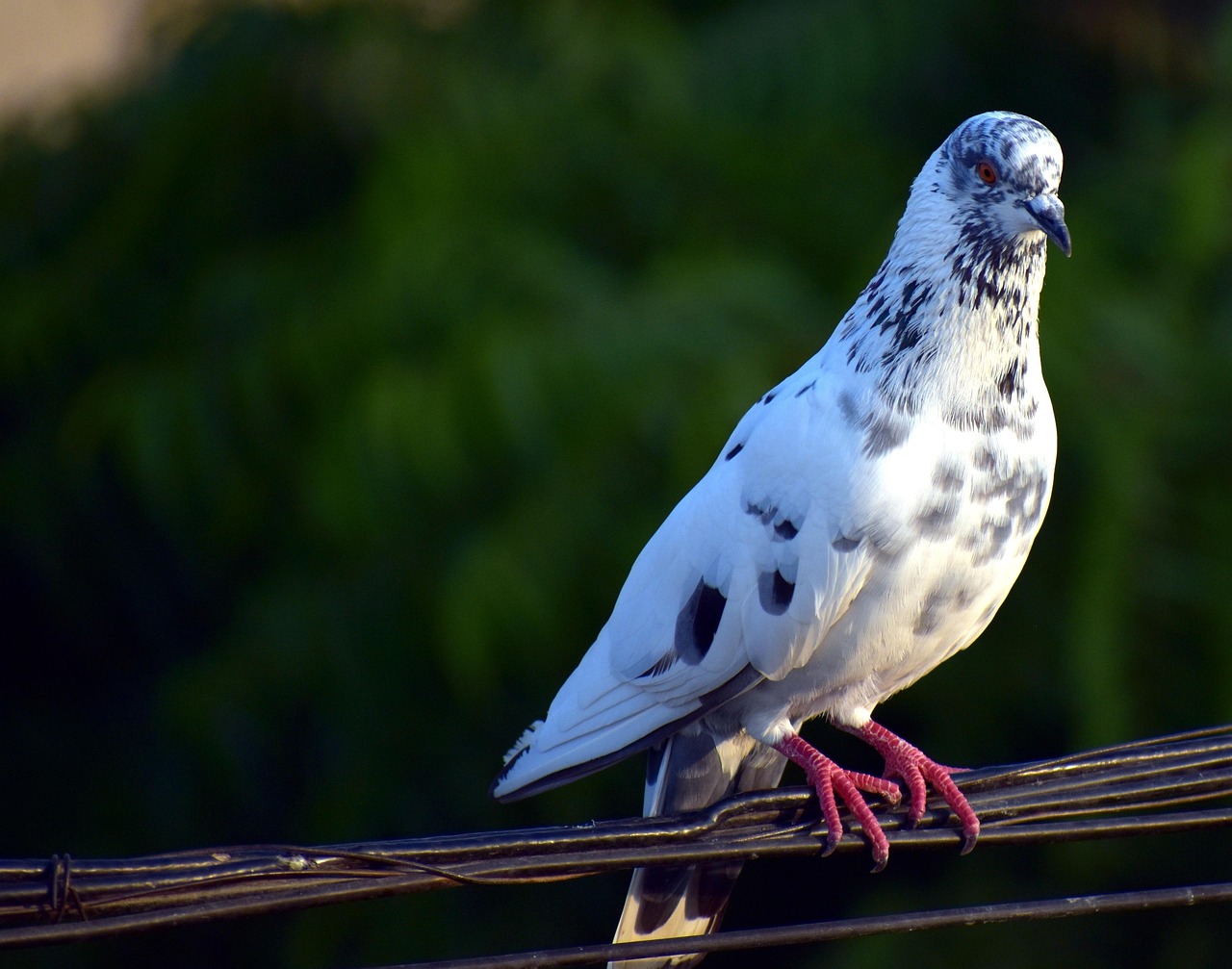
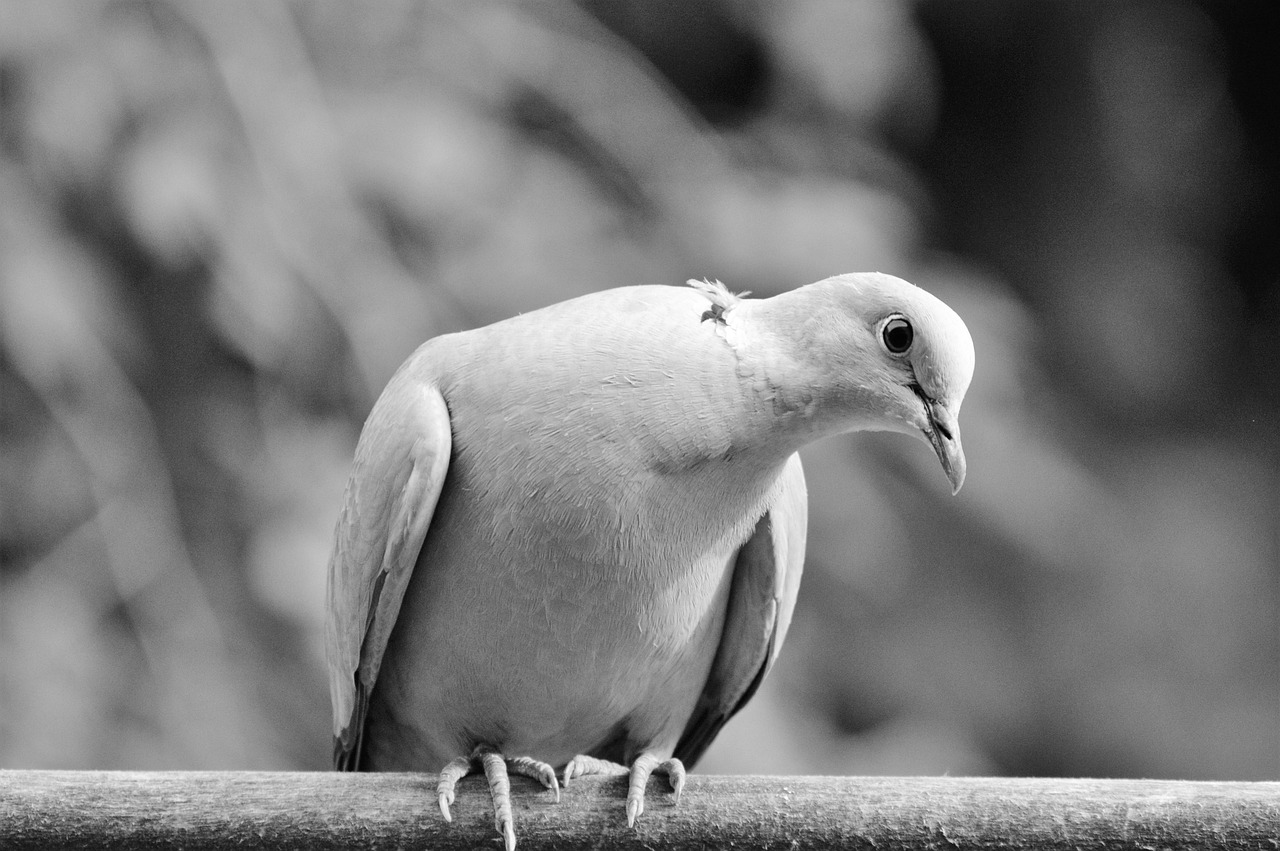
The King pigeon is renowned for its impressive physical traits, which set it apart in the حمام كنجي category. Typically, these birds exhibit a large, muscular body with a broad chest and strong legs, making them appear majestic and sturdy. Their plumage comes in a wide array of colors, including white, black, blue, and red, often with iridescent sheens that catch the eye in sunlight. In the السوق الخليجي, breeders particularly value pigeons with uniform coloration and minimal markings, as these are seen as signs of purity and quality. Additionally, the King pigeon's head features a prominent beak and alert eyes, contributing to its regal demeanor that appeals to collectors and show participants alike.
Beyond aesthetics, the breed's physical attributes also influence its functionality. For instance, their robust build makes them suitable for various environments, from backyard lofts to competitive exhibitions. In the Gulf, where pigeon keeping is both a hobby and a cultural tradition, these characteristics ensure that the King pigeon can withstand local conditions while maintaining its appeal. Breeders often emphasize traits like feather density and wing span when selecting birds for breeding, as these factors can impact health and performance in the السوق الخليجي. By focusing on these key physical characteristics, enthusiasts can better appreciate why the حمام كنجي commands such high demand and how to identify top-quality specimens.
Market Dynamics in the Gulf Region
The السوق الخليجي for King pigeons is a vibrant and competitive space, driven by cultural significance and economic factors. This section examines the trends, pricing, and consumer behaviors that shape the demand for حمام كنجي, providing a comprehensive view of the market landscape.
Current Trends and Consumer Preferences
In recent years, the السوق الخليجي has seen a surge in interest for King pigeons, with trends leaning towards exotic color mutations and enhanced genetic lines. Consumers in the Gulf, particularly in countries like Saudi Arabia, UAE, and Qatar, prioritize birds that exhibit unique patterns and vibrant hues, often paying premium prices for rare specimens. This trend is fueled by social media and pigeon shows, where breeders showcase their best حمام كنجي, creating a culture of competition and innovation. Additionally, there is a growing preference for pigeons with documented pedigrees, as buyers seek assurance of quality and lineage in their investments.
Another key trend is the integration of technology in pigeon management, with enthusiasts using apps and online platforms to track breeding records and market values. This has made the السوق الخليجي more accessible and transparent, allowing breeders to connect with buyers across the region. Consumer preferences also extend to health and temperament, with demand for King pigeons that are disease-resistant and easy to handle. By staying attuned to these trends, breeders can tailor their offerings to meet market demands, ensuring that their حمام كنجي remains competitive in this dynamic environment. Understanding these preferences is essential for anyone looking to succeed in the Gulf pigeon market.
Pricing Factors and Economic Impact
The pricing of King pigeons in the السوق الخليجي varies widely based on several factors, including rarity, age, and breeding potential. High-quality حمام كنجي with exceptional traits can command prices ranging from hundreds to thousands of dollars, reflecting their status as luxury items in the hobbyist community. Economic factors, such as disposable income levels in the Gulf states, play a significant role in driving demand, as pigeon keeping is often associated with affluence and leisure. Breeders who invest in selective breeding and health maintenance can capitalize on this by offering premium birds that justify higher price points.
Moreover, the economic impact of the King pigeon market extends beyond individual sales, contributing to local economies through events like pigeon shows and breeding competitions. These activities attract participants and spectators, boosting tourism and related industries in the Gulf. For breeders, understanding pricing dynamics involves monitoring market fluctuations and adapting strategies to maximize profitability. In the السوق الخليجي, factors like seasonality and regional demand can influence prices, making it crucial to stay informed. By analyzing these economic aspects, enthusiasts can make informed decisions when buying or selling حمام كنجي, ensuring they navigate the market effectively and sustainably.
Breeding and Care Essentials
Successful breeding and care are fundamental to maintaining the quality and demand for King pigeons in the السوق الخليجي. This section covers best practices for raising حمام كنجي, from housing to health management, offering actionable advice for breeders.
Optimal Housing and Environment
Providing a suitable environment is crucial for the well-being of King pigeons, especially in the varied climates of the Gulf. Ideal housing for حمام كنجي includes spacious lofts with good ventilation, protection from extreme temperatures, and secure nesting areas. In the السوق الخليجي, breeders often use insulated materials and shading techniques to mitigate heat stress, ensuring that pigeons remain healthy and productive. Additionally, cleanliness is paramount; regular cleaning of lofts helps prevent diseases and parasites, which can impact breeding success and market value.
Beyond physical structures, the social environment also matters. King pigeons are social birds that thrive in pairs or small groups, so breeders should consider flock dynamics when designing housing. In the Gulf, where outdoor spaces may be limited, innovative solutions like rooftop lofts or indoor aviaries have become popular. By prioritizing these housing essentials, breeders can enhance the quality of their حمام كنجي, making them more attractive in the السوق الخليجي. This attention to detail not only supports bird welfare but also boosts breeding outcomes, contributing to long-term market success.
Nutrition and Health Management
Proper nutrition is key to maintaining the vitality and appearance of King pigeons, directly influencing their appeal in the السوق الخليجي. A balanced diet for حمام كنجي should include high-quality grains, seeds, and supplements rich in vitamins and minerals. In the Gulf, breeders often tailor diets to local availability, incorporating items like dates and legumes that are regionally sourced. Hydration is equally important, especially in arid climates, so ensuring access to clean water at all times is essential for preventing dehydration and related health issues.
Health management involves regular veterinary check-ups and preventive measures against common ailments, such as respiratory infections or parasites. Breeders in the السوق الخليجي are increasingly adopting proactive approaches, using vaccinations and natural remedies to keep their حمام كنجي in peak condition. Monitoring for signs of stress or illness allows for early intervention, preserving the breed's quality and marketability. By focusing on nutrition and health, breeders can produce robust King pigeons that meet the high standards of the Gulf market, ensuring sustained demand and customer satisfaction.
Cultural Significance and Future Outlook
The King pigeon holds a special place in Gulf culture, influencing its market dynamics and future prospects. This section explores the breed's role in traditions and what lies ahead for حمام كنجي in the السوق الخليجي.
Role in Gulf Traditions and Hobbies
Pigeon keeping has deep roots in Gulf culture, with the King pigeon becoming a symbol of prestige and passion in recent decades. In the السوق الخليجي, حمام كنجي is often featured in social gatherings and competitions, where breeders showcase their birds as a reflection of skill and dedication. This cultural integration has elevated the breed's status, making it more than just a hobby—it's a way to connect with heritage and community. Events like pigeon races and beauty contests further emphasize this role, drawing participants from across the region and reinforcing the breed's popularity.
Moreover, the King pigeon serves as a bridge between generations, with older enthusiasts passing down knowledge to younger ones, ensuring the tradition thrives. In the Gulf, this cultural significance drives demand, as buyers seek birds that embody these values. By understanding this context, breeders can market their حمام كنجي more effectively, highlighting aspects that resonate with local customs. This cultural connection not only sustains current interest but also paves the way for future growth in the السوق الخليجي, as new enthusiasts are drawn to the breed's rich heritage.
Innovations and Market Growth Potential
Looking ahead, the future of the King pigeon in the السوق الخليجي is bright, with innovations in breeding and technology set to drive growth. Advances in genetic research are enabling breeders to develop new color variations and healthier lineages of حمام كنجي, expanding the breed's appeal. In the Gulf, there is a growing interest in sustainable practices, such as eco-friendly lofts and organic feed, which align with broader environmental trends. These innovations can enhance the breed's marketability, attracting a wider audience of conscientious consumers.
Additionally, the rise of digital platforms is transforming how the السوق الخليجي operates, with online marketplaces and social media facilitating global connections. This opens up opportunities for breeders to export حمام كنجي beyond the Gulf, tapping into international demand. By embracing these trends, the King pigeon market can continue to evolve, offering new avenues for enthusiasts and entrepreneurs. The potential for growth is significant, especially as cultural appreciation and hobbyist passion remain strong in the region. With tools like Ghawy – Pigeon Manager (غاوي – إدارة الحمام), breeders can streamline their operations and stay competitive in this dynamic landscape.
Conclusion
In summary, the King pigeon's success in the السوق الخليجي is driven by its unique traits, cultural significance, and effective breeding practices. From its physical characteristics to market dynamics, حمام كنجي has carved a niche as a high-demand breed in the Gulf. By focusing on quality care and staying attuned to trends, breeders can capitalize on this popularity. As the market continues to grow, innovations and tools like Ghawy – Pigeon Manager (غاوي – إدارة الحمام) will play a key role in shaping its future, ensuring that this beloved breed remains a cornerstone of pigeon enthusiasm in the region.