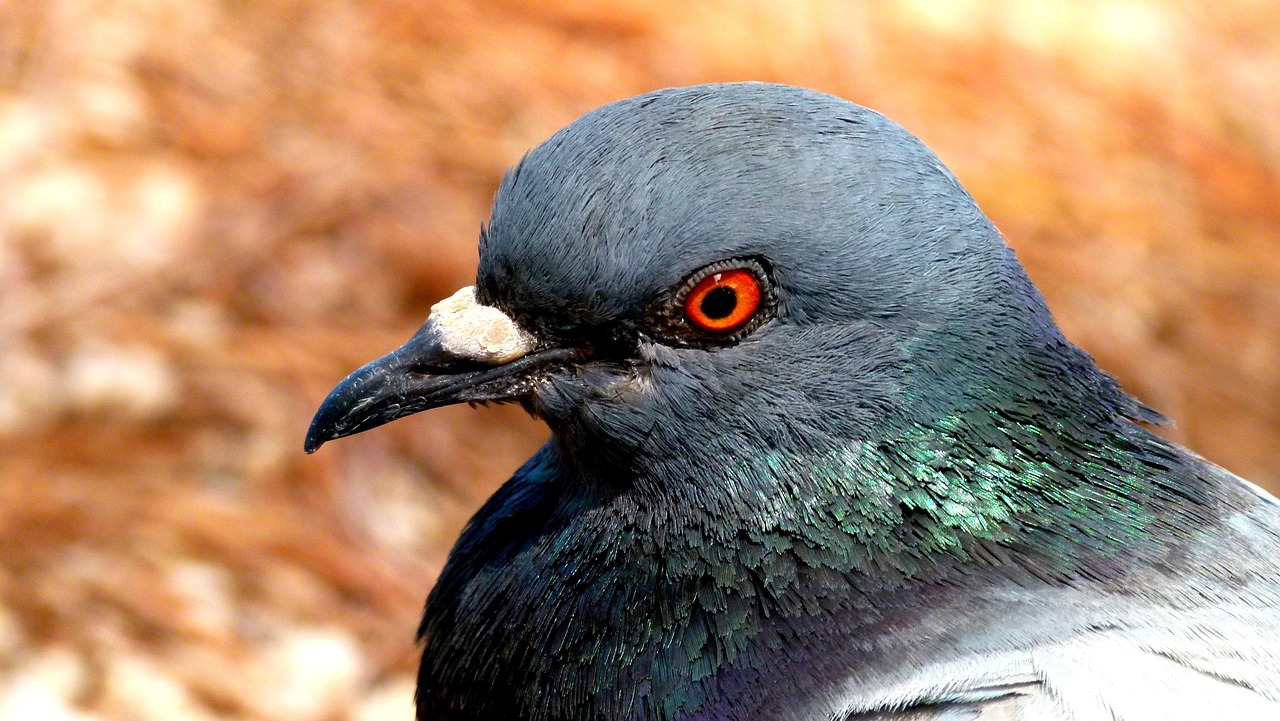
In the high-stakes world of pigeon racing, where birds can be valued at tens of thousands of dollars, technology has become a game-changer. This article delves into the technical intricacies of GPS devices, specifically focusing on how tools like AviRings GPS enhance performance and security for high value racing pigeons. By understanding these innovations, enthusiasts can gain a competitive edge and ensure the well-being of their prized flocks.
The Evolution of Pigeon Tracking Technology
Pigeon racing has transformed from a traditional hobby into a sophisticated sport, driven by advancements in tracking technology. Early methods relied on manual timing and visual observations, which were prone to errors and limited in data collection. The introduction of electronic timing systems marked a significant leap, but it was the integration of GPS that revolutionized the field, offering real-time insights into pigeon behavior and race dynamics.
From Bands to Beacons: A Historical Overview
The journey began with simple leg bands for identification, evolving into RFID chips that automated race timing. However, these systems lacked the ability to track pigeons during flight, leaving gaps in understanding their routes and performance. The development of lightweight GPS modules, such as the AviRings GPS, addressed this by providing continuous location data, enabling breeders to analyze flight patterns and optimize training regimens for high value racing pigeons.
Modern pigeon tracking devices now combine GPS with other sensors, like accelerometers and altimeters, to offer a comprehensive view of avian athleticism. This technological progression has not only improved race accuracy but also enhanced bird safety, allowing for quick interventions in case of disorientation or injury during competitions.
Key Technological Milestones
Several breakthroughs have shaped today's pigeon tracking landscape. The miniaturization of GPS chips allowed for devices small enough to be attached to pigeons without hindering flight, a critical factor for high-performance birds. Innovations in battery technology extended operational life, ensuring devices could last through long-distance races. Additionally, the integration of cellular or satellite communication enabled real-time data transmission, making tools like AviRings GPS indispensable for monitoring high value racing pigeons remotely.
These advancements have led to more precise race analytics, helping breeders identify top performers and refine breeding programs. As technology continues to evolve, the focus remains on enhancing accuracy, durability, and user-friendliness to support the growing demands of competitive pigeon racing.
Core Components of Modern GPS Tracking Devices
At the heart of every effective pigeon tracking device lies a suite of components designed to capture and transmit data seamlessly. Understanding these elements is crucial for selecting the right technology, such as AviRings GPS, to maximize the potential of high value racing pigeons. This section breaks down the key hardware and software features that define modern tracking systems.
Hardware Essentials: GPS Modules and Sensors
The GPS module is the cornerstone, using satellite signals to pinpoint a pigeon's location with high accuracy, often within a few meters. Coupled with this, sensors like gyroscopes and barometers measure orientation and altitude, providing insights into flight dynamics. For instance, AviRings GPS incorporates these sensors to track not just where a pigeon is, but how it flies, helping detect fatigue or unusual behavior in high value racing pigeons.
Battery life is another critical hardware aspect, with lithium-ion cells commonly used for their lightweight and long-lasting properties. Devices must balance power consumption with functionality to avoid adding unnecessary weight, which could impede a pigeon's performance during races. Durability is also key, as tracking devices must withstand environmental factors like rain and wind while remaining securely attached.
Software and Data Integration
On the software side, tracking devices rely on algorithms to process raw GPS data into actionable insights. This includes calculating speed, distance, and route efficiency, which are vital for evaluating a pigeon's racing capabilities. AviRings GPS, for example, offers user-friendly apps that visualize this data through maps and graphs, making it accessible even for novice breeders managing high value racing pigeons.
Data integration extends to cloud platforms, where information from multiple devices can be aggregated for comparative analysis. This allows breeders to benchmark their pigeons against others, identify trends, and make informed decisions about training and breeding. The software also includes alert systems for anomalies, such as a pigeon straying off course, enhancing safety and performance monitoring.
Benefits of GPS Tracking for High-Value Pigeon Racing
Implementing GPS technology, like AviRings GPS, offers numerous advantages that go beyond mere location tracking. For breeders and racers dealing with high value racing pigeons, these benefits translate into improved outcomes, enhanced safety, and greater peace of mind. This section explores how GPS devices optimize performance and protect investments in the sport.
Enhanced Performance Analytics
GPS tracking provides detailed metrics on flight patterns, such as speed variations and route deviations, which are essential for fine-tuning training programs. By analyzing this data, breeders can identify strengths and weaknesses in their high value racing pigeons, adjusting diets, exercise routines, and race strategies accordingly. For example, AviRings GPS data might reveal that a pigeon performs better in certain weather conditions, allowing for targeted race entries.
This analytical approach leads to more consistent race results and higher returns on investment. Breeders can also use historical data to predict future performance, making informed selections for breeding pairs to produce offspring with superior racing potential. The ability to track multiple pigeons simultaneously further streamlines management, saving time and resources.
Improved Safety and Security
Safety is a paramount concern in pigeon racing, where birds face risks like predators, adverse weather, and disorientation. GPS devices act as a safeguard by enabling real-time monitoring, so breeders can quickly locate and assist pigeons in distress. AviRings GPS, with its reliable tracking capabilities, ensures that high value racing pigeons are never lost for long, reducing financial losses and emotional stress.
Additionally, GPS tracking deters theft, a common issue in high-stakes competitions. By providing proof of ownership and location history, these devices make it harder for stolen pigeons to be resold unnoticed. This security aspect is crucial for protecting the substantial investments tied to high value racing pigeons, giving breeders confidence in their operations.
Selecting the Right GPS Device for Your Pigeons
With various options on the market, choosing the best pigeon tracking device requires careful consideration of features, compatibility, and cost. For those managing high value racing pigeons, a device like AviRings GPS often stands out due to its specialized design. This section guides readers through key factors to evaluate when making a selection.
Key Features to Prioritize
When assessing GPS devices, accuracy and update frequency are top priorities. Look for systems that offer precise location data and frequent updates to capture detailed flight information. AviRings GPS, for instance, provides high-resolution tracking that is ideal for analyzing the nuanced movements of high value racing pigeons. Battery life is another critical feature; opt for devices that can last through long races without frequent recharging, minimizing disruptions.
Ease of use is also important, especially for breeders who may not be tech-savvy. Devices with intuitive apps and clear data visualizations, like those offered by AviRings GPS, simplify the monitoring process. Consider compatibility with existing systems, such as race timing software, to ensure seamless integration into your racing operations.
Cost-Benefit Analysis
Investing in a GPS device involves weighing upfront costs against long-term benefits. For high value racing pigeons, the expense is often justified by the potential for improved race results and reduced losses. AviRings GPS, while potentially higher in initial cost, offers robust features that can enhance performance and security, leading to greater returns over time.
Evaluate subscription fees for data services and maintenance costs to avoid hidden expenses. Reading reviews and seeking recommendations from other breeders can provide insights into reliability and customer support. Ultimately, selecting a device that aligns with your specific needs and budget will maximize its value in managing high value racing pigeons.
Future Trends in Pigeon Tracking Technology
The field of pigeon tracking is poised for further innovation, with emerging technologies set to redefine how breeders interact with their birds. As devices like AviRings GPS continue to evolve, they will incorporate new features that enhance the racing experience for high value racing pigeons. This section explores upcoming trends and their potential impact.
Integration with AI and Machine Learning
Artificial intelligence is expected to play a larger role in analyzing GPS data, offering predictive insights into pigeon health and performance. Machine learning algorithms could identify patterns that humans might miss, such as subtle signs of stress or optimal flight conditions. For AviRings GPS, this could mean smarter alerts and personalized training recommendations for high value racing pigeons, boosting efficiency and outcomes.
These advancements will also enable more automated management systems, reducing the manual effort required from breeders. As AI becomes more accessible, it will democratize high-level analytics, allowing even small-scale operations to compete effectively in the pigeon racing arena.
Enhanced Connectivity and IoT
The Internet of Things (IoT) will further integrate pigeon tracking devices into broader smart farming ecosystems. This could involve connecting GPS data with environmental sensors to monitor weather conditions in real-time, helping breeders make informed decisions about race timing. AviRings GPS might evolve to include such connectivity, providing a holistic view of factors affecting high value racing pigeons.
Improved connectivity will also facilitate better collaboration among breeders, with shared data platforms fostering community insights and best practices. As technology advances, the focus will remain on creating seamless, user-centric solutions that support the growth and sustainability of pigeon racing as a sport.
Conclusion
In summary, GPS technology has revolutionized pigeon racing by providing unparalleled insights into the performance and safety of high value racing pigeons. Devices like AviRings GPS offer a blend of accuracy, durability, and user-friendly features that empower breeders to optimize their flocks. From enhanced analytics to improved security, the benefits are clear, making GPS tracking an essential tool for anyone serious about the sport. As we look to the future, innovations in AI and connectivity promise to further elevate this field. For those seeking to streamline their operations, consider exploring solutions like Ghawy – Pigeon Manager (غاوي – إدارة الحمام) to integrate these technologies seamlessly into your racing strategy.