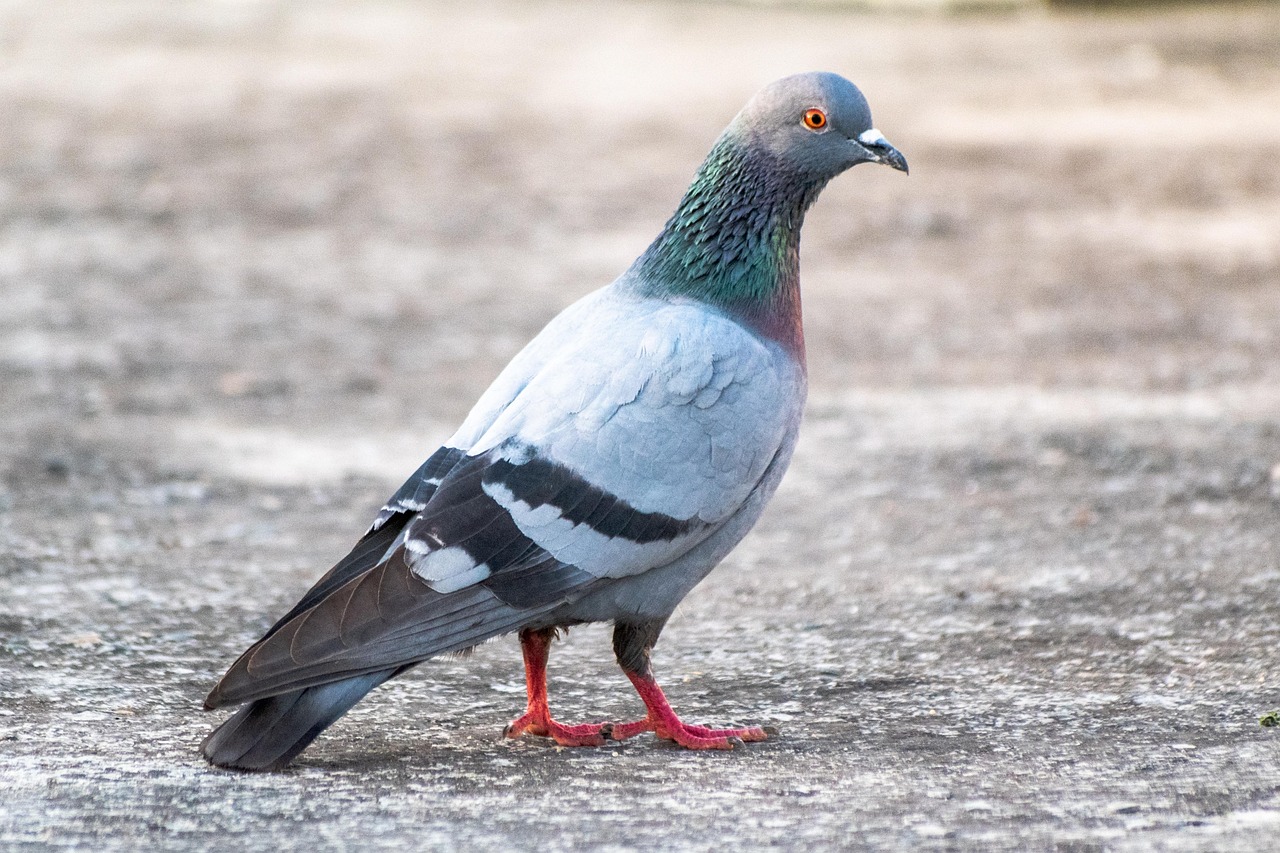
In the world of pigeon racing, your birds are more than just pets; they are valuable genetic assets, bred for speed, endurance, and intelligence. Protecting these champions from loss is a top priority for every enthusiast. This guide explores how modern technology, particularly GPS, can safeguard your pigeons, ensuring they return home safely and enhancing your racing success.
Understanding the Value of Your Pigeon Flock
Pigeon racing is a sport that combines passion with investment. Each bird represents years of selective breeding, training, and care, making them irreplaceable assets. Losses due to predators, weather, or disorientation can be devastating, both emotionally and financially. By prioritizing pigeon protection, you not only preserve your flock but also secure your competitive edge in races.
The Genetic Legacy of Racing Pigeons
Racing pigeons are bred from champion bloodlines, with traits passed down through generations. Losing a top performer means losing a piece of that genetic heritage, which can take years to rebuild. This makes proactive measures essential. Investing in safety technologies like GPS helps maintain your flock's integrity, ensuring that future generations benefit from proven winners.
Beyond genetics, pigeons develop unique bonds with their lofts and handlers, which enhances their homing instincts. However, external threats can disrupt this connection. By understanding the value each bird holds, you can appreciate why advanced protection strategies are not just optional but necessary for long-term success in the sport.
Common Risks to Pigeon Safety
Pigeons face numerous hazards during training and races. Predators such as hawks pose a constant threat, especially in open areas. Weather conditions like storms or fog can disorient birds, leading to exhaustion or injury. Additionally, human-related risks, including theft or collisions with structures, add to the challenges. Recognizing these dangers is the first step toward effective pigeon protection.
To mitigate these risks, many enthusiasts turn to technology. GPS devices offer real-time tracking, allowing you to monitor your pigeons' locations and intervene if they stray. This proactive approach reduces losses and provides peace of mind, knowing that your investments are safeguarded against unpredictable threats.
How GPS Technology Enhances Pigeon Safety
GPS (Global Positioning System) has revolutionized pigeon racing by providing precise location data for your birds. These lightweight devices attach to pigeons' legs or backs, transmitting coordinates to your smartphone or computer. This technology not only tracks movements but also alerts you to potential dangers, making it a cornerstone of modern pigeon protection strategies.
Key Features of GPS Devices for Pigeons
Modern GPS units for pigeons are designed with durability and functionality in mind. They typically include features such as real-time tracking, which lets you follow your bird's route during flights. Geofencing capabilities allow you to set safe zones; if a pigeon leaves this area, you receive an immediate alert. Battery life is optimized to last through long races, ensuring continuous monitoring.
Another important feature is data logging, which records flight patterns and speeds. This information helps analyze performance and identify areas for improvement in training. By integrating GPS into your routine, you enhance not only safety but also the overall management of your flock, leading to better racing outcomes.
Implementing GPS in Your Training Regimen
To maximize the benefits of GPS for pigeon safety, incorporate it into your training sessions. Start by attaching devices during short, familiar flights to acclimate your birds. Monitor the data to understand their homing instincts and identify any deviations. Over time, use this insight to adjust training routes, avoiding high-risk areas like predator zones or busy urban landscapes.
GPS also aids in recovery efforts. If a pigeon goes missing, you can access its last known location and organize a search. This reduces the time spent searching and increases the chances of a safe return. By making GPS a standard part of your toolkit, you create a safer environment for your pigeons, reinforcing their trust in the loft.
Integrating Racing Pigeon Insurance for Comprehensive Protection
While GPS technology provides real-time safety, racing pigeon insurance offers financial security against losses. Insurance policies can cover theft, injury, or death, ensuring that you are compensated if the worst happens. Combining GPS with insurance creates a robust protection plan, addressing both immediate risks and long-term financial impacts.
Types of Insurance Coverage Available
Racing pigeon insurance typically includes several options to suit different needs. Mortality insurance covers the value of a bird in case of death due to accidents or illness. Theft protection reimburses you if pigeons are stolen, a growing concern in competitive circles. Some policies also offer coverage for veterinary expenses, helping manage health costs that arise from injuries during flights.
When selecting a policy, consider factors like the bird's age, breeding history, and racing record. Premiums are often based on these criteria, so it's wise to insure your top performers first. By securing insurance, you protect your investment and ensure that losses do not derail your racing ambitions, complementing the safety provided by GPS.
How Insurance and GPS Work Together
GPS and insurance form a synergistic relationship in pigeon protection. GPS devices help prevent losses by enabling quick interventions, which can reduce insurance claims. For example, if a GPS alert indicates a pigeon is off course, you can guide it back, avoiding potential hazards. This proactive use of technology demonstrates responsibility to insurers, potentially lowering premiums.
In cases where a loss occurs despite precautions, insurance provides a safety net. You can file a claim with evidence from GPS data, such as flight logs or location history, to support your case. This combination ensures that you are prepared for any scenario, making your flock management more resilient and sustainable over time.
Best Practices for Pigeon Protection and Management
Effective pigeon protection goes beyond technology and insurance; it involves holistic management practices. From loft design to daily care, every aspect contributes to your birds' safety and well-being. By adopting a comprehensive approach, you minimize risks and foster a healthy, high-performing flock.
Creating a Safe Loft Environment
The loft is your pigeons' home base, and its security is paramount. Ensure it is predator-proof with reinforced walls and secure entrances. Proper ventilation and cleanliness prevent diseases, while adequate space reduces stress and aggression among birds. Regularly inspect the loft for hazards like sharp edges or loose wiring that could cause injuries.
Incorporate technology into the loft by setting up monitoring systems. Cameras can watch for intruders, and automated feeders ensure consistent nutrition. By maintaining a safe and comfortable environment, you support your pigeons' homing instincts and reduce the likelihood of them seeking escape, enhancing overall pigeon protection.
Training Techniques for Enhanced Safety
Training is crucial for developing strong homing abilities and resilience. Start with short, incremental flights to build confidence and familiarity with routes. Use GPS data to analyze performance and identify weak points, such as areas where birds tend to slow down or get distracted. Adjust training accordingly to reinforce safe behaviors.
Incorporate weather awareness into your training schedule. Avoid flying pigeons in extreme conditions, and use GPS to monitor wind patterns that could affect their return. By tailoring training to individual birds' needs, you reduce fatigue and disorientation, key factors in preventing losses. This hands-on approach, supported by technology, ensures your pigeons are race-ready and secure.
Conclusion
Protecting your genetic assets in pigeon racing requires a multi-faceted strategy that blends technology, insurance, and best practices. GPS for pigeon safety offers real-time tracking and intervention capabilities, while racing pigeon insurance provides financial backup against unforeseen losses. Together, these tools empower you to safeguard your flock, preserve valuable bloodlines, and enhance your competitive edge. By adopting these measures, you invest in the future of your sport, ensuring that every champion returns home. For expert guidance on implementing these strategies, consider exploring resources from Ghawy – Pigeon Manager (غاوي – إدارة الحمام), a trusted name in pigeon management solutions.