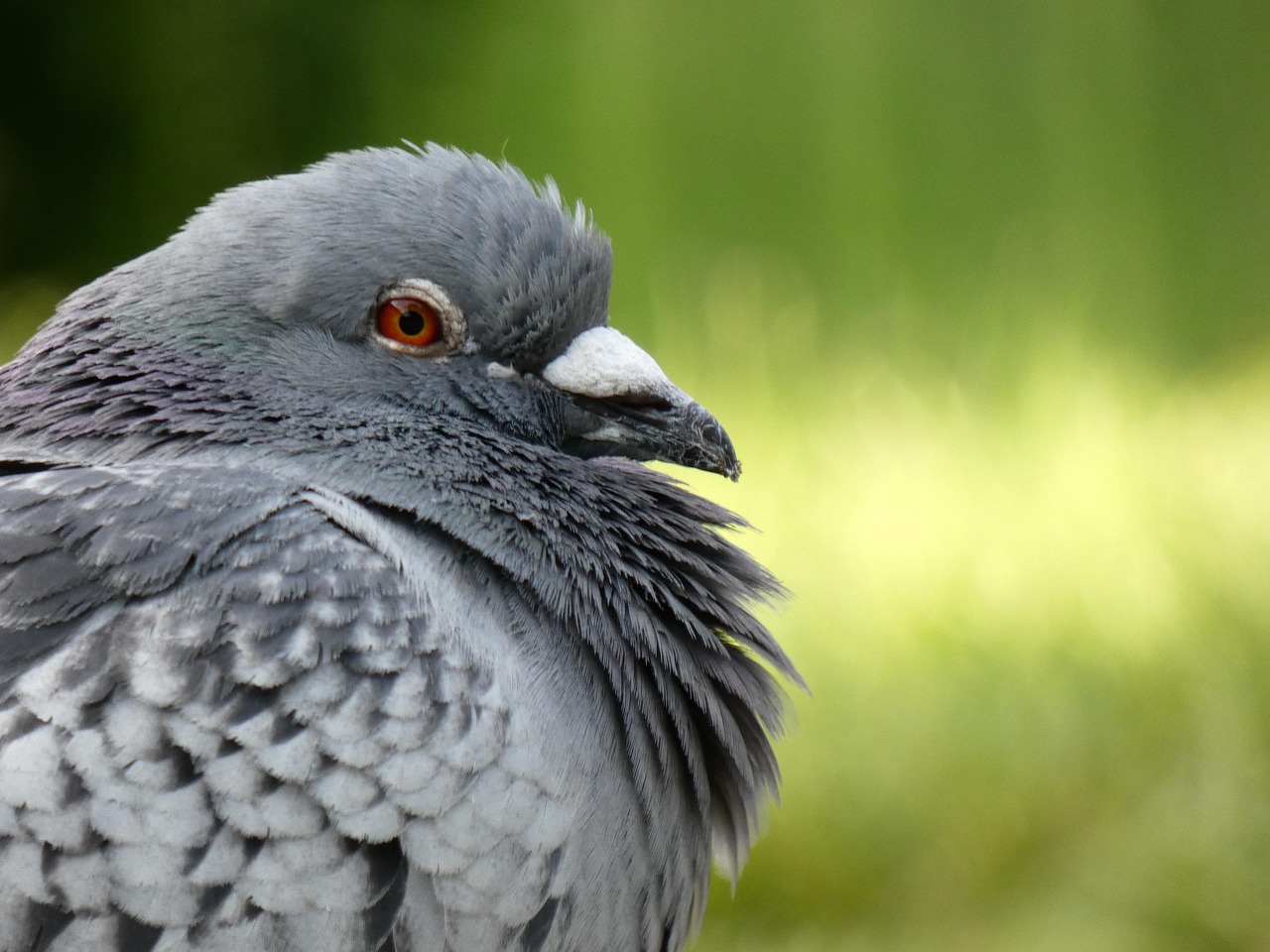
In the world of pigeon racing, your birds are more than just pets; they are valuable genetic assets, bred for speed, endurance, and lineage. Protecting these champions from loss is a top priority for every enthusiast. This guide explores how modern technology, specifically GPS, can safeguard your pigeons, ensuring they return home safely and enhancing your pigeon protection strategies.
The Importance of Pigeon Protection in Modern Racing
Pigeon racing is a sport steeped in tradition, but it faces modern challenges like predators, weather, and disorientation. Losing a bird means more than just a setback; it can mean the loss of years of breeding effort and genetic potential. Effective pigeon protection involves a multi-faceted approach that combines training, health management, and technological aids. By prioritizing safety, you not only preserve your flock but also improve performance and peace of mind.
Understanding the Risks to Racing Pigeons
Racing pigeons encounter numerous hazards during flights, from natural predators like hawks to human-made obstacles such as power lines. Weather conditions, including storms and fog, can disorient even the most experienced birds, leading to exhaustion or straying. Additionally, theft and accidents pose significant threats. Recognizing these risks is the first step in developing a comprehensive pigeon protection plan. By identifying vulnerabilities, you can implement targeted measures to mitigate them.
Beyond immediate dangers, long-term risks include disease and stress, which can weaken a pigeon's ability to navigate. Regular health checks and a balanced diet are essential, but they must be complemented with tracking tools. GPS technology offers real-time monitoring, allowing you to intervene if a bird goes off course. This proactive approach reduces losses and ensures your genetic assets remain secure.
Building a Foundation for Safety
A strong foundation for pigeon safety starts with proper training and conditioning. Young pigeons should be gradually introduced to longer distances, building their homing instincts and physical stamina. Loft management is also crucial; a clean, secure environment minimizes stress and disease. Implementing routines like regular exercise and socialization helps birds develop resilience. These practices form the backbone of any pigeon protection strategy, making technological tools more effective.
In addition to training, consider environmental factors. Positioning your loft in a safe area, away from high-traffic zones and predators, can prevent many issues. Using visual markers and sounds can aid navigation. However, as races become more competitive and distances increase, relying solely on traditional methods is insufficient. Integrating GPS for pigeon safety provides an extra layer of security, ensuring you have data-driven insights to protect your investments.
How GPS Technology Enhances Pigeon Safety
GPS (Global Positioning System) has revolutionized pigeon racing by offering precise tracking capabilities. Small, lightweight devices attached to a pigeon's leg or back transmit location data in real-time, allowing owners to monitor flights remotely. This technology not only helps in recovering lost birds but also provides valuable analytics on performance and routes. For pigeon protection, GPS is a game-changer, reducing anxiety and increasing success rates.
Key Features of GPS Devices for Pigeons
Modern GPS devices for pigeons come with features tailored to the sport's needs. They typically include real-time tracking, which updates location every few seconds, and geofencing alerts that notify you if a bird strays beyond a set area. Battery life is optimized for long flights, often lasting several days. Some devices also offer speed and altitude data, helping you analyze flight patterns and identify potential issues. These features make GPS for pigeon safety an indispensable tool for serious racers.
When selecting a GPS device, consider factors like weight, durability, and compatibility with your smartphone or computer. Lightweight models minimize impact on the pigeon's performance, while waterproof designs withstand harsh weather. User-friendly apps provide intuitive interfaces for monitoring multiple birds simultaneously. By choosing the right device, you enhance your pigeon protection efforts, ensuring reliable tracking without compromising your bird's well-being.
Implementing GPS in Your Racing Routine
Integrating GPS into your racing routine requires careful planning. Start by acclimating your pigeons to the devices during training flights, allowing them to adjust to the extra weight. Use the data to identify optimal release points and times based on weather and terrain. During races, monitor the feed to spot deviations early and take corrective actions, such as recalling the bird if it goes off course. This proactive use of GPS for pigeon safety maximizes your chances of success.
Beyond races, GPS can be used for everyday monitoring, such as tracking loft activity or detecting signs of illness through reduced mobility. Regular data review helps you refine training programs and improve overall flock health. By making GPS a core part of your strategy, you not only protect individual birds but also enhance the genetic quality of your stock through better management and reduced losses.
The Role of Racing Pigeon Insurance in Comprehensive Protection
While GPS technology provides real-time safety, racing pigeon insurance offers financial security against unforeseen losses. Insurance policies can cover theft, accidents, and even death, ensuring that your investment is protected. Combining insurance with GPS creates a robust pigeon protection plan, addressing both prevention and recovery. This dual approach is essential for serious enthusiasts who view their birds as valuable assets.
Types of Insurance Coverage Available
Racing pigeon insurance typically includes several types of coverage. Mortality insurance compensates for the loss of a bird due to accidents or illness, while theft insurance protects against criminal activities. Some policies also cover veterinary expenses or breeding interruptions. When selecting a policy, assess factors like premium costs, coverage limits, and exclusions. Tailoring insurance to your specific needs ensures comprehensive protection for your flock.
It's important to note that insurance often requires proof of value, such as pedigree records or race results. Maintaining detailed documentation enhances your claim process. Additionally, insurers may offer discounts for implementing safety measures like GPS tracking, as it reduces risk. By integrating racing pigeon insurance with technological tools, you create a safety net that safeguards both your birds and your financial investment.
Maximizing Insurance Benefits with GPS Data
GPS data can significantly enhance the value of your racing pigeon insurance. By providing precise flight records and location history, you can substantiate claims more effectively, proving incidents like disorientation or predator attacks. Insurers may also use this data to assess risk and adjust premiums accordingly. Sharing GPS insights demonstrates a commitment to pigeon protection, potentially leading to better coverage terms.
In practice, use GPS logs to document regular training and race performances, creating a comprehensive profile for each bird. This information not only aids in insurance claims but also helps in breeding decisions by highlighting top performers. By leveraging technology alongside insurance, you build a resilient system that protects your genetic assets from all angles.
Best Practices for Integrating GPS and Insurance
To achieve optimal pigeon protection, it's crucial to integrate GPS and insurance seamlessly into your management practices. Start by setting clear goals, such as reducing loss rates or improving race outcomes. Regularly update your devices and policies to adapt to new challenges. Educate yourself on the latest advancements in both fields to stay ahead. This holistic approach ensures long-term success and peace of mind.
Developing a Customized Safety Plan
Every pigeon loft is unique, so a one-size-fits-all approach won't suffice. Assess your specific risks, such as local predator populations or race distances, and tailor your GPS and insurance strategies accordingly. For example, if you race in mountainous areas, prioritize GPS devices with strong signal reception. Similarly, choose insurance that covers common local threats. A customized plan enhances pigeon protection by addressing your particular circumstances.
Involve your team or family in the planning process to ensure everyone understands the protocols. Regular reviews and adjustments based on performance data help refine your approach over time. By treating safety as an ongoing priority, you create a culture of care that benefits your entire flock.
Leveraging Technology for Community and Competition
GPS and insurance aren't just individual tools; they can foster community and improve competitiveness. Share insights with fellow enthusiasts to collectively enhance pigeon protection standards. In competitions, use GPS data to analyze opponents' strategies and identify areas for improvement. Insurance can provide confidence to invest in high-value birds, knowing they're protected. This collaborative and competitive edge elevates the sport as a whole.
Consider joining online forums or clubs focused on pigeon racing technology to stay informed. Many communities offer resources on best practices for GPS usage and insurance tips. By engaging with others, you gain valuable knowledge that strengthens your own efforts. Ultimately, integrating these tools not only safeguards your assets but also contributes to a safer, more innovative racing environment.
Conclusion
Protecting your genetic assets in pigeon racing requires a balanced approach that combines traditional care with modern technology. GPS for pigeon safety offers real-time tracking and data insights, while racing pigeon insurance provides financial security against losses. By integrating these elements into a comprehensive pigeon protection strategy, you can minimize risks, enhance performance, and ensure the longevity of your flock. Remember, every bird represents years of breeding effort, making their safety a top priority. For those looking to streamline their management, consider tools like Ghawy – Pigeon Manager (غاوي – إدارة الحمام) to organize tracking and insurance details efficiently.