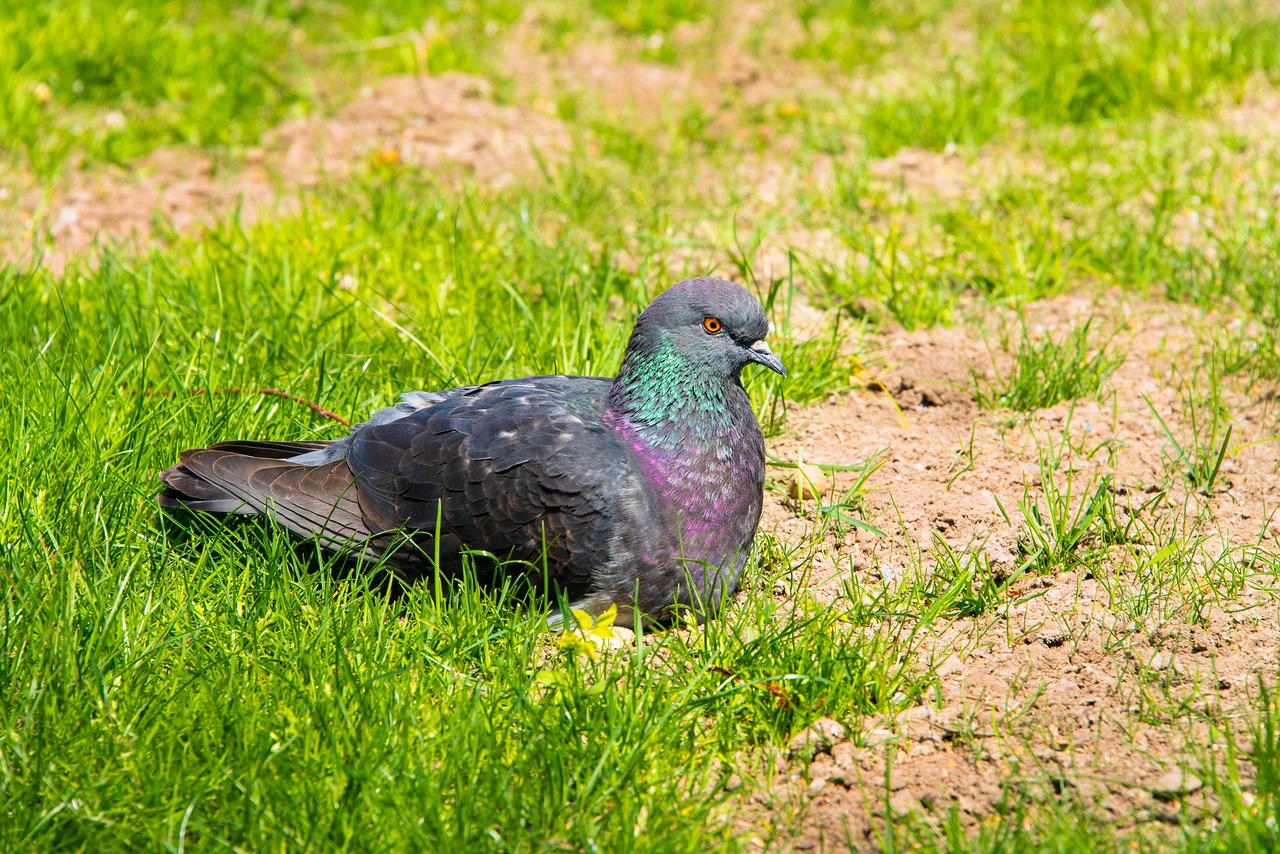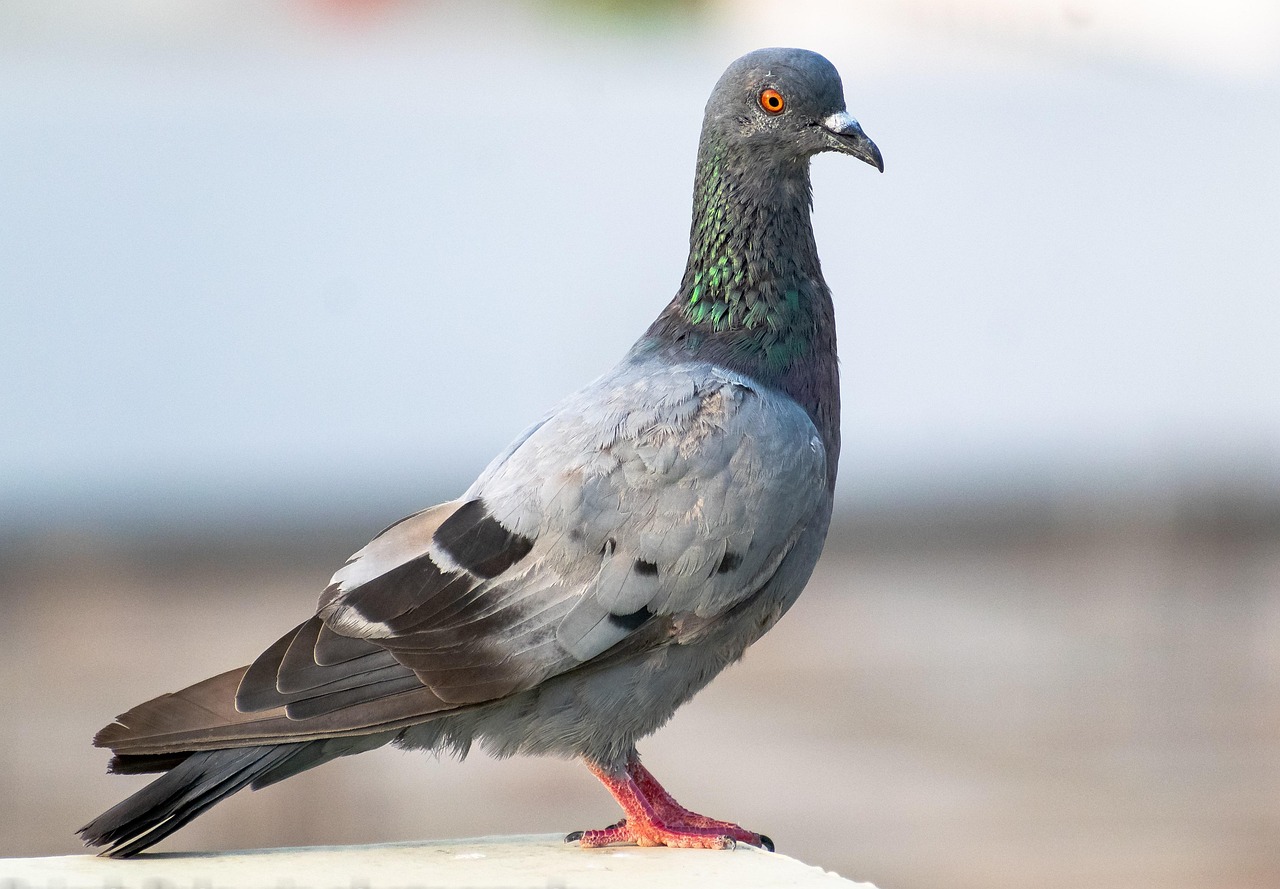
In the world of pigeon racing, your birds are more than just pets; they are valuable genetic assets, bred for speed, endurance, and lineage. Protecting these champions from loss is a top priority for every enthusiast. This guide explores how modern technology, specifically GPS, can safeguard your pigeons, ensuring they return home safely and enhancing your pigeon protection strategies.
Understanding the Value of Your Racing Pigeons
Racing pigeons represent a significant investment of time, money, and passion. Each bird carries unique genetic traits that can take years to develop through selective breeding. Losing a pigeon means more than just the emotional toll; it can set back your breeding program and competitive edge. Recognizing this value is the first step toward implementing effective protection measures.
The Genetic Legacy of Champion Pigeons
Champion pigeons are often the result of generations of careful breeding, combining speed, navigation skills, and resilience. Their genetic makeup is a treasure trove for any loft, influencing future generations and race outcomes. Protecting these birds ensures that their superior traits are preserved and passed on, maintaining the quality of your flock. Without proper safeguards, you risk losing irreplaceable genetic material that could define your success in competitions.
Moreover, the loss of a top-performing pigeon can have financial implications, as these birds can be worth thousands of dollars in breeding rights or sales. By prioritizing pigeon protection, you not only secure your current assets but also invest in the future potential of your loft. This proactive approach helps mitigate risks and fosters a sustainable racing hobby.
Common Risks Faced by Racing Pigeons
Racing pigeons encounter numerous hazards during flights, from predators and adverse weather to disorientation and theft. These risks can lead to permanent loss, disrupting training schedules and race participation. Understanding these threats is crucial for developing a comprehensive safety plan that addresses both natural and human-induced dangers.
For instance, pigeons can become lost due to magnetic interference or unfamiliar terrain, especially during long-distance races. Additionally, theft is a growing concern in the pigeon racing community, with valuable birds being targeted for resale or breeding. By identifying these risks, you can tailor your protection strategies, such as using GPS for pigeon safety to track movements and respond quickly to emergencies.
How GPS Technology Enhances Pigeon Safety
GPS technology has revolutionized pigeon racing by providing real-time tracking and data insights. Devices attached to pigeons transmit location information, allowing owners to monitor their birds during training and races. This technology not only helps in recovering lost pigeons but also improves training efficiency by analyzing flight patterns and performance metrics.
Key Features of GPS Devices for Pigeons
Modern GPS devices for pigeons are lightweight, durable, and designed to minimize impact on flight performance. They offer features like live tracking, geofencing alerts, and historical route analysis. These tools enable you to set safe zones and receive notifications if a pigeon strays, enhancing proactive pigeon protection measures.
Furthermore, advanced GPS systems integrate with mobile apps, providing user-friendly interfaces for monitoring multiple birds simultaneously. This accessibility allows for quick decision-making during critical moments, such as when a pigeon is delayed or off-course. By leveraging these features, you can reduce the likelihood of loss and ensure your birds' well-being.
Implementing GPS in Your Training Routine
Incorporating GPS into your training routine involves attaching devices to pigeons during practice flights and gradually increasing distances. This helps birds acclimate to the technology while you gather data on their navigation skills and stamina. Over time, you can identify patterns that indicate potential issues, such as fatigue or disorientation, and adjust training accordingly.
Regular use of GPS for pigeon safety also builds a database of flight histories, which can be invaluable for breeding decisions and race preparation. By analyzing this data, you can select birds with optimal performance traits and reduce risks in future events. This strategic approach not only protects your pigeons but also enhances their competitive edge.
The Role of Racing Pigeon Insurance in Asset Protection
While GPS technology provides active monitoring, racing pigeon insurance offers financial security against unforeseen losses. Insurance policies can cover theft, accidents, and natural disasters, providing peace of mind and safeguarding your investment. Combining insurance with technological tools creates a robust protection framework for your loft.
Types of Insurance Coverage Available
Racing pigeon insurance typically includes options for individual bird coverage, loft insurance, and liability protection. Policies may cover veterinary expenses, replacement costs, and even prize money in case of disqualification due to loss. Understanding these options helps you choose a plan that aligns with your needs and budget.
For example, some insurers offer specialized plans for high-value breeding pigeons, with premiums based on appraised worth. By investing in racing pigeon insurance, you mitigate financial risks and ensure that your genetic assets are protected even in worst-case scenarios. This proactive step complements technological safeguards like GPS, providing a comprehensive safety net.
Integrating Insurance with Safety Measures
To maximize protection, integrate insurance with your GPS and training protocols. Documenting flight data and maintaining health records can support insurance claims in case of loss. Additionally, insurers may offer discounts for lofts that implement advanced safety measures, such as GPS tracking, as it reduces risk and demonstrates responsible ownership.
By combining racing pigeon insurance with GPS for pigeon safety, you create a layered defense strategy that addresses both immediate and long-term risks. This holistic approach not only protects your birds but also enhances your reputation as a dedicated and professional enthusiast in the pigeon racing community.
Best Practices for Comprehensive Pigeon Protection
Effective pigeon protection requires a multi-faceted approach that goes beyond technology and insurance. Implementing best practices in loft management, training, and community engagement can further reduce risks and promote a safe environment for your birds.
Loft Security and Environmental Controls
Securing your loft involves physical measures like reinforced enclosures, surveillance cameras, and controlled access to prevent theft and predator attacks. Environmental controls, such as proper ventilation and sanitation, also play a role in maintaining pigeon health and reducing stress-related losses.
- Install sturdy locks and alarms to deter unauthorized entry.
- Use netting or fencing to protect against birds of prey and other predators.
- Maintain clean and well-ventilated spaces to prevent disease outbreaks.
Regular inspections and upgrades to your loft infrastructure ensure that safety standards are upheld, complementing technological tools like GPS for ongoing monitoring.
Training and Socialization Techniques
Training pigeons to navigate safely involves gradual exposure to different environments and socialization with flock mates. Techniques like homing exercises and group flights build confidence and reduce the likelihood of disorientation. Incorporating GPS data into these sessions allows for real-time feedback and adjustments.
Socialization helps pigeons develop strong bonds with their loft, making them more likely to return home after races. By fostering a supportive training environment, you enhance natural instincts and reduce reliance on external aids, though GPS remains a valuable backup for pigeon protection in challenging situations.
Conclusion
Protecting your genetic assets in pigeon racing requires a balanced approach that combines technology, insurance, and best practices. GPS for pigeon safety offers real-time tracking and data insights, while racing pigeon insurance provides financial security against losses. By implementing these strategies, you can safeguard your champions and ensure the longevity of your breeding program. For expert guidance on managing your loft and integrating these tools, consider exploring resources from Ghawy – Pigeon Manager (غاوي – إدارة الحمام), a trusted name in the pigeon community.