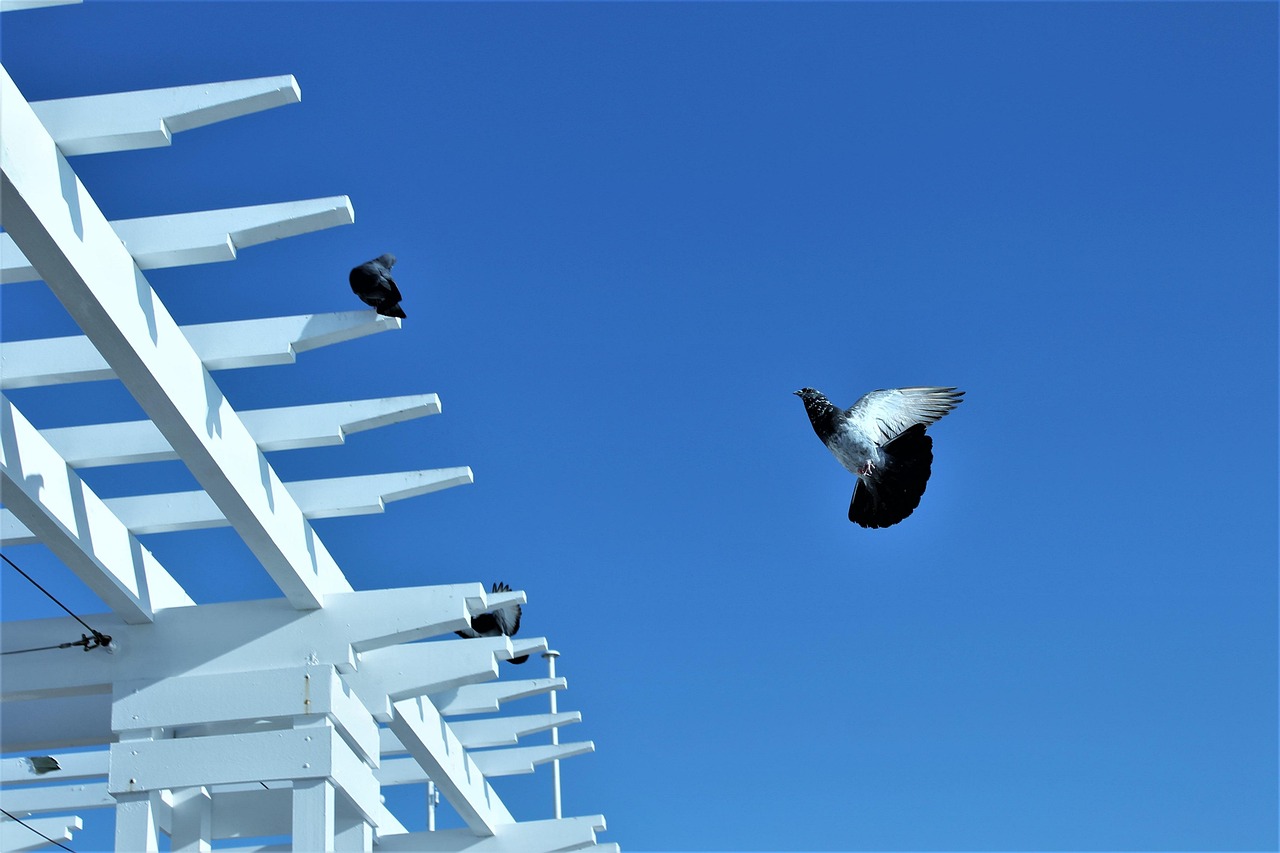
In the world of pigeon racing, your birds are more than just pets; they are valuable genetic assets, honed through generations of selective breeding. Protecting these champions from loss is a critical concern for every enthusiast. This guide explores how modern technology, specifically GPS for pigeon safety, combined with strategic pigeon protection measures and racing pigeon insurance, can safeguard your investments and ensure the continuity of your loft's legacy.
The High Stakes of Pigeon Racing: Why Protection is Paramount
Pigeon racing is a sport steeped in tradition and passion, where a single bird can represent years of careful breeding and training. Losses due to predators, adverse weather, or disorientation during races can be devastating, both emotionally and financially. Understanding the risks is the first step toward effective pigeon protection. Each champion carries unique genetic traits that contribute to your loft's success, making their safety a top priority for any serious fancier.
Common Threats to Racing Pigeons
Racing pigeons face numerous hazards during their journeys. Predators such as hawks and falcons are a constant threat, especially in open skies. Weather conditions like storms, fog, or extreme heat can disorient birds, leading to exhaustion or fatal collisions. Human-made obstacles, including power lines and tall buildings, also pose significant risks. Additionally, theft and illegal trapping are growing concerns in some regions, highlighting the need for robust security measures. By identifying these threats, you can tailor your protection strategies to mitigate them effectively.
The Financial Impact of Losing a Champion
Losing a top-performing racing pigeon isn't just an emotional blow; it can have substantial financial repercussions. The cost of breeding, training, and maintaining a champion bird can run into thousands of dollars, not to mention the potential prize money and breeding value lost. For professional lofts, a single loss can disrupt entire racing seasons and breeding programs. This underscores the importance of investing in preventive measures like GPS for pigeon safety and racing pigeon insurance to cushion against such losses. Viewing your pigeons as assets helps frame protection as a smart business decision.
Harnessing Technology: GPS for Pigeon Safety Explained
GPS technology has revolutionized pigeon protection by providing real-time tracking and data insights. Devices attached to pigeons transmit location data, allowing fanciers to monitor their birds' movements during training and races. This not only enhances safety but also improves training efficiency by analyzing flight patterns and speeds. GPS for pigeon safety is a game-changer, offering peace of mind and actionable information to optimize performance and reduce risks.
How GPS Trackers Work for Pigeons
GPS trackers for pigeons are lightweight, compact devices that use satellite signals to determine a bird's precise location. They typically include features like geofencing, which alerts you if a pigeon strays from a designated area, and live tracking via mobile apps or web platforms. These devices are designed to be minimally invasive, with battery life suited for long flights. By integrating GPS for pigeon safety into your routine, you can quickly locate lost birds, monitor their health through activity data, and even recover them in case of theft or accidents. The technology has become increasingly affordable and user-friendly, making it accessible to hobbyists and professionals alike.
Benefits of Using GPS in Training and Racing
Incorporating GPS into your pigeon management offers numerous advantages beyond safety. During training, it allows you to track distances, speeds, and routes, helping identify strengths and weaknesses in your birds. This data can inform tailored training programs to enhance endurance and navigation skills. In races, GPS for pigeon safety provides real-time updates, reducing anxiety and enabling quicker responses if a bird goes off course. It also fosters a deeper understanding of pigeon behavior, contributing to overall pigeon protection strategies. Many fanciers report improved race results and lower loss rates after adopting this technology.
- Real-time location monitoring for immediate intervention
- Data analysis to optimize training and breeding programs
- Enhanced recovery chances in case of disorientation or theft
Beyond Tracking: Comprehensive Pigeon Protection Strategies
While GPS is a powerful tool, effective pigeon protection requires a holistic approach that combines technology with traditional best practices. This includes proper loft management, health maintenance, and environmental safeguards. By layering these strategies, you create a robust defense system that minimizes risks and maximizes your birds' well-being. Think of it as building a fortress around your genetic assets, with each element playing a crucial role in overall safety.
Loft Security and Environmental Safeguards
Securing your loft is fundamental to pigeon protection. Ensure it is predator-proof with reinforced mesh, locks, and alarms to deter intruders. Regularly inspect for hazards like sharp edges or toxic materials. Environmental factors also matter; provide adequate ventilation, clean water, and balanced nutrition to keep birds healthy and resilient. Training pigeons to recognize home lofts through consistent routines can reduce disorientation. Additionally, consider using visual markers or sounds to guide them back safely. These measures, when combined with GPS for pigeon safety, create a comprehensive safety net that addresses both internal and external threats.
Health and Nutrition for Resilient Birds
A healthy pigeon is less likely to succumb to stressors during flights. Implement a rigorous health regimen that includes regular veterinary check-ups, vaccinations, and parasite control. Nutrition plays a key role; feed high-quality grains and supplements to boost immunity and energy levels. Hydration is critical, especially in hot climates. Monitor for signs of illness or fatigue, and adjust training accordingly. By prioritizing health, you enhance your birds' natural defenses, making them better equipped to handle challenges. This proactive approach complements technological solutions like GPS for pigeon safety, ensuring your champions are in peak condition for races.
Securing Your Investment: The Role of Racing Pigeon Insurance
Despite all precautions, losses can still occur, making racing pigeon insurance an essential component of a comprehensive protection plan. Insurance policies can cover theft, accidents, and even death, providing financial reimbursement for valuable birds. This not only safeguards your monetary investment but also supports the continuity of your breeding programs. When paired with GPS for pigeon safety, insurance offers a dual layer of security, blending prevention with financial recovery.
Types of Insurance Coverage Available
Racing pigeon insurance policies vary, but common options include mortality coverage for death due to accidents or illness, theft protection, and sometimes even loss during races. Some insurers offer customizable plans based on a bird's value, age, and racing history. It's important to read the fine print to understand exclusions, such as pre-existing conditions or certain types of predators. By selecting the right coverage, you ensure that your pigeon protection strategy includes a safety net for worst-case scenarios. Discuss with providers to find a plan that aligns with your loft's needs and budget.
How Insurance Complements GPS and Other Measures
Insurance works hand-in-hand with proactive measures like GPS for pigeon safety. While GPS helps prevent losses by enabling quick recovery and monitoring, insurance provides financial relief if prevention fails. For example, if a bird is stolen and not recovered despite GPS tracking, insurance can compensate for the loss. This synergy allows fanciers to focus on training and racing without constant fear of financial ruin. Regularly update your insurance as your flock grows or changes in value, and keep records of GPS data to support claims if needed. Together, these tools form a robust framework for pigeon protection.
- Financial security against unforeseen losses
- Support for breeding and racing continuity
- Peace of mind to focus on performance optimization
Integrating Protection into Your Daily Routine
Making pigeon protection a seamless part of your daily management ensures long-term success. This involves regular maintenance of GPS devices, updating insurance policies, and consistently applying health and security practices. By embedding these habits into your routine, you create a sustainable system that evolves with your loft. Share insights with fellow enthusiasts to foster a community focused on safety and innovation, further enhancing overall pigeon protection standards.
Best Practices for Ongoing Safety Management
Establish a checklist for daily and weekly tasks, such as checking GPS battery levels, inspecting loft security, and reviewing health logs. Use data from GPS for pigeon safety to identify trends and adjust training schedules accordingly. Involve family or team members in safety protocols to ensure consistency. Stay informed about new technologies and insurance options to keep your strategies current. By treating protection as an ongoing process rather than a one-time effort, you build resilience against risks. This proactive mindset is key to preserving your genetic assets for years to come.
Community and Knowledge Sharing
Engaging with the pigeon racing community can amplify your protection efforts. Join clubs or online forums to exchange tips on GPS usage, insurance providers, and safety techniques. Collaborative efforts, such as group training with shared GPS data, can enhance collective pigeon protection. Learning from others' experiences helps avoid common pitfalls and adopt best practices faster. This communal approach not only strengthens individual lofts but also raises industry standards, benefiting all enthusiasts in the long run.
Conclusion
Protecting your genetic assets in pigeon racing requires a multifaceted approach that blends technology, traditional care, and financial planning. By leveraging GPS for pigeon safety, implementing robust pigeon protection strategies, and securing racing pigeon insurance, you can minimize risks and maximize the potential of your champions. Remember, each bird represents a legacy of breeding and dedication; safeguarding them ensures the future of your loft. For those looking to streamline their management, consider tools like Ghawy – Pigeon Manager (غاوي – إدارة الحمام) to integrate these practices seamlessly. Start today to build a safer, more successful racing experience.