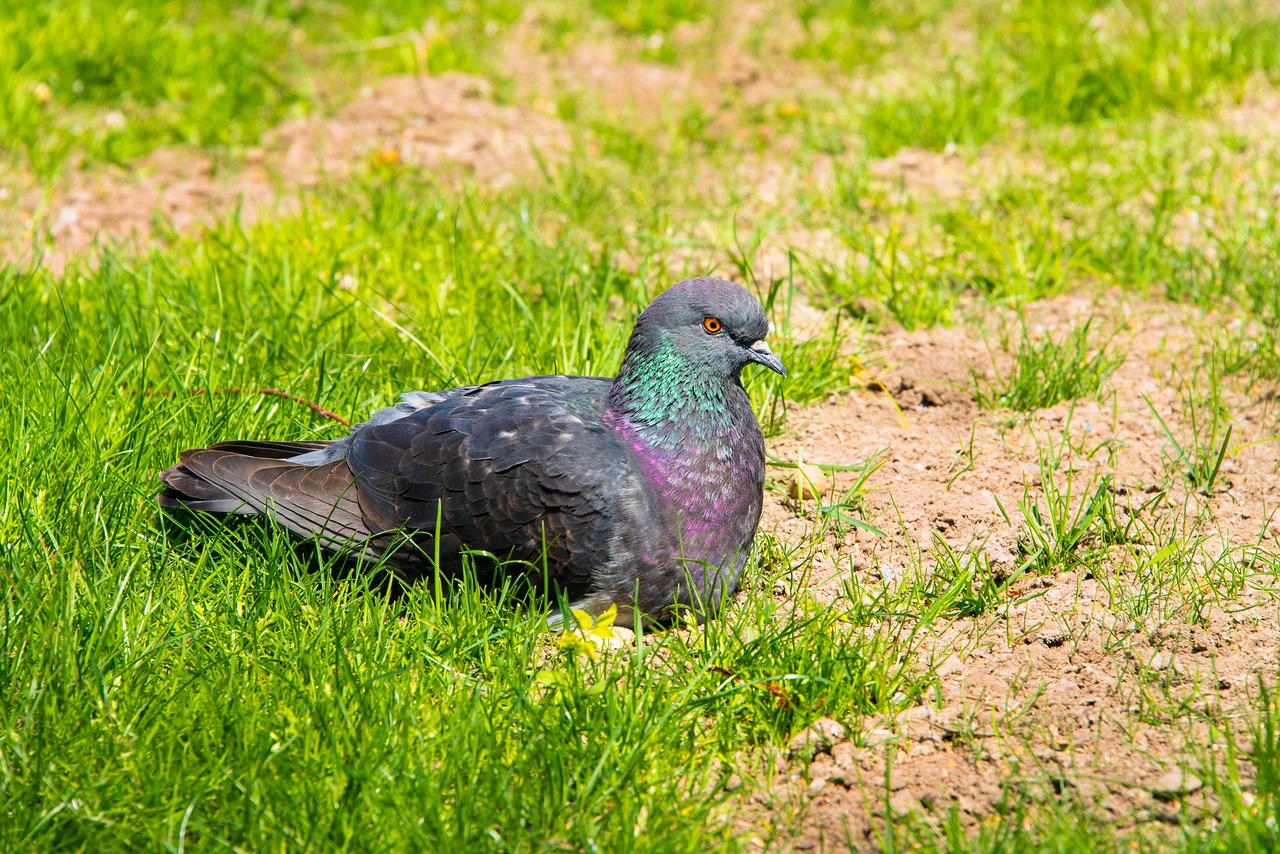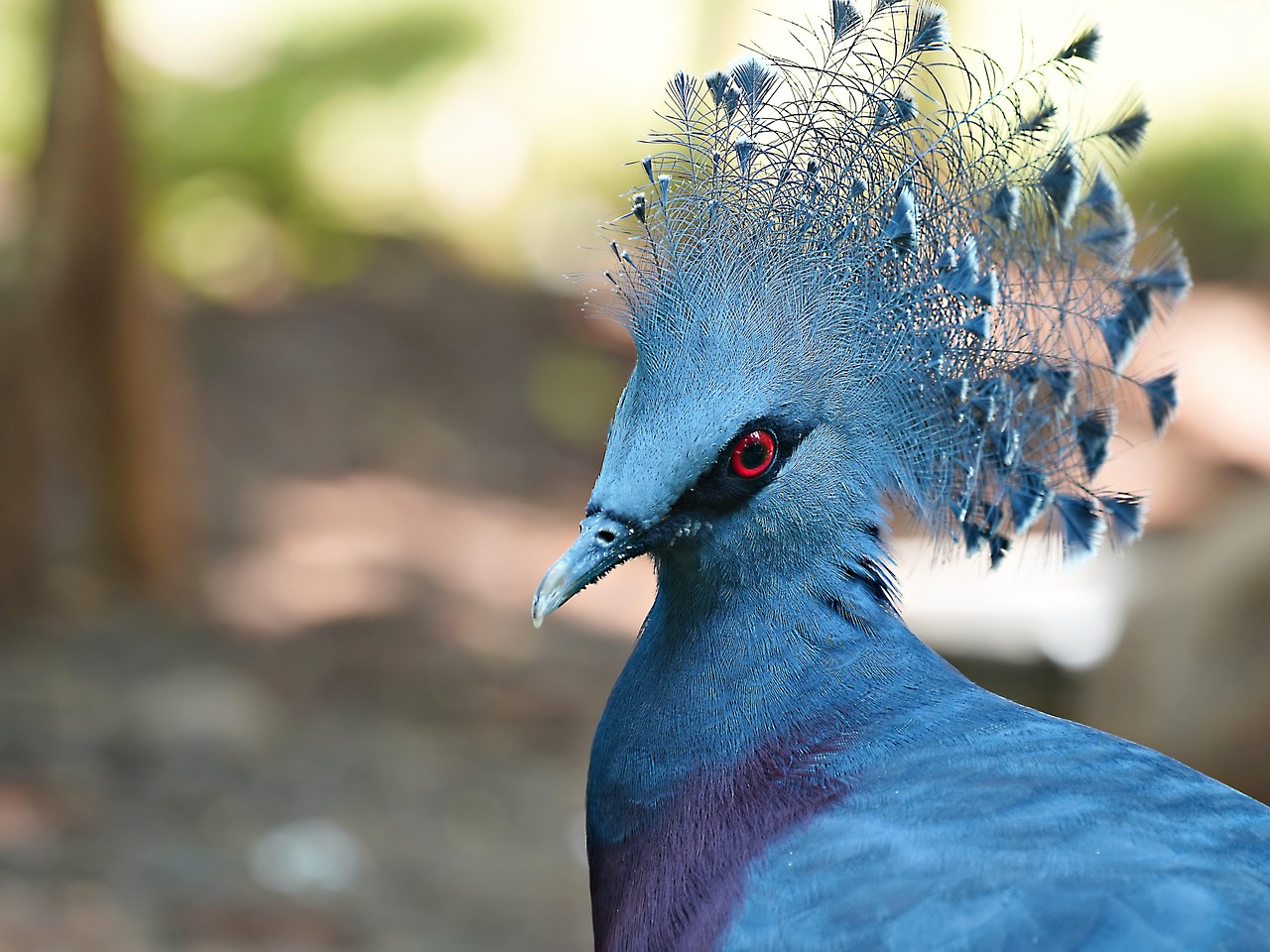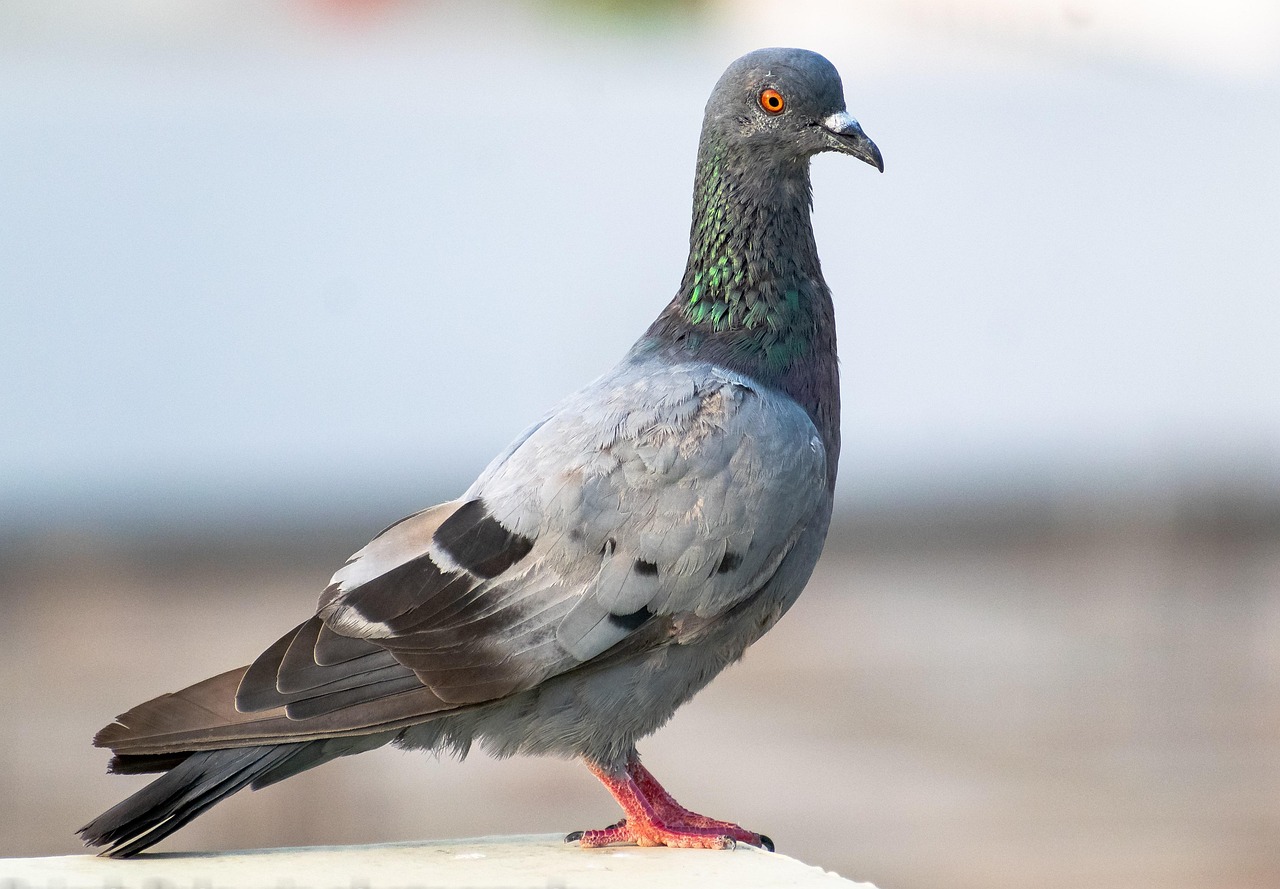
In the world of pigeon racing, your birds are more than just pets; they are valuable genetic assets, bred for speed, endurance, and lineage. Protecting these champions from loss is crucial for any serious enthusiast. This guide explores how modern technology, like GPS for pigeon safety, combined with strategic measures such as racing pigeon insurance, can safeguard your flock and ensure their legacy thrives.
Understanding the Value of Your Pigeon Flock
Racing pigeons represent a significant investment of time, money, and passion. Each bird carries unique genetic traits honed over generations, making them irreplaceable in many cases. Losses due to predators, accidents, or disorientation during races can devastate a breeder's efforts and financial stability. Recognizing this value is the first step toward effective pigeon protection, motivating owners to adopt proactive strategies that go beyond traditional care.
The Genetic Legacy of Racing Pigeons
Pigeon breeding is an art and science focused on enhancing desirable traits such as homing instinct, speed, and resilience. These genetic assets are built through selective pairing and meticulous record-keeping, often spanning decades. When a champion pigeon is lost, it's not just a single bird gone; it's a potential lineage cut short, affecting future breeding programs and competitive edge. Protecting these genetics requires a holistic approach that addresses both physical safety and financial risks.
Many enthusiasts invest heavily in top-tier bloodlines, with prices for proven racers reaching thousands of dollars. This financial aspect underscores why pigeon protection isn't just about sentiment—it's a practical necessity. By valuing your flock as genetic assets, you can better justify investments in safety technologies and insurance, ensuring that your breeding goals remain on track even in the face of unexpected setbacks.
Common Threats to Pigeon Safety
Pigeons face numerous hazards that can lead to loss or injury. Predators like hawks, cats, and foxes pose a constant threat, especially during training flights or when birds are released in unfamiliar areas. Weather conditions, such as storms or extreme heat, can disorient pigeons, causing them to stray off course. Additionally, human-related risks include theft, collisions with structures, and exposure to toxins. Understanding these threats is essential for implementing effective pigeon protection measures.
During races, pigeons are particularly vulnerable as they navigate long distances, often over challenging terrain. Disorientation can occur due to electromagnetic interference or poor visibility, leading to birds failing to return home. This not only results in the loss of valuable genetics but also impacts race outcomes and breeder reputations. By identifying these common threats, owners can tailor their safety strategies, such as using GPS for pigeon safety to monitor routes and mitigate risks in real-time.
Leveraging GPS Technology for Enhanced Safety
GPS technology has revolutionized pigeon protection by providing real-time tracking and data insights. Devices attached to pigeons transmit location information, allowing owners to monitor their birds' movements during flights and races. This not only helps in recovering lost pigeons but also optimizes training routines and identifies potential hazards along flight paths. Investing in GPS for pigeon safety is a game-changer for serious breeders looking to minimize losses.
How GPS Trackers Work for Pigeons
GPS trackers designed for pigeons are lightweight, durable devices that attach to a bird's leg or back using specialized harnesses. They use satellite signals to pinpoint location, with data transmitted to a mobile app or computer for real-time monitoring. Advanced models offer features like geofencing, which alerts owners if a pigeon strays beyond a predefined area, and historical route analysis to assess performance and identify patterns. This technology empowers breeders with actionable insights for better pigeon protection.
The benefits of GPS for pigeon safety extend beyond mere tracking. By analyzing flight data, owners can detect signs of fatigue or disorientation early, allowing for timely interventions. For example, if a pigeon deviates from its usual route during a race, an alert can prompt the owner to check weather conditions or potential obstacles. This proactive approach reduces the risk of permanent loss and enhances overall flock management, making GPS an indispensable tool in modern pigeon racing.
Implementing GPS in Your Pigeon Routine
To effectively use GPS for pigeon safety, start by selecting a reliable tracker that suits your birds' size and flight habits. Ensure proper fitting to avoid discomfort or interference with flight. Integrate GPS data into your training sessions by monitoring routes and speeds, adjusting exercises based on performance metrics. During races, use real-time tracking to follow your pigeons' progress and coordinate recovery efforts if needed, significantly boosting your pigeon protection strategy.
Regular maintenance of GPS devices is crucial for optimal performance. Check batteries before each use and update software to access the latest features. Train your pigeons to acclimate to the trackers gradually, minimizing stress. By making GPS a consistent part of your routine, you not only safeguard individual birds but also gather valuable data to improve breeding and racing outcomes. This technological edge can set you apart in competitive circles, ensuring your genetic assets remain protected.
The Role of Insurance in Pigeon Protection
While technology like GPS for pigeon safety addresses physical risks, racing pigeon insurance provides financial security against losses. Insurance policies can cover theft, accidents, death, or disappearance of valuable birds, offering peace of mind and stability for breeders. In an unpredictable sport, having insurance ensures that your investment in genetic assets is protected, allowing you to focus on breeding and competition without fear of devastating financial setbacks.
Types of Racing Pigeon Insurance Coverage
Racing pigeon insurance typically includes several key coverage options. Mortality insurance compensates for the death of a pigeon due to illness, injury, or accident, often based on the bird's appraised value. Theft and straying coverage protects against loss from criminal activities or birds failing to return home. Some policies also offer liability insurance for incidents involving third parties, such as property damage caused by pigeons. Understanding these options helps tailor a plan for comprehensive pigeon protection.
When selecting racing pigeon insurance, consider factors like coverage limits, deductibles, and exclusions. Policies may vary based on the pigeon's age, breeding history, and competitive record. It's advisable to work with insurers specializing in avian or livestock coverage, as they understand the unique risks in pigeon racing. By securing appropriate insurance, you mitigate financial losses and ensure that your genetic assets are safeguarded, complementing technological measures like GPS for pigeon safety.
Integrating Insurance with Safety Measures
Combining racing pigeon insurance with proactive safety strategies creates a robust protection framework. Use GPS data to demonstrate responsible ownership to insurers, potentially lowering premiums or enhancing coverage terms. For instance, if GPS tracking shows consistent safe flight patterns, it might reduce the risk profile for your flock. Similarly, insurance can fund recovery efforts or replacements if a pigeon is lost, ensuring that your breeding program continues uninterrupted.
To maximize pigeon protection, document your birds' values and maintain records of GPS usage and safety protocols. This not only streamlines insurance claims but also reinforces your commitment to preserving genetic assets. Regularly review and update your insurance policy as your flock grows or changes in value. By integrating insurance with technologies like GPS, you create a holistic approach that addresses both immediate risks and long-term financial stability, essential for thriving in pigeon racing.
Best Practices for Comprehensive Pigeon Care
Beyond technology and insurance, effective pigeon protection involves daily care and management practices. A healthy, well-trained pigeon is less likely to succumb to threats, making routine care a cornerstone of safety. Focus on nutrition, housing, and training to build resilience in your flock, reducing reliance on reactive measures and enhancing overall pigeon protection.
Nutrition and Health Management
Proper nutrition is vital for maintaining pigeon health and performance. Feed a balanced diet rich in proteins, vitamins, and minerals to support energy levels and immune function. Regular health checks by a veterinarian can prevent diseases that might weaken birds or cause losses. Implement biosecurity measures, such as quarantine for new birds, to avoid introducing pathogens. Healthy pigeons are better equipped to handle the stresses of racing and environmental hazards, bolstering your pigeon protection efforts.
Supplement nutrition with clean water and occasional treats to keep pigeons motivated. Monitor weight and condition to adjust diets as needed, especially during breeding or racing seasons. By prioritizing health, you not only improve safety but also enhance genetic quality, as robust birds are more likely to produce strong offspring. This proactive care complements technological tools like GPS for pigeon safety, creating a foundation for long-term success in pigeon racing.
Training and Environmental Safety
Structured training builds pigeons' homing instincts and physical endurance, reducing the risk of disorientation. Start with short, familiar flights and gradually increase distance, using GPS for pigeon safety to track progress and identify issues. Ensure training areas are free from predators and hazards, such as power lines or heavy traffic. By simulating race conditions safely, you prepare pigeons for challenges while minimizing exposure to dangers.
Environmental safety extends to loft design and location. Build secure lofts with protection against predators and extreme weather. Use lighting and ventilation to create a comfortable habitat that reduces stress. Regularly inspect facilities for potential risks, like loose wires or toxic materials. These practices, combined with racing pigeon insurance, form a comprehensive safety net that protects your genetic assets from both everyday and exceptional threats.
Conclusion
Protecting your pigeon flock requires a multi-faceted approach that blends technology, financial planning, and diligent care. By leveraging GPS for pigeon safety, you gain real-time insights to prevent losses and optimize performance. Racing pigeon insurance provides a safety net against unforeseen events, ensuring your genetic assets are financially secure. Together, these strategies empower breeders to focus on what matters most: nurturing champion lineages and enjoying the sport. For those seeking integrated solutions, consider exploring tools like Ghawy – Pigeon Manager (غاوي – إدارة الحمام) to streamline your protection efforts and enhance flock management.