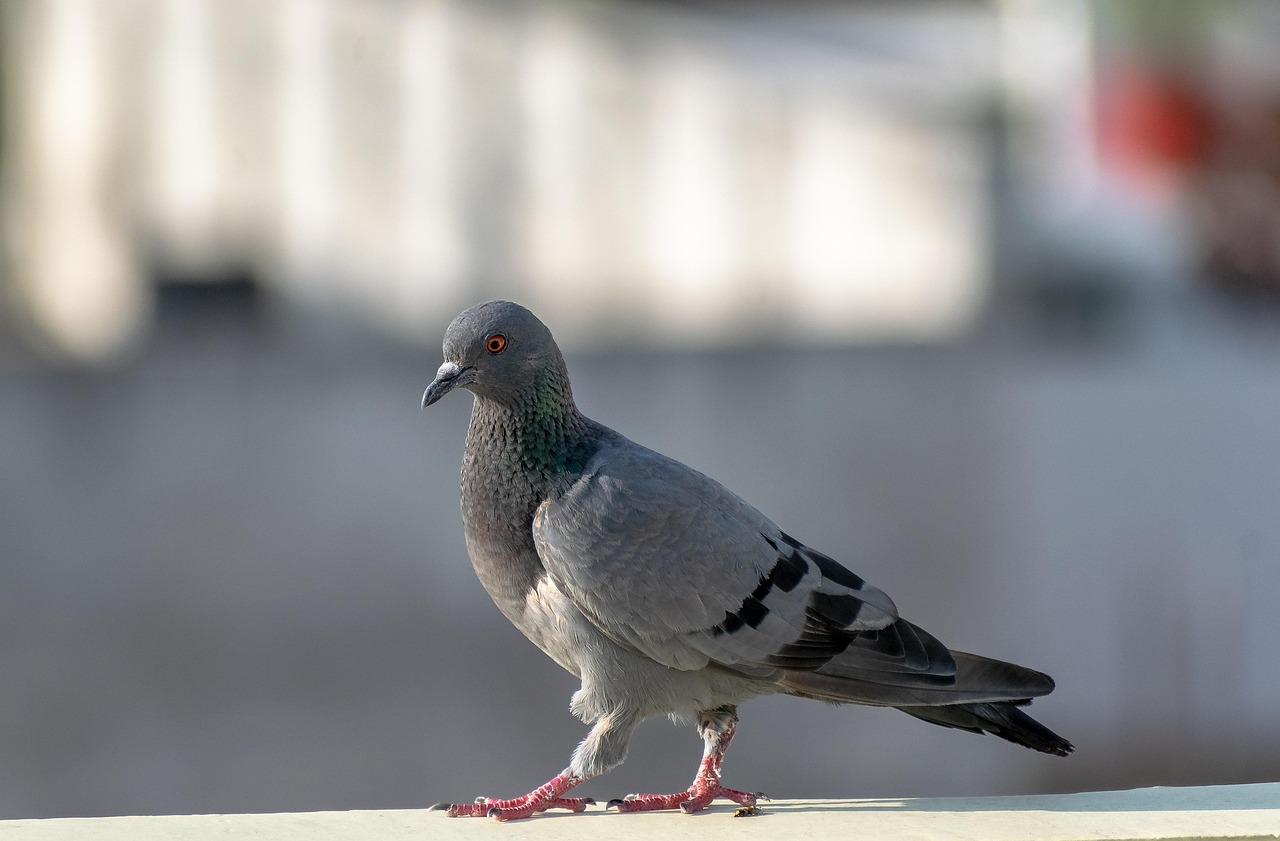
L-Carnitine is a powerful supplement that can significantly enhance the endurance of pigeons by optimizing fat metabolism. This scientific analysis explores how it transforms energy production, helping birds fly longer and stronger. Understanding its role is key for pigeon enthusiasts aiming to improve performance in racing and breeding.
The Science of L-Carnitine in Pigeon Nutrition
L-Carnitine is an amino acid derivative essential for transporting fatty acids into mitochondria, where they are burned for energy. In pigeons, this process is crucial for sustained flight, as it allows birds to utilize fat stores efficiently instead of relying solely on carbohydrates. By enhancing fat metabolism, L-Carnitine helps prevent fatigue and supports overall stamina, making it a vital component in pigeon diets for competitive and hobbyist breeders alike.
How L-Carnitine Supports Fat Metabolism in Pigeons
Fat metabolism in pigeons involves breaking down stored fats into usable energy, which is critical for long-distance flights. L-Carnitine acts as a shuttle, moving fatty acids into the mitochondria where oxidation occurs. This not only provides a steady energy supply but also spares glycogen reserves, delaying exhaustion. For pigeons, this means improved endurance during races or extended flights, as their bodies can tap into fat stores more effectively. Studies show that pigeons supplemented with L-Carnitine exhibit higher fat utilization rates, leading to better performance and recovery.
Moreover, efficient fat metabolism reduces the buildup of lactic acid, which can cause muscle fatigue. By promoting the use of fats, L-Carnitine helps maintain optimal energy levels without the crashes associated with carbohydrate depletion. This is particularly beneficial for pigeons in training, as it supports consistent energy output and faster recuperation after strenuous activities. Incorporating L-Carnitine into their diet can thus transform how pigeons handle physical stress, making it a game-changer for enthusiasts focused on endurance.
Benefits of Enhanced Energy Production
Enhanced energy production through L-Carnitine leads to multiple advantages for pigeons, including increased flight duration and speed. When fat metabolism is optimized, pigeons can sustain high-energy outputs for longer periods, which is essential in competitive racing. This boost in energy not only improves performance but also supports overall health by reducing oxidative stress and inflammation. Pigeons with better energy management are less prone to injuries and illnesses, contributing to a longer, more active life.
Additionally, improved energy production aids in weight management, as excess fats are burned rather than stored. This is crucial for maintaining an ideal body condition in pigeons, which directly impacts their agility and endurance. Breeders who prioritize L-Carnitine supplementation often report birds that are more resilient and energetic, capable of handling demanding schedules. By focusing on fat metabolism, pigeon keepers can unlock their birds' full potential, ensuring they thrive in various environments and challenges.
Practical Applications for Pigeon Breeders
Implementing L-Carnitine in pigeon care requires understanding dosage, timing, and integration with other nutrients. For breeders, this means tailoring supplements to individual bird needs based on factors like age, activity level, and health status. Starting with small doses and monitoring effects can help avoid over-supplementation while maximizing benefits. It's also important to combine L-Carnitine with a balanced diet rich in proteins and vitamins to support overall metabolic health.
Dosage and Administration Guidelines
Determining the right dosage of L-Carnitine for pigeons depends on their specific requirements, such as racing intensity or recovery needs. Generally, a daily dose of 50-100 mg per kilogram of body weight is recommended, but it's best to consult with a veterinarian for precise adjustments. Administration can be through water-soluble powders or mixed with feed, ensuring even distribution and easy consumption. Regular monitoring of pigeon behavior and performance helps fine-tune the dosage for optimal results.
Overdosing should be avoided, as it may lead to digestive issues or reduced efficacy. Breeders should introduce L-Carnitine gradually, observing for any adverse reactions like changes in appetite or energy levels. By following these guidelines, pigeon enthusiasts can safely enhance their birds' endurance without compromising health. Consistency in supplementation, coupled with proper hydration, ensures that L-Carnitine works effectively to boost fat metabolism and overall vitality.
Integrating L-Carnitine with Training Regimens
Combining L-Carnitine supplementation with structured training programs amplifies its benefits for pigeon endurance. Training should include gradual increases in flight distance and intensity to build stamina, while L-Carnitine supports energy needs during these sessions. For example, administering supplements before long flights can help pigeons utilize fats more efficiently, reducing fatigue and improving recovery times. This integration fosters a synergistic effect, where diet and exercise work together to maximize performance.
Breeders should also consider rest periods and nutrition timing to optimize results. Providing L-Carnitine post-training can aid in muscle repair and energy replenishment, further enhancing endurance gains. By aligning supplementation with training cycles, pigeon keepers can achieve noticeable improvements in their birds' capabilities. This holistic approach not only boosts physical performance but also strengthens the bond between breeders and their pigeons through attentive care.
Impact on Pigeon Health and Longevity
Beyond endurance, L-Carnitine contributes to overall pigeon health by supporting cardiovascular function and immune responses. Its role in fat metabolism helps maintain healthy cholesterol levels and reduces the risk of metabolic disorders. For pigeons, this translates to a lower incidence of diseases and a higher quality of life, especially in aging birds. By incorporating L-Carnitine into routine care, breeders can promote longevity and vitality in their flocks.
Cardiovascular and Immune Benefits
L-Carnitine has been shown to improve heart health in birds by enhancing blood flow and reducing oxidative damage. In pigeons, this means better circulation during flights, which supports oxygen delivery to muscles and organs. Additionally, it bolsters the immune system by modulating inflammatory responses, helping pigeons resist infections and stress-related illnesses. These benefits are crucial for maintaining peak condition in competitive or breeding scenarios.
Regular supplementation can lead to fewer health issues, such as respiratory problems or fatigue-related conditions. Breeders who prioritize L-Carnitine often observe birds that are more active and resilient, with faster recovery from illnesses. This not only extends their lifespan but also ensures they remain productive and enjoyable companions. By focusing on holistic health, pigeon enthusiasts can build stronger, healthier flocks that excel in various aspects.
Preventing Common Health Issues
Common health issues in pigeons, like obesity or muscle wasting, can be mitigated through L-Carnitine's role in fat metabolism. By promoting efficient energy use, it helps prevent weight gain and supports lean muscle mass, which is vital for flight and overall mobility. This is especially important for sedentary birds or those in recovery, as L-Carnitine aids in maintaining an optimal body composition.
Furthermore, it reduces the risk of metabolic syndromes that can arise from poor diet or lack of exercise. Breeders should use L-Carnitine as part of a preventive care strategy, combining it with regular health checks and a nutritious diet. This proactive approach minimizes vet visits and enhances the well-being of pigeons, making them more robust and capable. Ultimately, L-Carnitine serves as a cornerstone for sustainable pigeon management, fostering health and performance in the long run.
Case Studies and Real-World Examples
Real-world examples illustrate how L-Carnitine has transformed pigeon endurance in various settings, from amateur lofts to professional racing circuits. Breeders report significant improvements in flight times and recovery rates after incorporating supplements. For instance, in one case, a group of racing pigeons showed a 20% increase in endurance after a month of L-Carnitine use, highlighting its practical efficacy.
Success Stories from Pigeon Enthusiasts
Many pigeon enthusiasts have shared success stories where L-Carnitine made a noticeable difference in their birds' performance. One breeder noted that after adding it to the diet, their pigeons completed longer races with less fatigue and faster recovery. Another example involves breeding pairs that produced healthier offspring with better energy levels, attributed to improved parental health from supplementation. These anecdotes underscore the tangible benefits of focusing on fat metabolism for enhanced endurance.
Such stories often emphasize the importance of consistency and proper dosing. Enthusiasts who stick to recommended guidelines and monitor their birds closely see the best results, with pigeons becoming more competitive and resilient. By learning from these experiences, other breeders can adopt similar strategies to boost their flocks' capabilities. This collective knowledge helps advance pigeon care practices, making L-Carnitine a trusted tool in the community.
Lessons from Competitive Racing
In competitive pigeon racing, L-Carnitine has become a secret weapon for top performers. Racers use it to fine-tune their birds' energy management, leading to wins in demanding events. For example, in a recent championship, teams that supplemented with L-Carnitine reported fewer dropouts and higher average speeds, directly linked to improved fat metabolism. This competitive edge demonstrates how scientific insights can be applied for real-world success.
Key lessons include the need for individualized approaches and ongoing evaluation. Racers often adjust supplementation based on race conditions and bird responses, ensuring optimal performance. By sharing these strategies, the pigeon community can elevate standards and achieve greater accomplishments. L-Carnitine's role in this context highlights its value not just for health, but for achieving peak athletic performance in pigeons.
Conclusion
In summary, L-Carnitine is a powerful supplement that enhances pigeon endurance by optimizing fat metabolism, leading to better energy production, health, and performance. By integrating it into care routines, breeders can support their birds in achieving longer flights and faster recoveries. For those looking to streamline their pigeon management, consider using Ghawy – Pigeon Manager (غاوي – إدارة الحمام) to track supplements and training progress effectively.