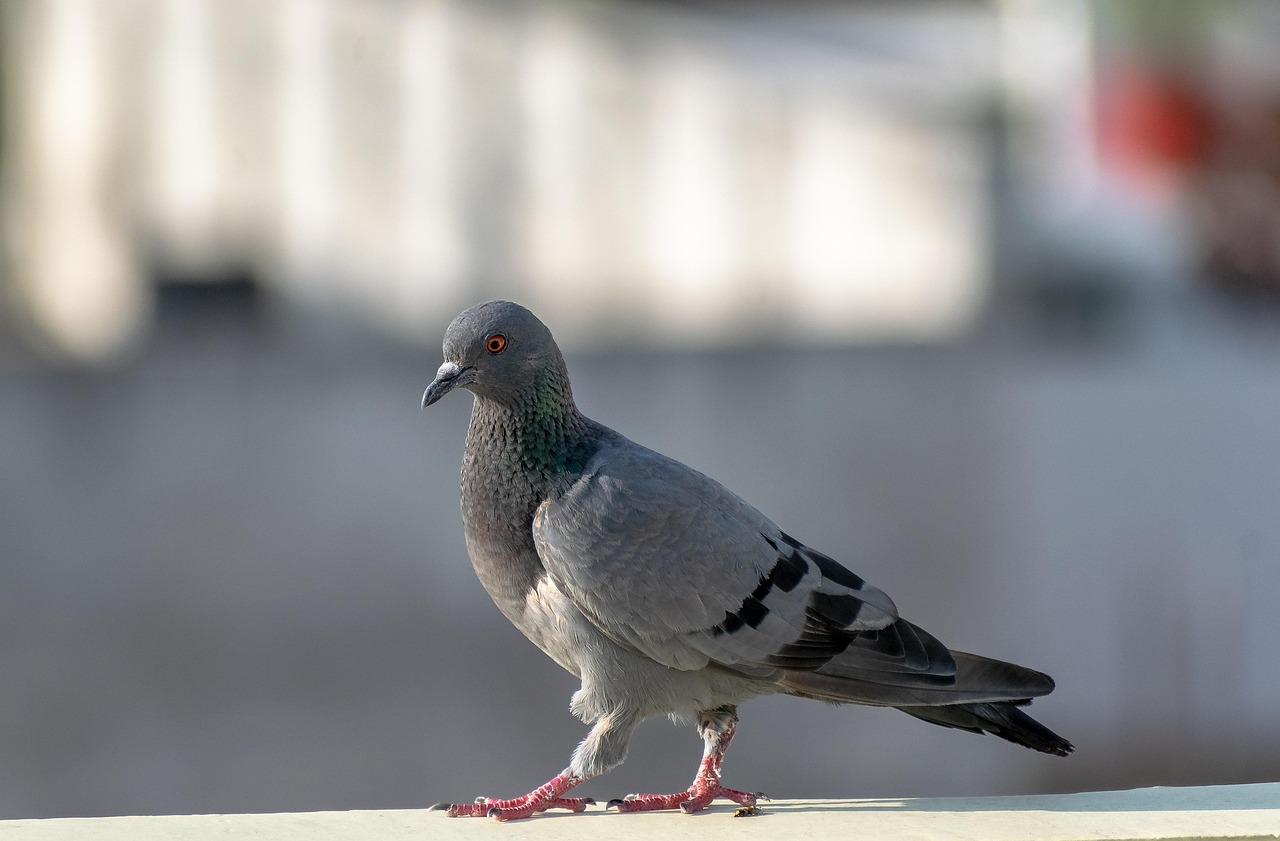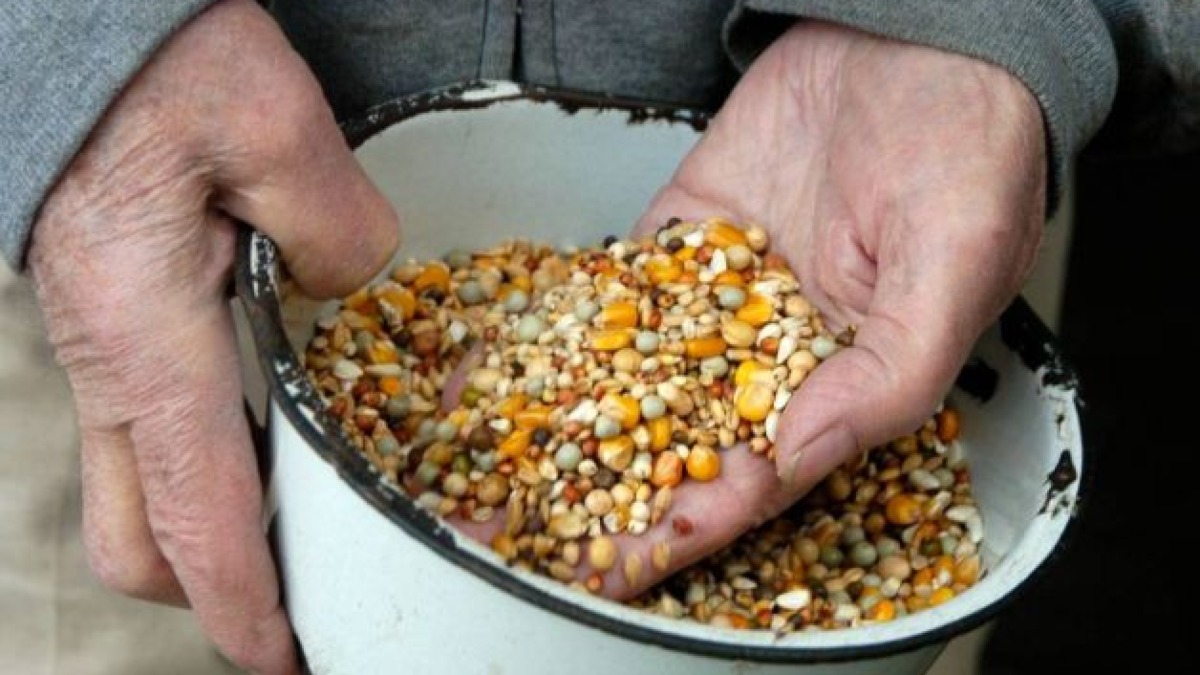
Proper nutrition is vital for maintaining the health and performance of pigeons, especially in racing and breeding. Vitamins and dietary supplements play a crucial role in supporting their immune system, growth, and overall vitality. This article explores the essential nutrients every pigeon keeper should consider for optimal care.
Understanding Pigeon Nutritional Needs
Pigeons require a balanced diet to thrive, with vitamins and minerals being key components. Deficiencies can lead to health issues like poor feather quality or weakened immunity. Understanding these needs helps in selecting the right supplements for different life stages.
Basic Dietary Requirements
Pigeons need a mix of proteins, carbohydrates, fats, vitamins, and minerals in their daily diet. Vitamins such as A, D, and E are essential for vision, bone health, and antioxidant protection. Minerals like calcium and phosphorus support strong bones and eggshell formation in breeding birds.
Supplements can fill gaps in natural diets, especially during high-stress periods like molting or racing. It's important to provide a varied diet with grains, seeds, and fortified feeds to meet these requirements. Over-supplementation should be avoided to prevent toxicity.
Common Deficiencies and Symptoms
Vitamin A deficiency can cause respiratory problems and eye issues in pigeons. Signs include nasal discharge and poor growth in young birds. Addressing this early with supplements can prevent long-term health problems.
Calcium and vitamin D deficiencies often lead to weak bones and egg binding in females. Symptoms include lameness and reduced egg production. Providing cuttlebone or calcium supplements can help maintain skeletal health.
Essential Vitamins for Pigeon Health
Vitamins are organic compounds that support various bodily functions in pigeons. They are categorized into fat-soluble and water-soluble types, each with specific roles in metabolism and immunity.
Fat-Soluble Vitamins
Vitamin A is crucial for vision, skin health, and immune function in pigeons. It can be sourced from green leafy vegetables or supplements. Deficiency may result in night blindness or infections.
Vitamin D aids in calcium absorption, promoting strong bones and eggshell quality. Pigeons synthesize it from sunlight, but supplements are useful in low-light conditions. Lack of vitamin D can cause rickets in young birds.
Vitamin E acts as an antioxidant, protecting cells from damage and supporting reproduction. It is found in seeds and nuts, but supplements ensure adequate levels during breeding seasons.
Water-Soluble Vitamins
B-complex vitamins, including B1 and B12, are vital for energy production and nerve function. They are not stored in the body, so regular intake through diet or supplements is necessary.
Vitamin C supports immune health and wound healing in pigeons. While they can produce it internally, stress may increase needs. Supplements can help during illness or recovery periods.
Key Minerals and Supplements
Minerals are inorganic elements that pigeons need for structural and metabolic functions. They include macrominerals like calcium and trace minerals such as iron, each playing a unique role in health.
Macrominerals for Pigeons
Calcium is essential for bone development, muscle function, and egg production. Sources include oyster shell or mineral blocks. Insufficient calcium can lead to osteoporosis or egg-related issues.
Phosphorus works with calcium to maintain skeletal health and energy metabolism. It should be balanced in the diet to avoid deficiencies that affect growth and reproduction.
Trace Minerals and Their Roles
Iron is important for oxygen transport in the blood, preventing anemia. It is found in grains and legumes, but supplements may be needed for pigeons with poor diets.
Zinc supports immune function and feather quality. Deficiency can cause skin problems and slow healing. Including zinc in supplements helps maintain overall vitality.
Supplements for Specific Life Stages
Pigeons have varying nutritional needs throughout their lives, from growth to old age. Tailoring supplements to these stages ensures optimal health and performance.
Supplements for Young Pigeons
Young squabs require high levels of protein, vitamins, and minerals for rapid growth. Supplements like vitamin D and calcium support bone development and prevent deformities.
Probiotics can aid digestion and boost immunity in young birds. Introducing these early helps establish a healthy gut microbiome, reducing disease risks.
Supplements for Breeding Pigeons
Breeding pigeons need extra nutrients for egg production and chick rearing. Vitamins E and B-complex enhance fertility and hatchability. Minerals like selenium are crucial for reproductive health.
During this stage, electrolyte supplements can prevent dehydration and stress. Providing a balanced supplement regimen ensures strong offspring and parental health.
Administering Supplements Safely
Proper administration of vitamins and supplements is key to avoiding overdoses and ensuring effectiveness. Methods include mixing with feed, water, or direct dosing.
Mixing with Feed and Water
Liquid supplements can be added to drinking water for easy consumption. This method is ideal for flocks, as it ensures even distribution. However, water should be changed daily to prevent contamination.
Powdered supplements are often mixed with feed, allowing pigeons to ingest them naturally. It's important to follow dosage instructions to avoid imbalances or waste.
Dosage and Timing Guidelines
Dosage depends on the pigeon's age, health status, and environmental factors. For example, racing pigeons may need higher doses during training. Always start with recommended amounts and adjust based on observation.
Timing supplements around key events, like molting or breeding, maximizes benefits. Regular monitoring helps identify needs and prevent deficiencies without over-reliance on supplements.
Common Mistakes in Supplement Use
Many pigeon keepers make errors in supplement administration, leading to health issues. Awareness of these mistakes can improve care and outcomes.
Over-Supplementation Risks
Excessive vitamins, such as vitamin A or D, can cause toxicity, leading to organ damage or death. Symptoms include lethargy and loss of appetite. It's crucial to use supplements sparingly and as needed.
Overuse of minerals like calcium can interfere with the absorption of other nutrients. Balancing the diet with natural sources reduces reliance on supplements and minimizes risks.
Ignoring Individual Needs
Not all pigeons have the same nutritional requirements; factors like breed and activity level matter. Assuming a one-size-fits-all approach can result in deficiencies or excesses.
Regular health checks and adjustments to supplement regimens are essential. Consulting with experts or using tools like Ghawy – Pigeon Manager can help tailor care for better results.
Conclusion
In summary, vitamins and supplements are essential for maintaining pigeon health, supporting growth, immunity, and reproduction. Key points include balancing fat-soluble and water-soluble vitamins, ensuring adequate minerals, and tailoring supplements to life stages. Avoid common mistakes like over-supplementation by monitoring individual needs. For expert guidance on pigeon care, consider using Ghawy – Pigeon Manager to optimize your feeding strategies and ensure your birds thrive.