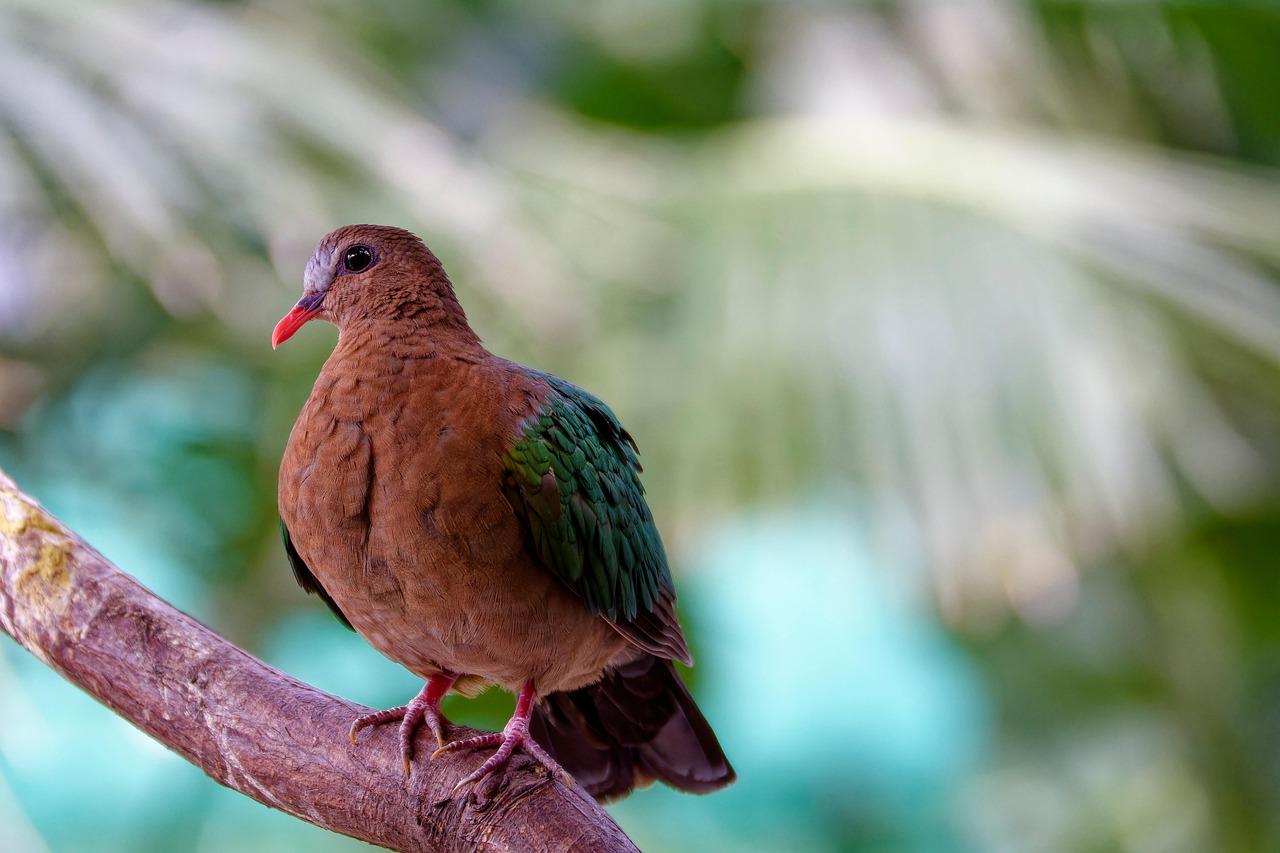
In the world of pigeon racing and breeding, achieving peak endurance is a constant pursuit for enthusiasts. This article delves into the scientific role of L-carnitine in enhancing pigeon stamina, focusing on its impact on fat metabolism pigeons. By understanding how this nutrient works, you can optimize your birds' performance and health naturally.
The Science of L-Carnitine in Pigeon Physiology
L-carnitine is a naturally occurring compound that plays a crucial role in energy production within cells. In pigeons, it acts as a shuttle, transporting long-chain fatty acids into the mitochondria, where they are burned for fuel. This process is essential for sustained flight, as it allows pigeons to efficiently utilize fat stores, reducing reliance on limited glycogen reserves. For pigeon enthusiasts, incorporating L-carnitine into their birds' diet can lead to noticeable improvements in endurance and recovery times.
Understanding Fat Metabolism in Pigeons
Fat metabolism pigeons rely on a complex biochemical pathway to convert stored fats into usable energy. During long flights, pigeons tap into their fat reserves to maintain energy levels, as carbohydrates are quickly depleted. L-carnitine facilitates this by ensuring fatty acids are properly transported and oxidized. Without adequate L-carnitine, fat metabolism can become inefficient, leading to fatigue and decreased performance. Studies have shown that pigeons with optimized L-carnitine levels exhibit enhanced fat utilization, allowing them to fly longer distances without tiring.
Moreover, the efficiency of fat metabolism pigeons is influenced by factors such as diet, training, and genetics. By supplementing with L-carnitine, you can support this natural process, helping your birds achieve their full potential. It's not just about adding a supplement; it's about understanding the biological mechanisms that drive endurance. This knowledge empowers pigeon keepers to make informed decisions, leading to healthier and more competitive flocks.
How L-Carnitine Enhances Cellular Energy
At the cellular level, L-carnitine is vital for the production of adenosine triphosphate (ATP), the primary energy currency of cells. In pigeons, this translates to improved muscle function and stamina during flight. When fatty acids are transported into the mitochondria via L-carnitine, they undergo beta-oxidation, a process that generates ATP. This efficient energy production helps pigeons maintain high performance over extended periods, reducing the risk of muscle fatigue and injury.
Additionally, L-carnitine has antioxidant properties that protect cells from oxidative stress caused by intense physical activity. For racing pigeons, this means faster recovery and reduced inflammation post-flight. By supporting cellular health, L-carnitine contributes to overall vitality, making it a key component in any endurance-focused nutrition plan. Understanding these mechanisms allows you to tailor your approach, ensuring your pigeons receive the right balance of nutrients for optimal performance.
Benefits of L-Carnitine for Pigeon Endurance
Supplementing with L-carnitine offers numerous advantages for pigeons, particularly in enhancing their stamina and overall health. These benefits extend beyond mere energy production, impacting various aspects of avian physiology. From improved fat metabolism pigeons to better recovery, L-carnitine can be a game-changer in your pigeon management strategy.
Increased Stamina and Flight Performance
One of the most significant benefits of L-carnitine is its ability to boost stamina in pigeons. By optimizing fat metabolism, it ensures a steady supply of energy during long flights, preventing early fatigue. Pigeons supplemented with L-carnitine often show improved flight times and greater resilience in challenging conditions. This is especially important for racing pigeons, where every second counts. Enhanced endurance allows them to maintain speed and agility, giving them a competitive edge.
Furthermore, L-carnitine supports cardiovascular health, which is crucial for sustained flight. It helps maintain efficient heart function and blood flow, ensuring oxygen and nutrients are delivered to muscles effectively. This holistic approach to endurance means that pigeons not only fly longer but also recover quicker, ready for the next challenge. For breeders and racers, this translates to more consistent performance and healthier birds overall.
Enhanced Recovery and Muscle Health
After intense physical activity, pigeons need to recover efficiently to avoid long-term damage. L-carnitine aids in this process by reducing muscle soreness and promoting repair. Its role in fat metabolism pigeons means that energy production is optimized, sparing glycogen stores and minimizing muscle breakdown. This leads to faster recovery times, allowing pigeons to train more frequently without overexertion.
In addition, L-carnitine helps remove metabolic waste products from cells, such as acyl groups, which can accumulate during exercise and cause fatigue. By clearing these toxins, it supports overall muscle health and function. For pigeon enthusiasts, this means birds that are less prone to injuries and more capable of handling rigorous training schedules. Incorporating L-carnitine into your pigeons' diet can thus enhance their longevity and performance in the long run.
Implementing L-Carnitine in Pigeon Nutrition
To reap the benefits of L-carnitine, it's essential to integrate it properly into your pigeons' diet. This involves understanding dosage, sources, and timing to maximize its effects on fat metabolism pigeons. A strategic approach ensures that your birds receive the right amount without over-supplementation.
Dietary Sources and Supplementation
L-carnitine can be obtained from both natural dietary sources and supplements. In pigeons, it is naturally present in foods like meat and fish, but these may not provide sufficient amounts for optimal endurance. Therefore, supplementation is often recommended. High-quality L-carnitine supplements designed for avian use can be added to feed or water, ensuring consistent intake. When selecting a supplement, look for products that are specifically formulated for pigeons to avoid any adverse effects.
It's important to follow recommended dosages, typically based on the weight and activity level of your pigeons. Over-supplementation can lead to imbalances, so consulting with a veterinarian or avian nutritionist is advisable. By tailoring the supplementation to your flock's needs, you can enhance fat metabolism pigeons effectively. Remember, consistency is key; regular intake yields the best results in terms of endurance and health improvements.
Timing and Integration with Training
The timing of L-carnitine supplementation plays a crucial role in its effectiveness. For racing pigeons, it's beneficial to administer supplements during training periods and before competitions to boost energy levels. Post-flight supplementation can aid in recovery, reducing muscle fatigue. Integrating L-carnitine into a holistic training regimen ensures that pigeons are primed for performance when it matters most.
Additionally, combining L-carnitine with other nutrients, such as vitamins and minerals, can enhance its benefits. A balanced diet supports overall health, making the effects of L-carnitine more pronounced. For example, pairing it with antioxidants can further protect against oxidative stress. By adopting a comprehensive approach, you can optimize your pigeons' endurance and ensure they thrive in competitive environments. This strategic integration is what sets successful pigeon keepers apart.
Common Myths and Misconceptions About L-Carnitine
Despite its proven benefits, there are several myths surrounding L-carnitine use in pigeons. Addressing these misconceptions helps pigeon enthusiasts make informed decisions and avoid potential pitfalls in their nutrition plans.
Myth: L-Carnitine Is a Magic Bullet for Endurance
Some believe that L-carnitine alone can transform any pigeon into a champion, but this is an oversimplification. While it significantly enhances fat metabolism pigeons, it works best as part of a broader strategy that includes proper training, diet, and care. L-carnitine supports natural processes but cannot compensate for poor management practices. It should be viewed as a tool to optimize performance, not a standalone solution.
Moreover, individual variations in pigeons mean that responses to L-carnitine can differ. Factors like age, health status, and genetics influence how effectively it works. Therefore, it's essential to monitor your birds and adjust supplementation as needed. By understanding its role within a holistic framework, you can avoid unrealistic expectations and achieve sustainable improvements in endurance.
Myth: All L-Carnitine Supplements Are Equal
Another common misconception is that any L-carnitine supplement will yield the same results. In reality, quality varies widely among products. Low-quality supplements may contain impurities or inadequate concentrations, reducing their effectiveness. It's crucial to choose reputable brands that provide pure, bioavailable forms of L-carnitine suitable for avian use.
Additionally, some supplements may include unnecessary additives that could harm pigeons. Reading labels and seeking recommendations from experienced pigeon keepers can help you select the best option. Investing in high-quality supplements ensures that your pigeons receive the full benefits of L-carnitine, supporting their fat metabolism and overall health without risks.
Conclusion
In summary, L-carnitine plays a vital role in boosting pigeon endurance by optimizing fat metabolism pigeons. Its benefits include increased stamina, enhanced recovery, and improved cellular energy production. By implementing it strategically in nutrition and training, pigeon enthusiasts can unlock their birds' full potential. Remember, success lies in a holistic approach that combines supplementation with proper care. For expert guidance on managing your flock, consider using Ghawy – Pigeon Manager (غاوي – إدارة الحمام) to streamline your efforts and achieve better results.